English
한국어
English
Español
中文
हिंदी
Home
News
Community
Dictionary
English
한국어
English
Español
中文
हिंदी
View list
Tristo-Uiridis
Stereodon tristo-viridis
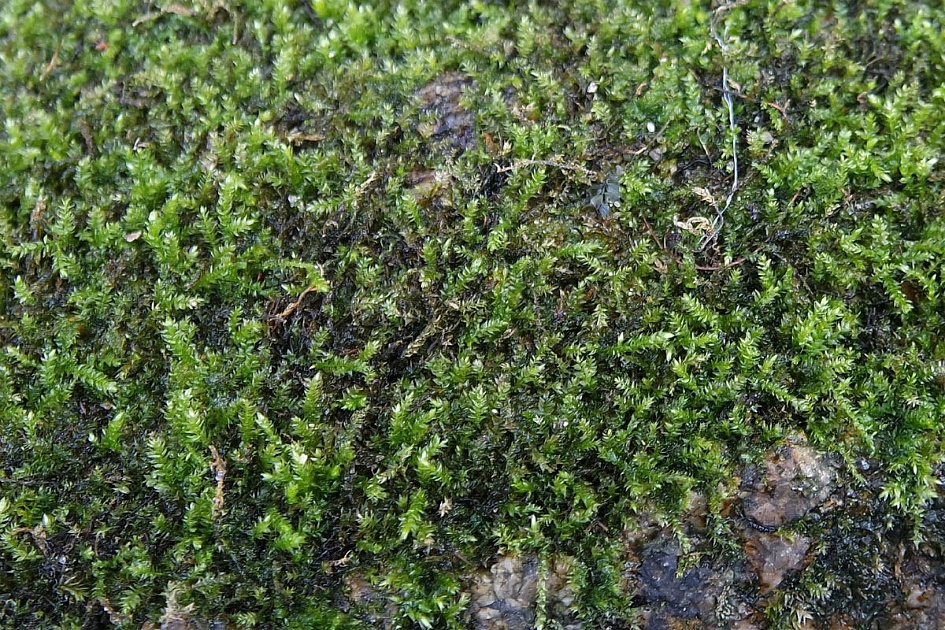
Stereodon tristo-viridis is a type of moss with the following characteristics: Growth Characteristics - Environment: It thrives in humid environments and primarily grows in shaded areas. - Temperature: While it prefers temperate climates, it can survive across a wide temperature range. - Moisture: As a plant requiring sufficient moisture, it does not grow well in dry environments. Reproduction Methods - Spores: Mosses generally reproduce by spores. Spores can be dispersed by wind and germinate under humid conditions. - Asexual Reproduction: Some mosses reproduce by attaching to new locations after branches break off. Cultivation Methods - Soil: Well-drained soil is suitable. Using soil rich in organic matter is recommended. - Light: Avoid direct sunlight; a location receiving indirect light is ideal. - Watering: It requires frequent watering and must be kept moist at all times. - Temperature Control: Avoid extreme temperatures and maintain a constant temperature. Uses in the Garden- Tristohuiridis is ideal as a ground cover plant in the garden. - It can be used to create a natural atmosphere in shaded gardens. - It is also suitable for planting around small waterways or fountains. Important Pests and Control Methods - Diseases: It is generally resistant to diseases, but care must be taken regarding fungal infections caused by overwatering. - Pests: While there are no specific pest issues, they can be prevented through basic garden pest control. - Control Methods: Circulate air frequently, and if necessary, use moss-specific insecticides. At the same time, diseases can be prevented by avoiding overwatering and maintaining proper ventilation. Based on this information, you will be able to properly care for and utilize Tristohuiridis.
Plant Type
Plant Family
Hairy feather moss family
Height
5~10cm
Spread
Colors
sporophyte
Bloom Period
Water Needs
commonly
Exposure
semi-shaded area
Freezing Resistance
-10°C
Hambak
Stephania japonica
Hastiles
Stereodon hastilis