English
한국어
English
Español
中文
हिंदी
Home
News
Community
Dictionary
English
한국어
English
Español
中文
हिंदी
View list
Korean gourd tree
Stewartia koreana
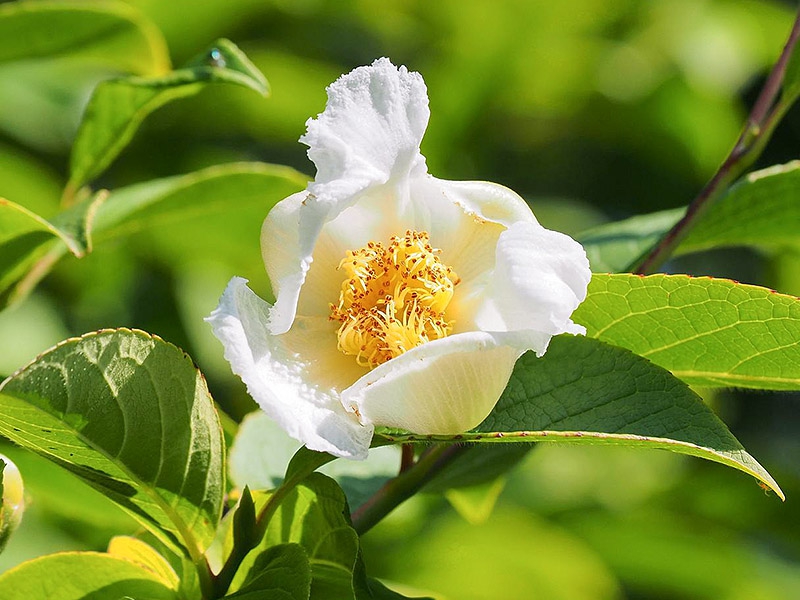
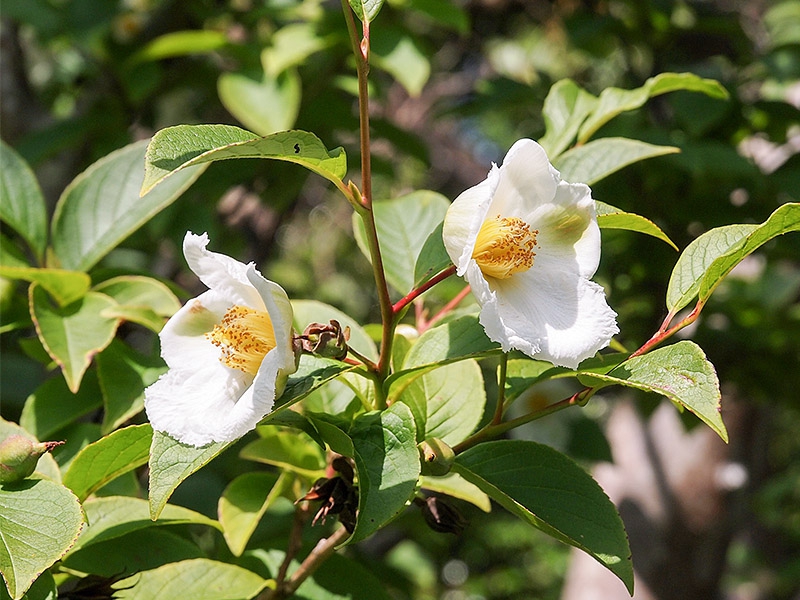
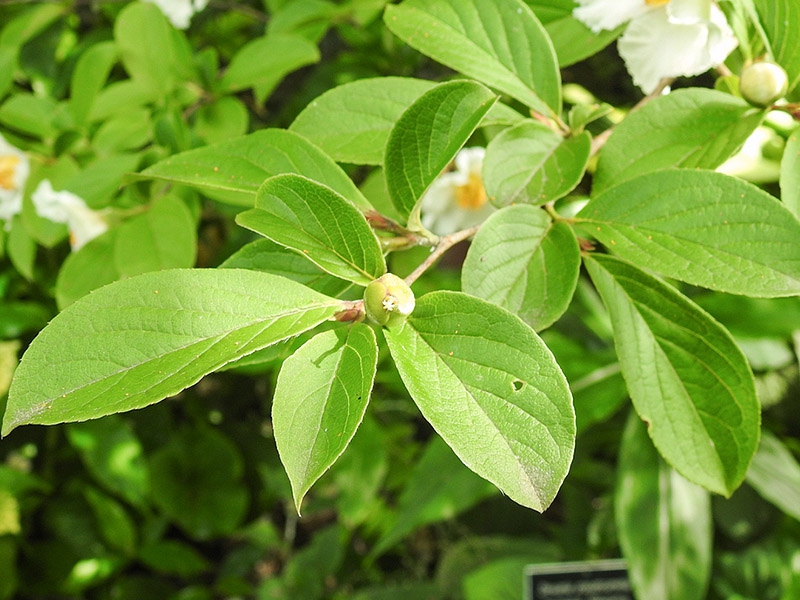
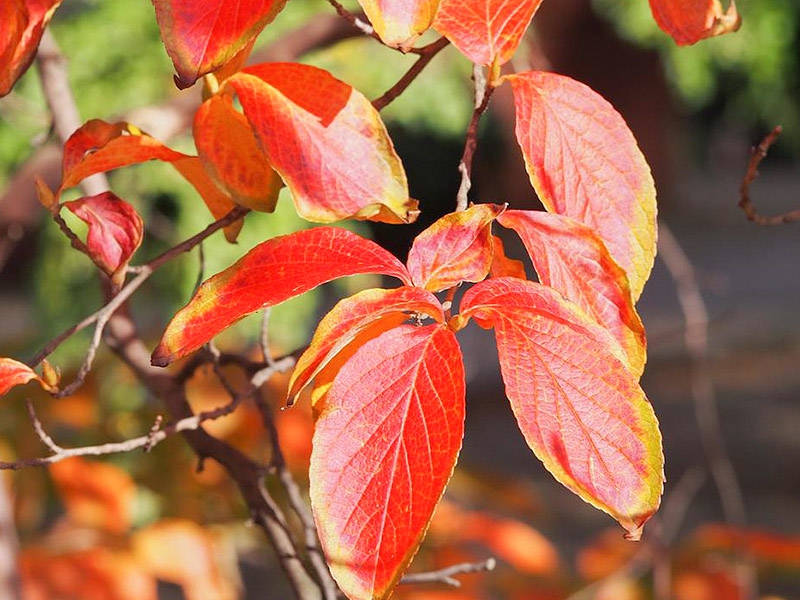
Growth Characteristics of Stewartia koreana Stewartia koreana is a deciduous broad-leaved tree belonging to the Theaceae family, native to Korea, China, Japan, and other regions. It primarily grows in mountainous areas and reaches a height of approximately 10 to 15 meters. It is a popular garden tree due to its beautiful bark and autumn foliage. The trunk is smooth and grayish, gradually peeling over time to form a unique pattern of mixed white and brown. The leaves are alternate and oval-shaped, turning red in the autumn. Beautiful white flowers bloom in the summer; the petals consist of five segments, with a prominent yellow stamen in the center. Propagation Methods Stewartia koreana can be propagated primarily by seeds and cuttings. - Seed Propagation: Seeds harvested from mature fruits require dormancy, so it is recommended to sow them after cold treatment. Generally, seeds harvested in the autumn are sown in the spring. - Propagation by Cuttings: Take cuttings from newly grown branches in summer or early autumn. Using a rooting hormone at this stage increases the rooting rate. Cultivation Methods - Soil: It prefers well-drained, acidic soil and thrives in fertile soil. - Sunlight: It grows well in partial shade to full sun, but growth may be poor in artificial shade. - Water: Proper watering is necessary during the initial growth phase. Since it is susceptible to dryness, it is recommended to maintain moderate moisture. - Fertilizer: Provide nutrients using organic fertilizer in the spring. Uses in Gardens The Japanese Styrax is widely used as a garden tree due to its unique bark, beautiful flowers, and autumn foliage. It is suitable as a focal point for ornamental purposes and can be planted alone or alongside other trees to improve the landscape. Additionally, it adapts well to urban environments, making it suitable for use as a street tree or park tree. Major Pests and Diseases and Control Methods - Diseases: Although the Korean dogwood tree is relatively resistant to diseases, it can contract powdery mildew or leaf blight. To prevent this, maintain proper water management and apply preventive pesticides when necessary. - Pests: Moth larvae can damage the leaves. These pests should be removed immediately upon early detection or controlled using insecticides. You can maintain a healthy Korean dogwood tree through proper care and careful observation. It is important to minimize damage from pests and diseases through regular inspections and maintenance.
Plant Type
Plant Family
Tea tree family
Height
7~15m
Spread
Colors
white
Bloom Period
June~July
Water Needs
commonly
Exposure
Sunny
Freezing Resistance
-30°C
Coryne
Stetsonia coryne
Mountain hornbeam
Stewartia ovata