English
한국어
English
Español
中文
हिंदी
Home
News
Community
Dictionary
English
한국어
English
Español
中文
हिंदी
View list
Haraba Ichu
Stipa ichu
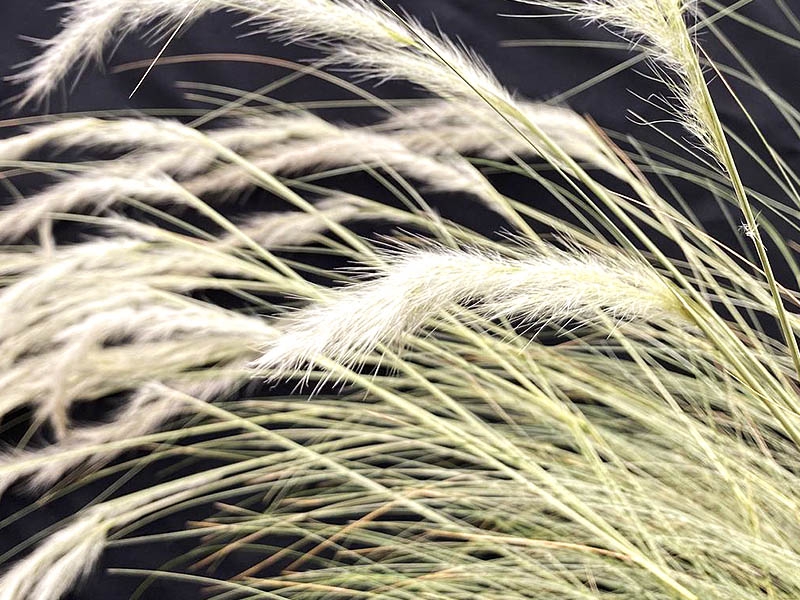
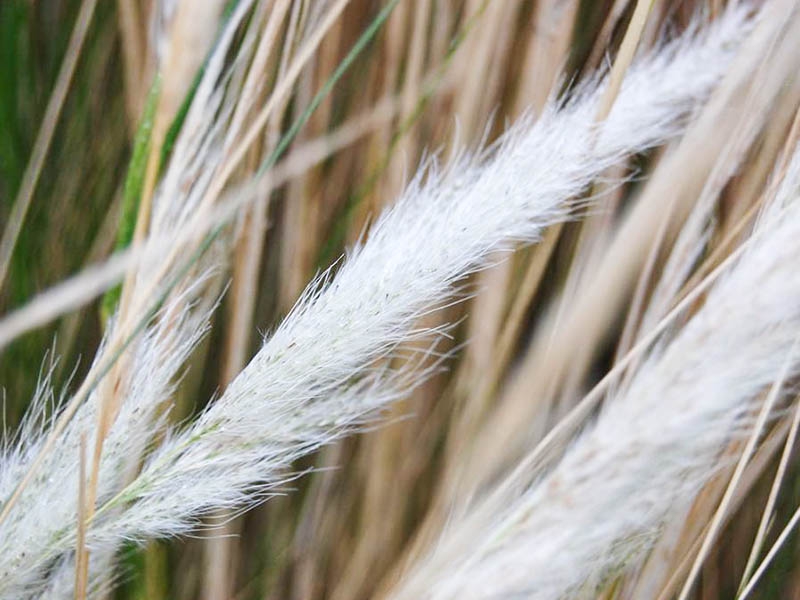
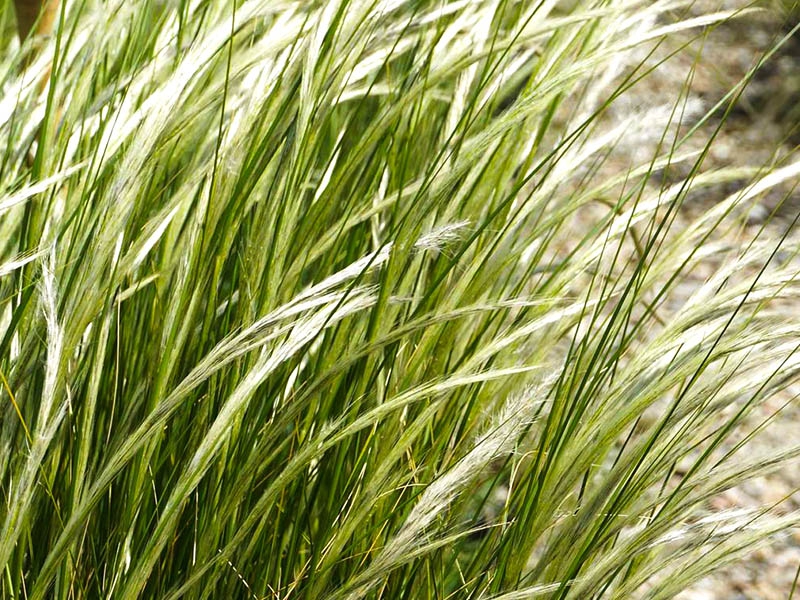
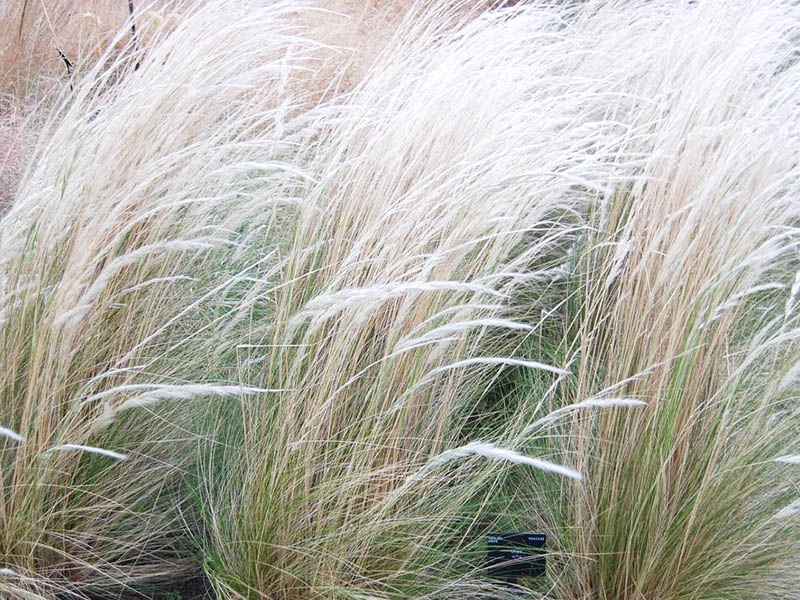
Haraba ichu (Stipa ichu) is a perennial herb native primarily to the alpine regions of South America. This plant possesses the following characteristics: Growth Characteristics - Environment: Haraba ichu thrives in cool alpine climates and can survive even in cold and dry conditions. - Soil: It prefers well-drained sandy or gravelly soil. - Sunlight: It requires ample sunlight but can grow to some extent in partial shade. - Growth: The plant grows to a height of approximately 60–100 cm and is characterized by its long, trailing leaves. Propagation Methods - Seeds: It can be propagated by sowing seeds directly in spring or autumn. - Division: Propagation by dividing the roots is also possible. Since the leaves grow profusely, dividing and transplanting the roots allows them to be grown into new plants. Cultivation Methods - Soil Preparation: Plant in well-drained soil. - Planting: It is recommended to plant in spring or autumn. 3. Watering: Excessive watering is not necessary, but sufficient water should be provided until the plant is established. - Fertilizer: Major fertilizer needs are not required, but organic fertilizer can be applied occasionally during the growing season. Uses in the Garden- Primarily used as a border plant in gardens, it is popular as a landscape plant due to its natural and attractive form as it sways in the wind. - It thrives even in dry or barren areas, making it suitable for landscaping. Important Pests and Control Methods- Haraba Ichu is generally resistant to pests and diseases. However, it can contract root rot if waterlogged, so attention must be paid to drainage management. - In the event of a pest infestation, eco-friendly pesticides can be used for control if necessary. - It is important to detect and address pests and diseases early through regular monitoring.
Plant Type
Plant Family
Poaceae
Height
60~90cm
Spread
60~90cm
Colors
white
Bloom Period
March to August
Water Needs
commonly
Exposure
Sunny
Freezing Resistance
-20°C
Naraesae
Achnatherum pekinense
Narrow-leaved bird
Stipa tenuissima