English
한국어
English
Español
中文
हिंदी
Home
News
Community
Dictionary
English
한국어
English
Español
中文
हिंदी
View list
Streptococcus amabilis
Stromanthe amabilis
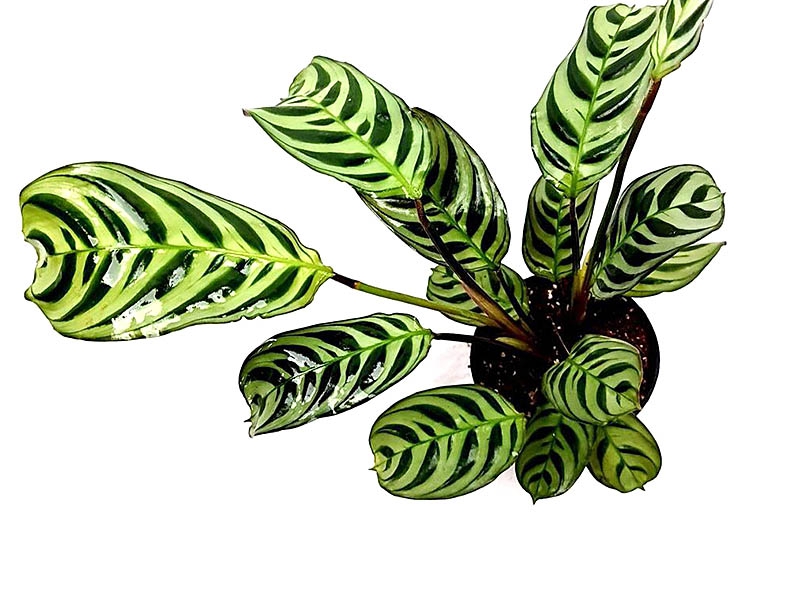
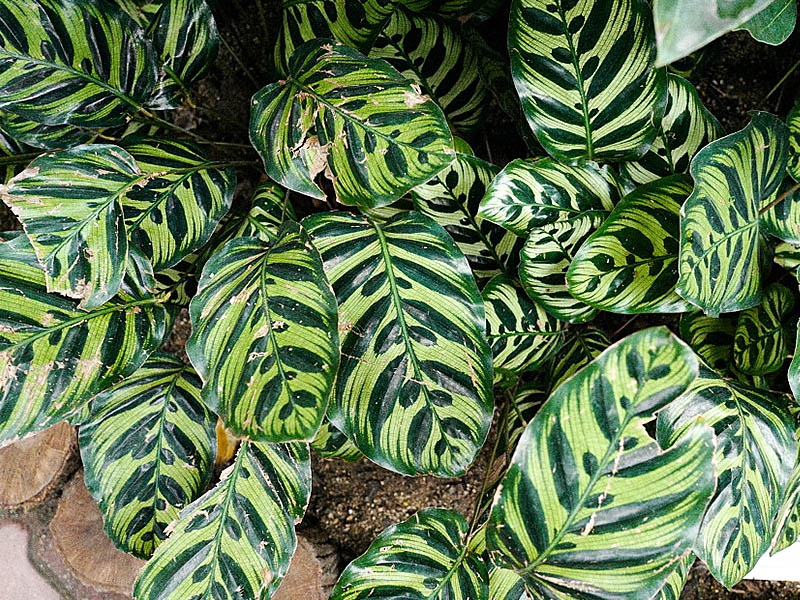
Streptocarpus amabilis is generally known as an ornamental foliage plant with beautiful flowers and leaves. The following outlines the plant's growth characteristics, propagation methods, cultivation techniques, garden uses, and major pests and diseases, as well as control methods. Growth Characteristics - Growing Environment: It thrives indoors or in semi-shaded areas. It prefers bright, indirect light, as direct sunlight can damage the leaves. - Temperature: It prefers warm temperatures, with 15–25°C being suitable. During the winter, it is recommended to maintain a minimum temperature of 10°C or higher. - Humidity: It prefers a humid environment, so the humidity of the surrounding air should be kept high. Using a humidifier or misting the leaves is a good method. Propagation Methods - Seed Propagation: It can be propagated using seeds, but this requires significant time and effort. - Leaf Cuttings: It is primarily propagated by leaf cuttings. You can cut a healthy leaf, place it in water to encourage rooting, or plant it directly in soil to grow into a new plant. Cultivation Method - Soil: Use well-draining soil rich in humus. It is recommended to mix perlite or vermiculite into standard potting soil. - Watering: Water when the soil is dry and avoid overwatering. Reduce watering, especially during the winter. - Fertilizer: During the growing season in spring and summer, apply diluted liquid fertilizer approximately once every two weeks. Garden Use - Indoor Decoration: It is frequently used for indoor decoration when planted in pots. - Shade Garden: It can be used in semi-shaded outdoor gardens, but temperature and humidity must be properly controlled. Major Pests and Diseases & Control Methods - Pests and Diseases: It may be infected with leaf blight or sclerotinia rot. To prevent this, ensure good ventilation and maintain sufficient spacing between plants. - Pests and Insects: Aphids or mites may occur. In this case, use eco-friendly insecticides or wash them off with water. - Control: It is important to detect early symptoms through regular inspections and implement appropriate control measures. Check the condition of the plant frequently and respond promptly if any problems arise. By referring to these methods, you can grow a healthy Streptococcus amabilis. If you properly regulate environmental conditions and pay attention to pests and diseases, you will be able to grow it into a beautiful plant.
Plant Type
Plant Family
Maranta family
Height
40∼70cm
Spread
Colors
pink
Bloom Period
March to May
Water Needs
commonly
Exposure
semi-shaded area
Freezing Resistance
-5°C
bellflower
Strobilanthes oligantha
Majeonja tree
Strychnos nux-vomica