English
한국어
English
Español
中文
हिंदी
Home
News
Community
Dictionary
English
한국어
English
Español
中文
हिंदी
View list
Majeonja tree
Strychnos nux-vomica
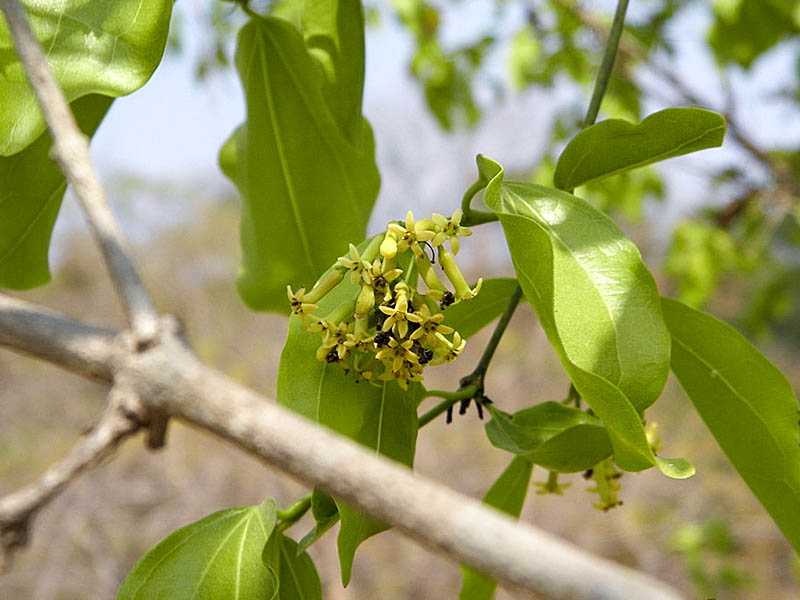
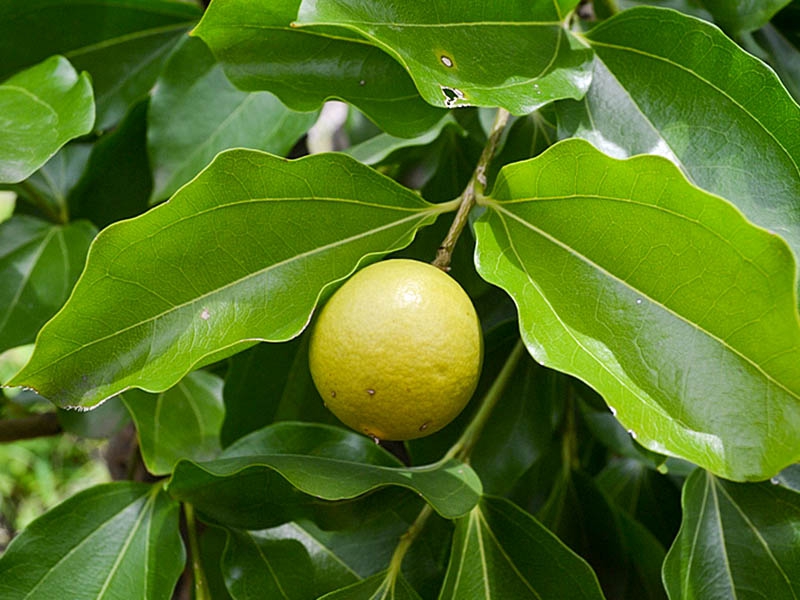
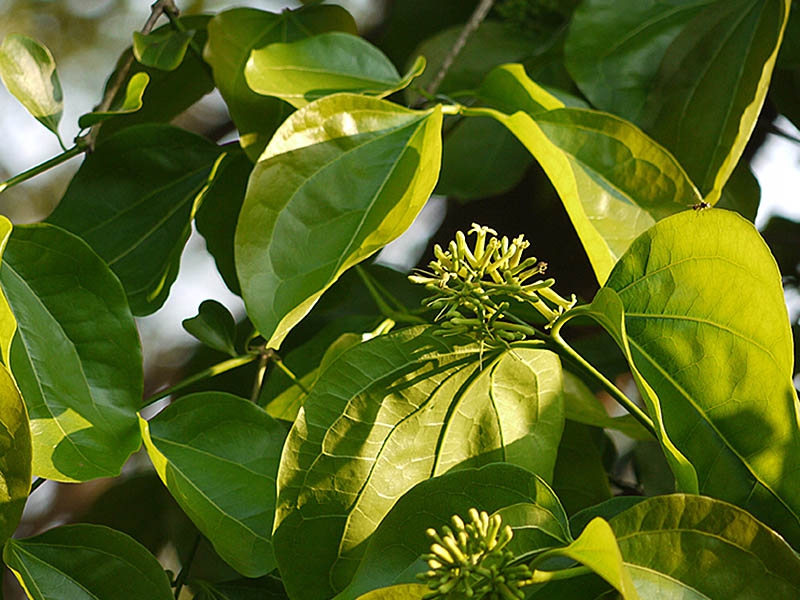
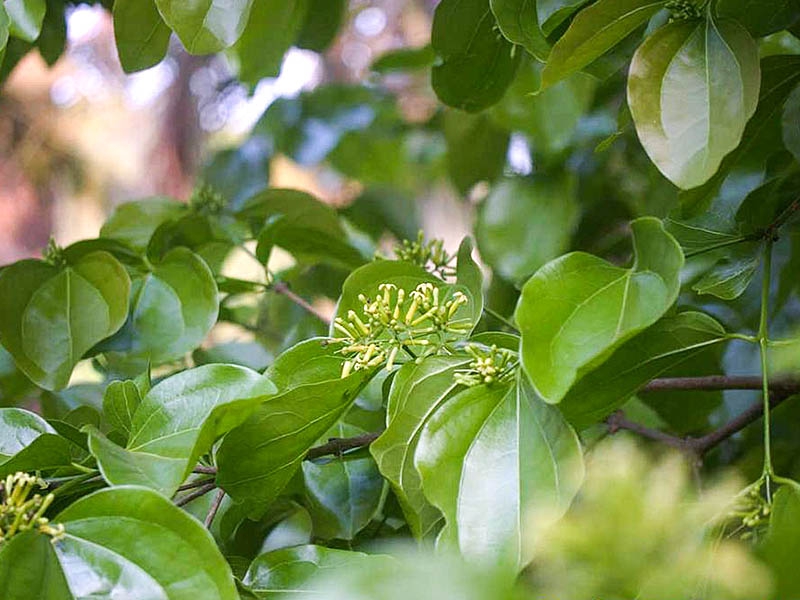
Strychnos nux-vomica is a tree native primarily to India and Southeast Asia. The following is information regarding the growth characteristics and uses of this plant. Growth Characteristics - Climate Requirements: It thrives in tropical and subtropical climates. It requires warm temperatures and sufficient rainfall. - Soil: It grows well in fertile, well-drained soil. It prefers a moderately acidic or neutral pH. - Light: It grows well in sunny locations but can also grow in partial shade. Propagation Methods - Seed Propagation: It can be propagated by seeds. Soak the seeds in water first, then germinate them in a warm place away from direct sunlight. - Cutting Propagation: It can also be propagated by cuttings, which will root under suitable conditions. Cultivation Methods - Soil Preparation: Prepare well-draining soil. If using compost, mix the soil thoroughly. 2. Seed Sowing: Plant seeds at a depth of 2–3 cm and water thoroughly. - Growth Management: Provide adequate water and nutrients, and observe growth. Uses in the GardenDue to its unique appearance, the Marjun tree is ideal for creating a spectacular landscape in the garden. However, caution is required as the seeds and fruit are toxic. Important Pests and Control Methods - Diseases: It can be susceptible to fungal diseases, so proper ventilation and drainage are important. - Pests: Common pests include aphids; pest control should be carried out periodically. - Control Methods: You can use eco-friendly insecticides or physical pest removal methods. When cultivating Marjun Nuxe-Uomica, it is important to check local legal regulations and grow it safely through appropriate management practices.
Plant Type
Plant Family
Majeon and
Height
10∼13m
Spread
Colors
Green, yellow
Bloom Period
March to April
Water Needs
commonly
Exposure
Sunny
Freezing Resistance
-5°C
Streptococcus amabilis
Stromanthe amabilis
Styloforum difillum
Stylophorum diphyllum