English
한국어
English
Español
中文
हिंदी
Home
News
Community
Dictionary
English
한국어
English
Español
中文
हिंदी
View list
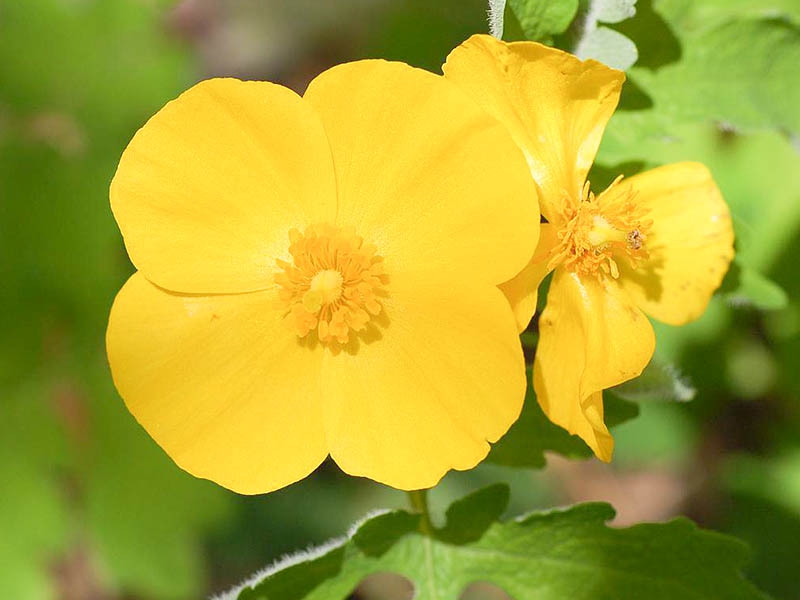
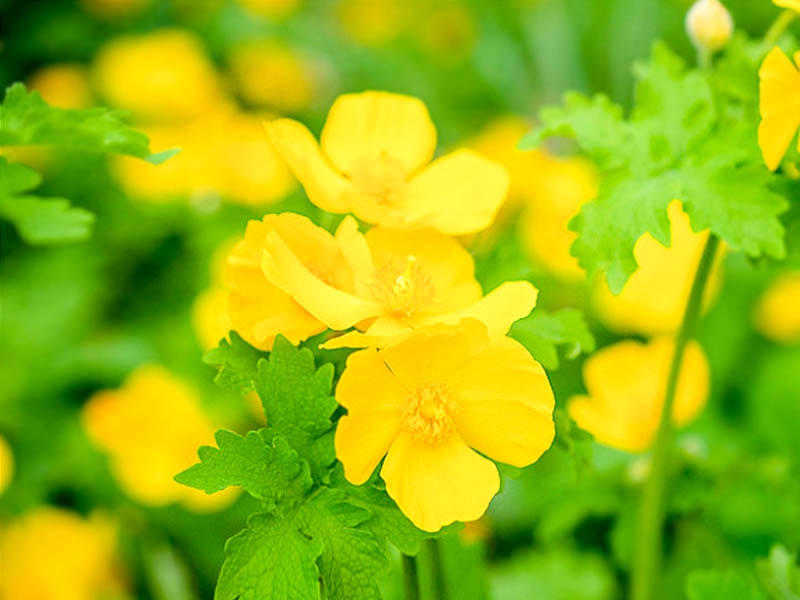
Styloforum difillum
Stylophorum diphyllum
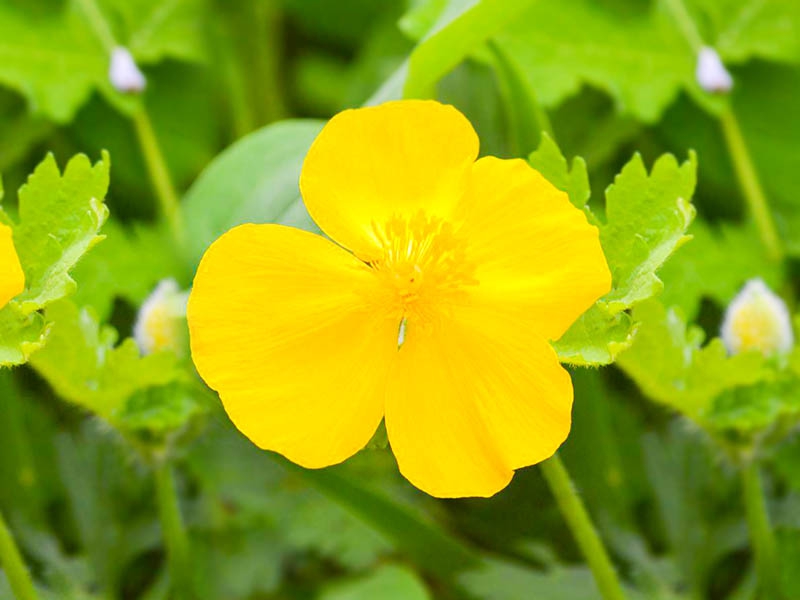
Information regarding various aspects of Stylophorum diphyllum has been summarized as follows: Growth Characteristics Stylophorum diphyllum thrives in both full sun and shade and prefers moderately moist soil. It generally grows well in wooded areas or shaded gardens, reaching a height of approximately 30–45 cm. It blooms with yellow flowers in spring and early summer and is characterized by its distinctive feather-shaped leaves. Propagation Methods It is primarily propagated by seeds; seeds are harvested in the autumn and sown immediately, or they are sown in early spring. It can also be propagated by root division. Since the seed germination rate is not high, it is recommended to sow a large number of seeds. Cultivation Methods - Soil: It can be grown in various types of well-draining soil, but it grows better in slightly acidic soil. - Watering: Maintaining adequate humidity is important. Caution is required as excessive watering can cause root disease. - Sunlight: It grows well in partial shade and prefers locations with some shade rather than direct sunlight. Uses in the Garden Stylophorum diphyllum is well-suited for natural woodland-style gardens and is particularly beautiful when planted in groups. Mixing it with other shade-loving plants can add a natural atmosphere to your garden. Important Pests and Control Methods - Diseases: The main disease is root rot, which is primarily caused by excessive moisture. This can be prevented by improving drainage and adjusting watering schedules. - Pests: While pest damage is generally not significant, aphids may occur. To control them, wipe the leaves with soapy water or use pesticides if necessary. When controlling pests, it is important to prioritize eco-friendly methods to minimize the impact on the plant and the surrounding environment.
Plant Type
Plant Family
poppy family
Height
30~60cm
Spread
25~30cm
Colors
yellow
Bloom Period
March to April
Water Needs
commonly
Exposure
semi-shaded area
Freezing Resistance
-30°C
Majeonja tree
Strychnos nux-vomica
Styrax japonica
Styrax obassia