English
한국어
English
Español
中文
हिंदी
Home
News
Community
Dictionary
English
한국어
English
Español
中文
हिंदी
View list
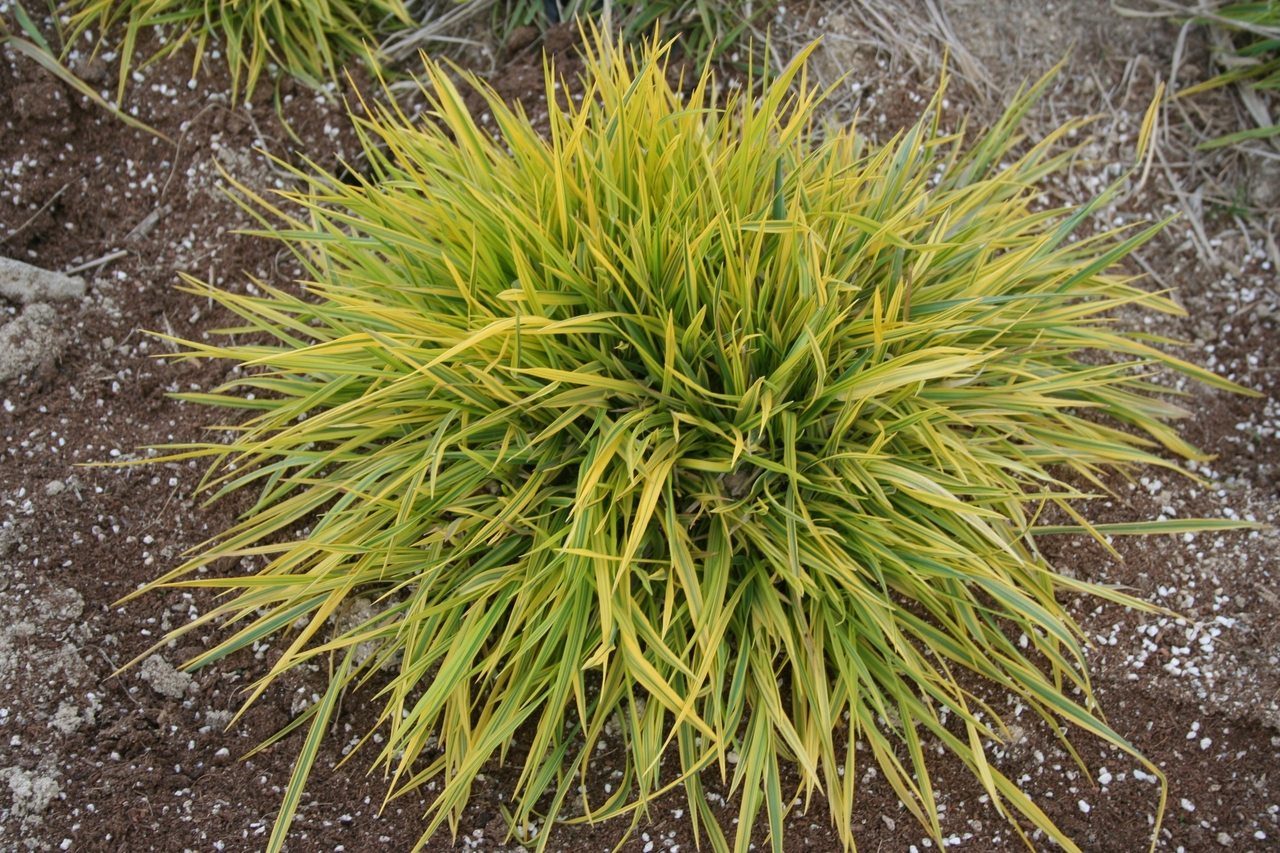
Large barnyard grass 'variegatus'
Alopecurus pratensi
'Variegatus'
Alopecurus pratensis 'Variegatus' has the following growth characteristics, propagation methods, and cultivation guidelines: - Growth Characteristics: It is a perennial herbaceous plant of medium height. Its leaves feature white stripes on a light green background, making them highly valuable as ornamental plants. It thrives primarily in partial shade and grows even healthier when adequate moisture is maintained. - Propagation Methods: It is mainly propagated by root division. It can be easily propagated by dividing and planting the roots of mature plants in autumn or early spring. Propagation by seeds is also possible, but it requires more time and care. - Cultivation Methods: It grows well in well-drained soil and prefers a pH of slightly acidic to neutral. Proper watering and fertilization are necessary for the plant's healthy growth. It is best to apply fertilizer in spring and autumn. 4. Use in the Garden: Due to its beautiful leaf patterns, it is popular as an ornamental plant in gardens and parks. It can be planted along borders, along flowerbed edges, or in grass gardens to add beauty. - Important Pests and Control Methods: Watch out for leaf rust or powdery mildew. Provide adequate ventilation, and if the disease occurs, remove the affected plants immediately to prevent further spread. Aphids can be a problem as pests; in this case, they can be controlled using appropriate insecticides. With proper care and a suitable environment, the Great White-eye 'Variegatus' can grow healthily in the garden and display its unique beauty.
Plant Type
Plant Family
Poaceae
Height
30~50cm
Spread
30~45cm
Colors
Green and white (leaf pattern)
Bloom Period
May~June
Water Needs
middle
Exposure
From partial shade to full sun
Freezing Resistance
-20°C
Leather sedge 'Red Rooster'
Carex buchananii 'Red Rooster'
Deer urine 'Vision in Red'
Astilbe chinensis 'Vision In Red'