English
한국어
English
Español
中文
हिंदी
Home
News
Community
Dictionary
English
한국어
English
Español
中文
हिंदी
View list
cushion herb
Suaeda australis
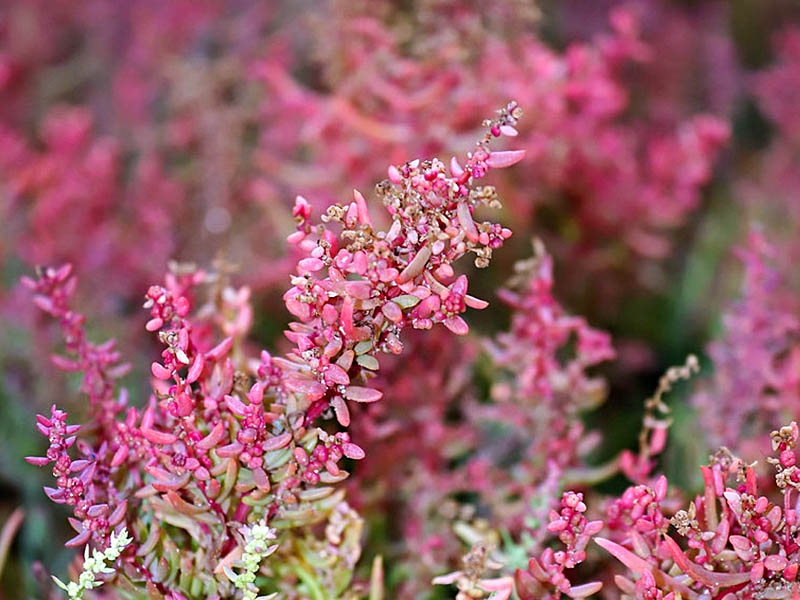
Suaeda australis is a halophyte characterized by its ability to thrive primarily in high-salinity coastal areas. The following outlines the plant's growth characteristics, propagation and cultivation methods, garden uses, and major pests and diseases, as well as control methods. Growth Characteristics - Environmental Adaptability: It grows well even in high-salinity soil and is relatively tolerant of drought. - Sunlight Requirements: It thrives in full sun, but can also grow in partial shade. - Growth Rate: It grows relatively quickly and can reach a height of approximately 50 cm. Propagation Methods - Seed Propagation: It can be propagated by sowing seeds directly. It is best to sow in spring or autumn. - Cuttings: It also grows well when a section of the stem is cut and planted. Cultivation Methods - Soil: It prefers well-drained sandy soil. It tolerates saline soil well as well. - Water Management: It is better to keep the soil dry rather than overwatering. Water about 1-2 times a week. - Fertilizer: No special fertilizer is required, but it is recommended to occasionally apply organic fertilizer to promote growth. Uses in the Garden - Landscape Effect: It can be used as a landscape plant in the garden due to its unique colors and textures. - Windbreak: It can also serve as a windbreak in areas with strong winds. Important Pests and Control Methods - Pests and Diseases: It is generally resistant to pests and diseases, so there are no major issues; however, the leaves may be damaged by pests. - Control Methods: - Naturally, it is best to create an environment with few pests. - If necessary, you may consider using agricultural insecticides minimally. Cushion Plant Australis is a relatively easy plant to care for; it can grow healthily as long as the appropriate environment is provided.
Plant Type
Plant Family
Chenopodiaceae
Height
15~20cm
Spread
Colors
red
Bloom Period
August~September
Water Needs
commonly
Exposure
Sunny
Freezing Resistance
-15°C
narrow sea purslane
Suaeda salsa
Submarine Cana Car Espitosa
Submatucana caespitosa