English
한국어
English
Español
中文
हिंदी
Home
News
Community
Dictionary
English
한국어
English
Español
中文
हिंदी
View list
bitterwort
Swertia pseudochinensis
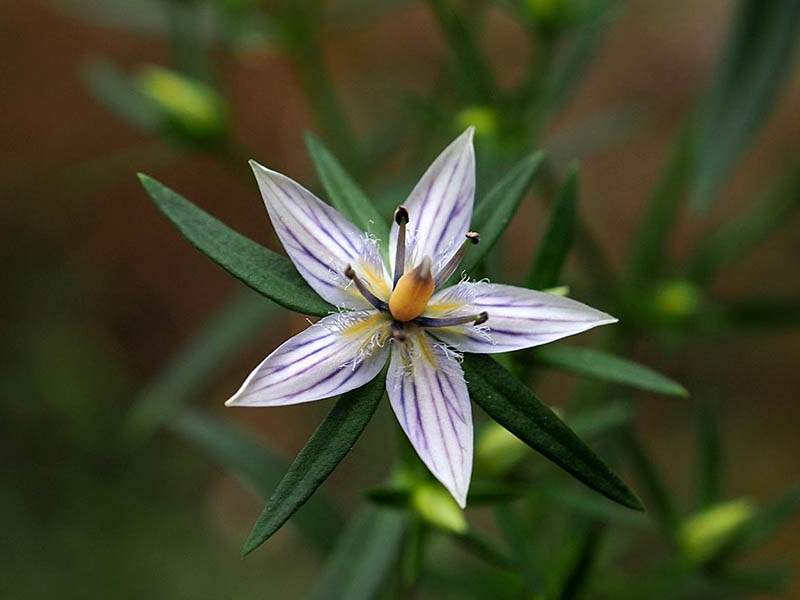
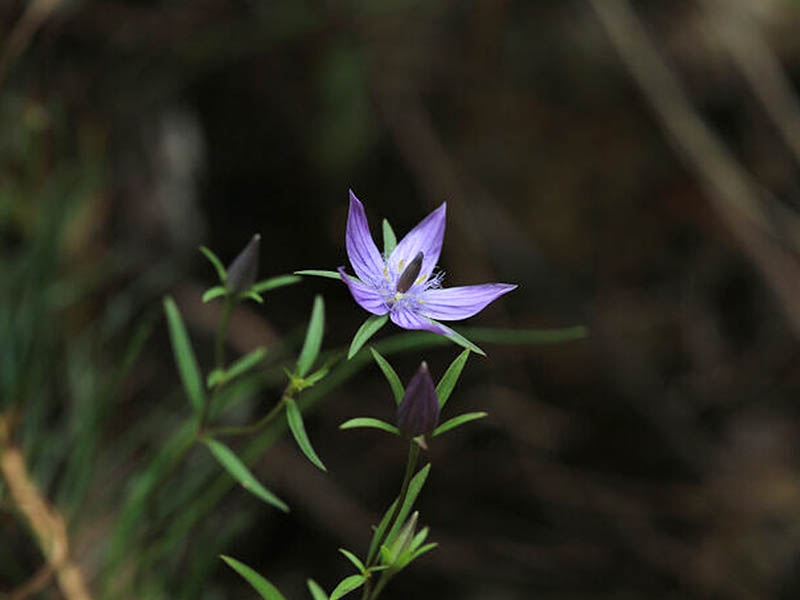
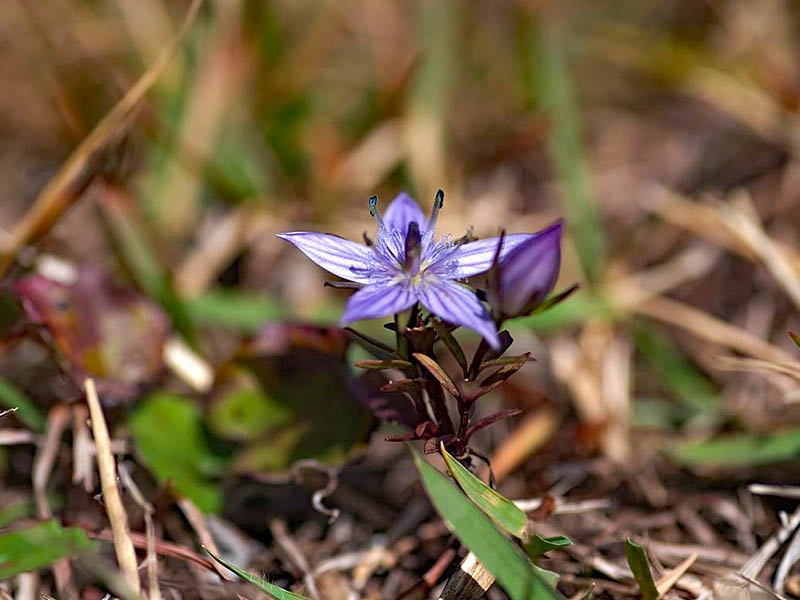
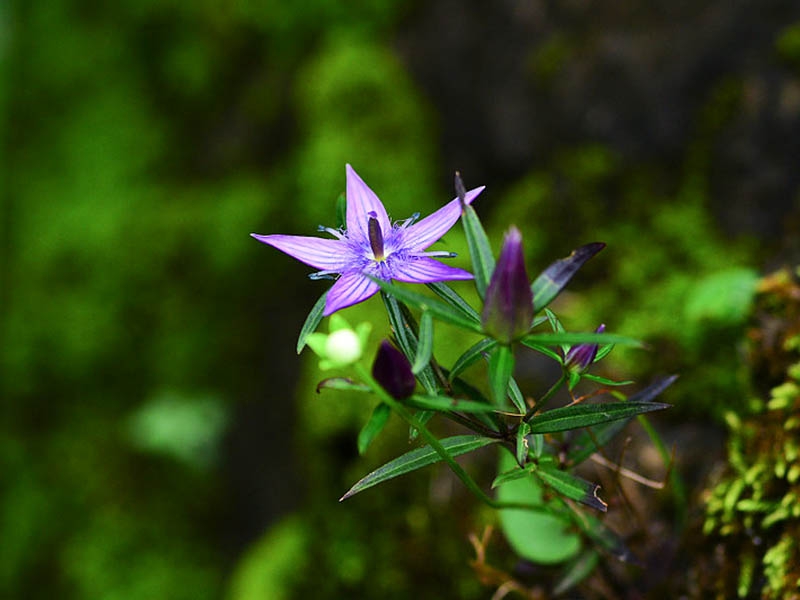
I will explain the growth characteristics, propagation methods, cultivation methods, garden uses, and major pests and diseases and control methods of Swertia pseudochinensis. Growth Characteristics Swertia pseudochinensis primarily grows wild in mountainous areas and prefers moist environments. It is a perennial herbaceous plant that typically grows to a height of 30 to 60 cm. Flowers bloom from summer to autumn and are purple in color. The leaves are opposite and have an elongated, linear shape. Propagation Methods Propagation is mainly done by seeds, but division using a portion of the roots is also possible. Seeds are sown in early spring, while division is performed in early spring or autumn. Cultivation Methods Swertia pseudochinensis thrives in well-drained soil and partial shade. However, moderate sunlight also promotes improved growth. Care must be taken to avoid overwatering; generally, watering once or twice a week is recommended. Using organic fertilizers promotes healthier growth. Garden Use In the garden, it can be planted as ground cover or along the edges of flowerbeds. Its beautiful purple flowers blend well with other plants and make it suitable for ponds or moist flowerbeds. Major Pests and Control Methods While Scutellaria baicalensis is relatively resistant to pests and diseases, root rot can occur under excessively wet conditions. To prevent this, it is important to cultivate it in well-drained soil. Aphids can be a problem as pests; soapy water or commercial pesticides can be used to eliminate them. As such, Scutellaria baicalensis is a plant with a distinctive beauty and adaptability, and healthy growth can be promoted through proper care and conditions.
Plant Type
Plant Family
Gentian family
Height
15~30cm
Spread
Colors
purple
Bloom Period
September to October
Water Needs
commonly
Exposure
Sunny
Freezing Resistance
-10°C
Four-eared bitterwort
Swertia tetrapetala
bitter herbs
Swertia japonica