한국어
한국어
English
Español
中文
हिंदी
홈
뉴스
커뮤니티
사전
한국어
한국어
English
Español
中文
हिंदी
목록보기
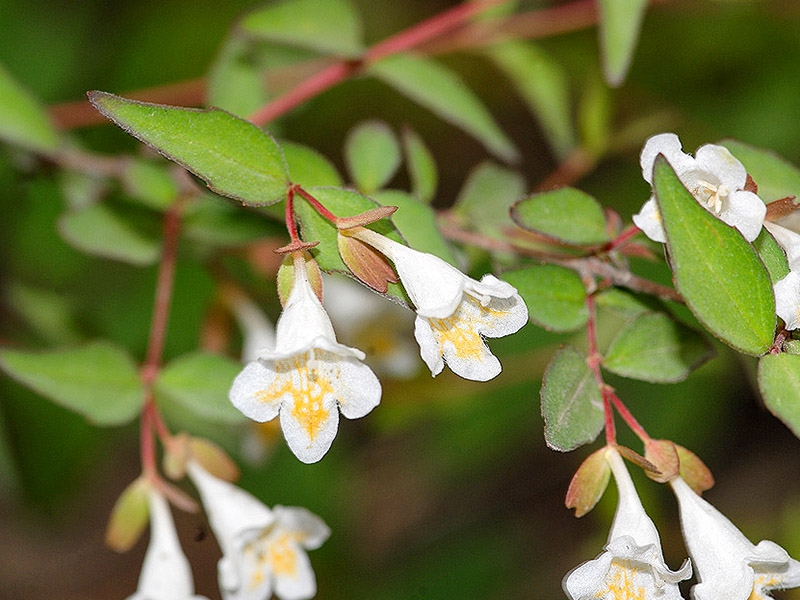
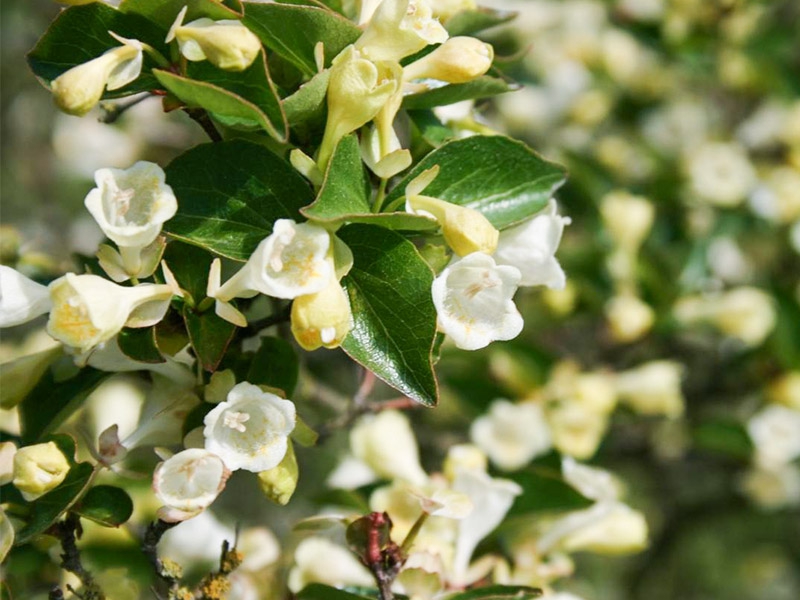
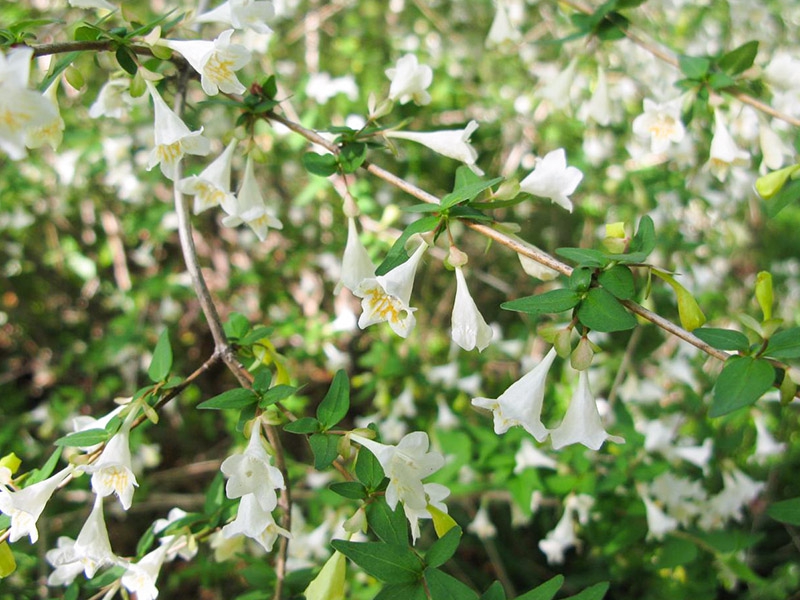
좀댕강나무
Diabelia serrata
좀댕강나무(Diabelia serrata)는 매력적인 관목으로, 다양한 환경에서 잘 자라며 정원에서 인기를 끌고 있습니다. 아래는 좀댕강나무의 생육적 특성, 번식 방법, 재배 방법, 정원에서의 이용, 그리고 주요 병충해 및 방제 방법에 관한 정보입니다. 생육적 특성 - 크기: 보통 1~3미터 정도까지 자랍니다. - 잎: 타원형 또는 난형의 잎은 짙은 녹색을 띠며, 가을에는 붉은색이나 황색으로 변합니다. - 꽃: 봄에서 여름에 걸쳐 연한 분홍색 또는 백색의 꽃이 피며, 향기가 있습니다. - 서식지: 산림 가장자리나 계곡 주변의 습기 있는 곳에서 잘 자랍니다. 햇볕이 잘 드는 곳과 반그늘을 모두 견딥니다. 번식 방법 - 씨앗 번식: 가을에 성숙한 씨앗을 채취하여 바로 심거나, 냉장 보관 후 이른 봄에 파종할 수 있습니다. - 꺾꽂이: 여름철에 반숙지 꺾꽂이를 사용하여 번식할 수 있습니다. 깔끔한 절단면을 가진 가지를 선택하여 잎 부분을 제거한 후, 적당한 크기로 자른 뒤 삽목용 토양에 꽂습니다. 재배 방법 - 토양: 배수가 잘 되면서도 비옥한 토양이 가장 좋습니다. 약산성에서 중성의 pH를 유지하는 것이 이상적입니다. - 물 관리: 과습을 피하며, 토양이 마르면 충분한 물을 줍니다. - 시비: 봄철에 완효성 비료를 사용하여 복합비료를 제공하는 것이 좋습니다. 정원에서의 이용 - 경관 미화: 아름다운 꽃과 잎 색 변화를 이용하여 정원에 시각적인 포인트로 활용할 수 있습니다. - 생울타리: 밀생하는 특성을 이용하여 생울타리로 사용할 수 있습니다. 주요 병충해 및 방제 방법 - 병해: 곰팡이로 인한 잎마름병이 발생할 수 있습니다. 감염 부위를 제거하고, 필요한 경우 살균제를 사용합니다. - 충해: 진딧물과 같은 해충이 발생할 수 있으며, 이 경우 비눗물 스프레이나 유기농 살충제를 이용하여 방제합니다. - 예방 관리: 통풍이 잘 되는 환경을 조성하여 병충해를 예방하고, 정기적인 가지치기를 통해 건강한 생장 환경을 유지합니다. 이러한 정보를 바탕으로 좀댕강나무를 성공적으로 재배하여 정원을 아름답게 가꾸실 수 있습니다.
과명
인동과
키
1∼2m
빛깔
흰색
개화기
5~7월
물 요구도
보통
빛 요구도
반음지
내한성
-15°C
배초향
Agastache mexicana
댕강나무
Zabelia tyaihyonii