English
한국어
English
Español
中文
हिंदी
Home
News
Community
Dictionary
English
한국어
English
Español
中文
हिंदी
View list
Flowering cranberry 'kalidoscope'
Abelia
×
grandiflor
'Kaleidoscope'
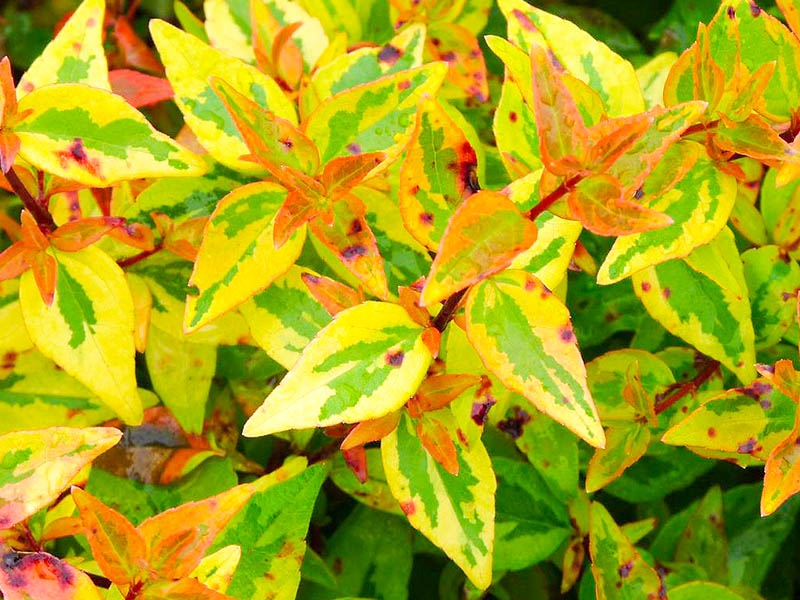
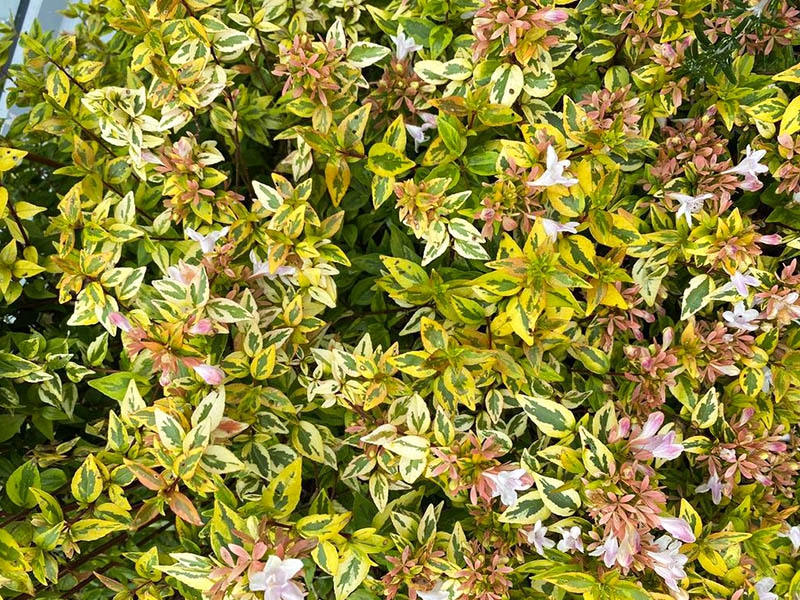
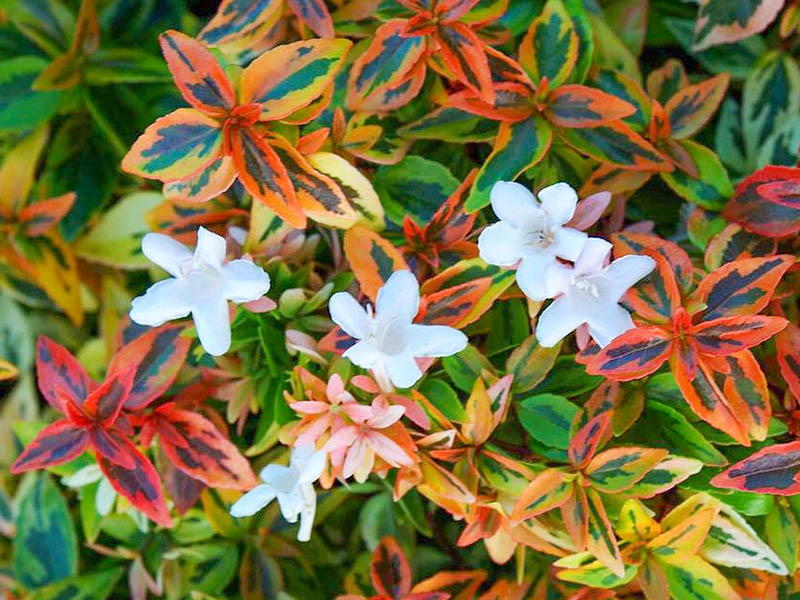
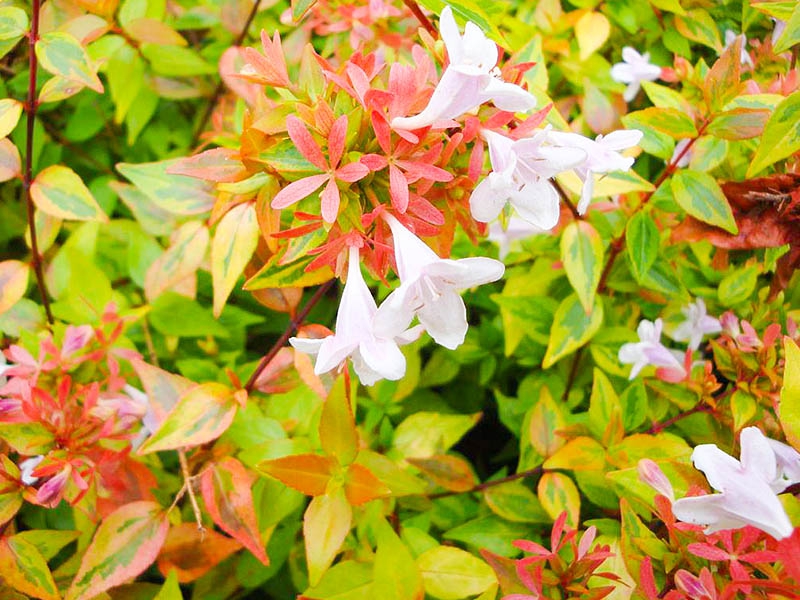
Abelia × grandiflora 'Kaleidoscope' is a popular shrub known for its vibrant leaf colors. The following is information regarding this variety's growth characteristics, propagation methods, cultivation techniques, garden uses, and major pests and diseases, as well as control methods. Growth Characteristics - Leaves: Display a variety of colors throughout the year (yellow, green, red, etc.), showing even more vibrant hues, especially in the autumn. - Flowers: Small white or light pink flowers bloom from summer to autumn. - Size: Typically grows to a height of 30–90 cm and a width of 60–120 cm. - Growth Rate: Relatively fast, it propagates rapidly in suitable environments. - Environment: It prefers locations with ample sunlight but can also thrive in partial shade. Propagation Methods - Cuttings: In early spring or autumn, branches can be cut and propagated by rooting them in water or by planting them directly in soil. - Layering: Another method involves bending a branch into the ground and burying it to encourage natural rooting. Cultivation Methods - Soil: It thrives in well-drained soil. A pH of slightly acidic to neutral is suitable. - Watering: It prefers well-drained soil, and regular watering is necessary during dry periods. - Fertilizer: It is recommended to apply slow-release fertilizer once in the spring. - Pruning: Light pruning in early spring helps shape the plant and promotes healthy growth. Uses in the GardenDendrobium 'Kallidoscope' is well-suited for garden edges, borders, or as a potted plant due to its colorful leaves. It also harmonizes well with other plants to enhance the landscape. Important Pests and Control Methods - Pests: Aphids, scale insects, and leaf curlers may occur. Detect them early and remove them by using pesticides or washing with water. - Pathogens: Leaf mold caused by fungi may rarely occur; to prevent this, it is recommended to grow the plant in a well-ventilated environment. - Control Methods: Prevention is the most important factor, and natural control using natural enemies can also be considered. Chemical control is used restrictively only when pests are rapidly increasing. The 'Kalidescop' is a plant that anyone can easily cultivate in their garden thanks to its unique leaves and easy care.
Plant Type
Plant Family
Honeysuckle
Height
60~90cm
Spread
90~120cm
Colors
white
Bloom Period
May to August
Water Needs
commonly
Exposure
Sunny
Freezing Resistance
-15°C
Flowering crape myrtle 'Knot Grass'
Abelia × grandiflora 'Mardi Gras'
crape myrtle
Abelia × grandiflora