English
한국어
English
Español
中文
हिंदी
Home
News
Community
Dictionary
English
한국어
English
Español
中文
हिंदी
View list
Misun tree
Abeliophyllum distichum
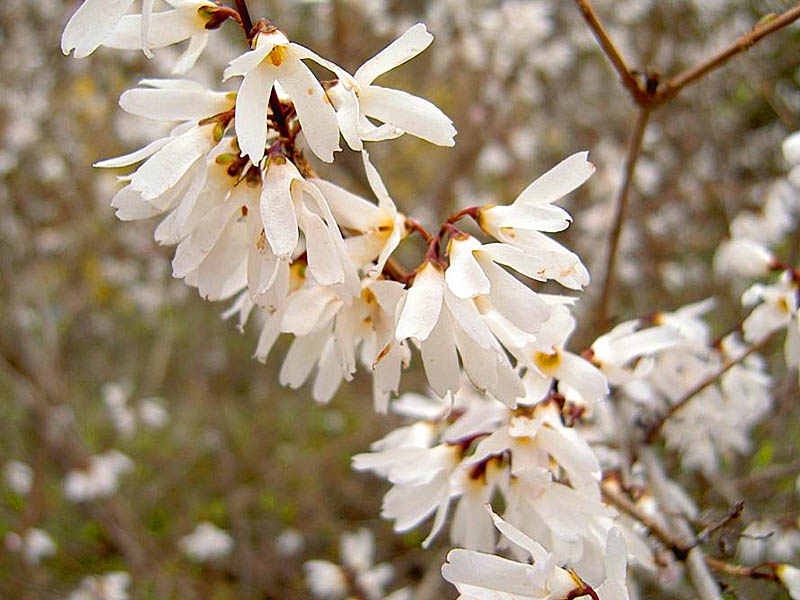
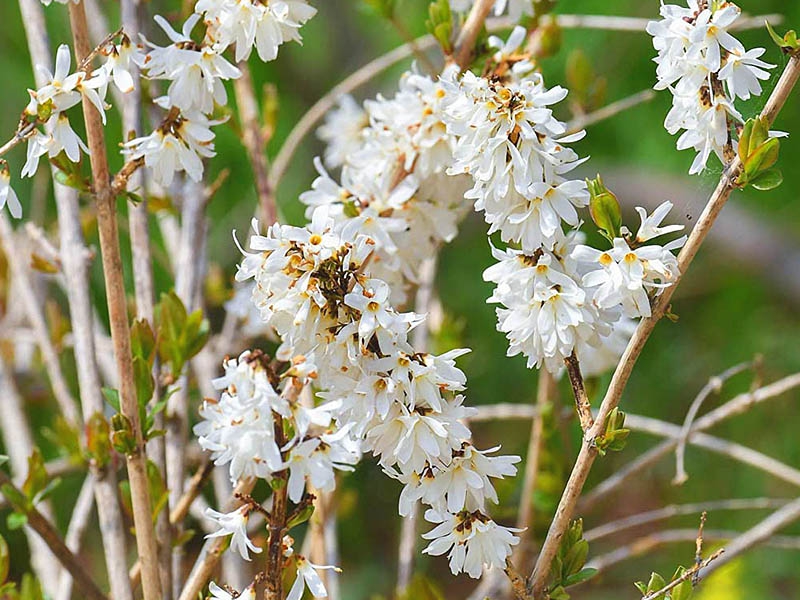
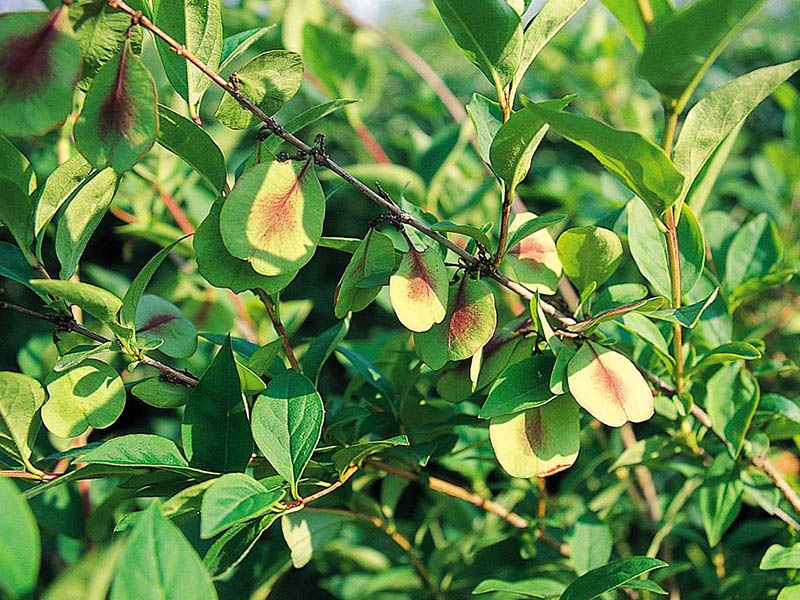
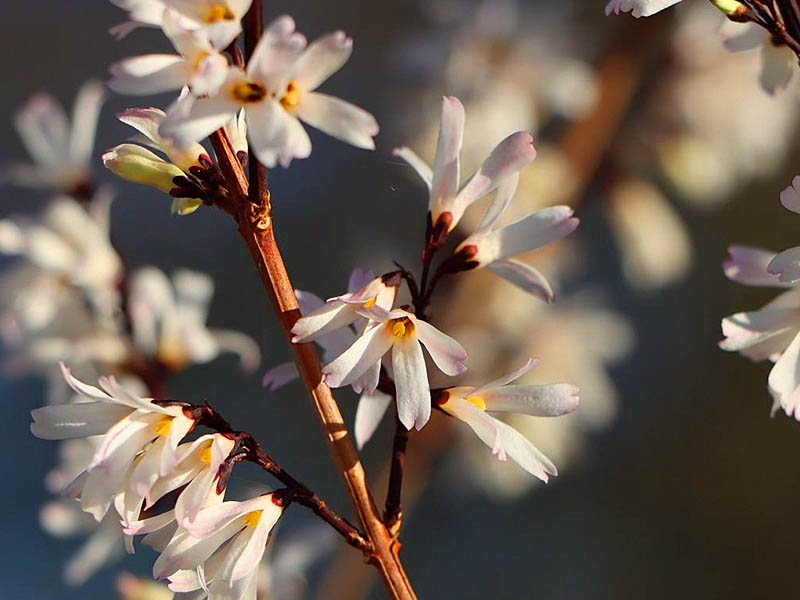
Characteristics and Care Methods of Abeliophyllum distichum #Growth Characteristics Abeliophyllum distichum is a deciduous shrub native primarily to Korea and belongs to the Olive family. It typically grows to a height of 1 to 2 meters and produces white or light pink flowers. Flowers usually bloom in early spring, characterized by flowering before the leaves appear. The leaves are opposite, oval-shaped, and about 4 to 8 cm in length. #Propagation Methods Abeliophyllum distichum is mainly propagated through cuttings and seedlings. - Cuttings: In the spring, before new shoots emerge, cut last year's branches to a length of 10 to 15 cm and plant them. Plant them in well-drained soil to encourage rooting. - Seedlings: Collect seeds in the autumn after they mature, store them in the refrigerator, and sow them the following spring. Use potting soil to ensure good germination, and keep the soil moist by watering appropriately. #Cultivation Method While the Korean forsythia thrives in full sun, it can grow well in partial shade. - Soil: Well-drained, soft soil is suitable. If necessary, add compost or manure to improve soil fertility. - Watering: Water consistently to prevent dryness, but pay attention to drainage. - Pruning: It is recommended to prune after the spring flowers have faded to shape the plant. #Uses in the Garden The Korean forsythia is suitable for ornamental purposes due to its beautiful flowers, and its small size makes it useful for decorating garden borders or edges. Its branches remain attractive even in winter, providing a visual focal point in the garden year-round. #Important Pests and Control Methods The Korean forsythia is relatively resistant to pests and diseases, but caution is required regarding common garden pests. - Diseases: Root rot can occur due to excessive moisture, so proper drainage management is crucial. - Pests: Aphids or mites may occur; these can be prevented by the periodic use of insecticides. You can keep the Korean forsythia healthy and beautiful through regular observation and appropriate measures.
Plant Type
Plant Family
Oleaceae
Height
90~150cm
Spread
90~120cm
Colors
white
Bloom Period
March to April
Water Needs
commonly
Exposure
Sunny
Freezing Resistance
-20°C
Pinky Bells
Abelia × grandiflora 'Pinky Bells'
Dolphina mata 'sakatensis'
Abelmoschus moschatus subsp. tuberosus 'Sakatensis'