English
한국어
English
Español
中文
हिंदी
Home
News
Community
Dictionary
English
한국어
English
Español
中文
हिंदी
View list
okra
Abelmoschus esculentus
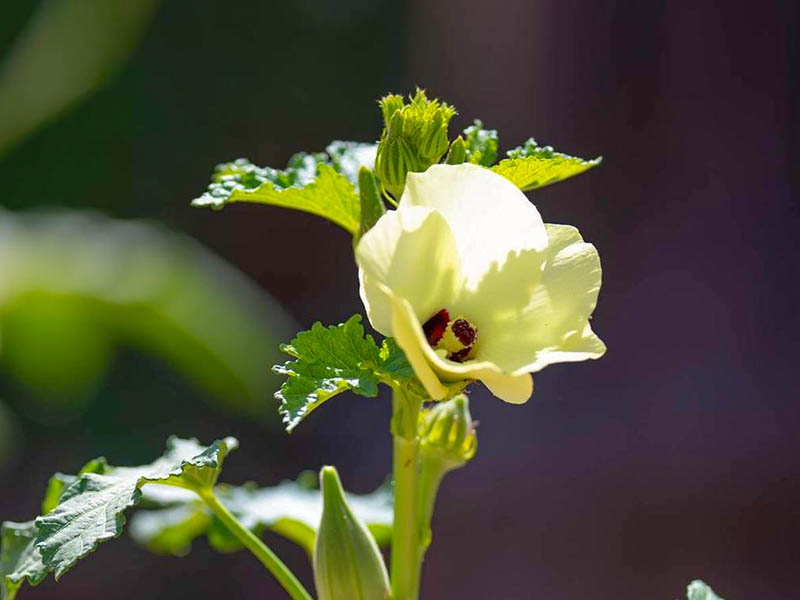
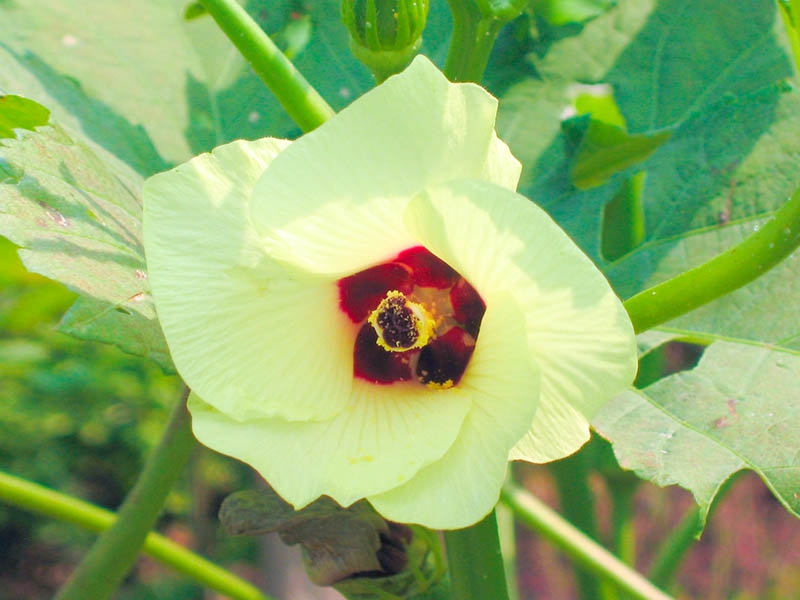
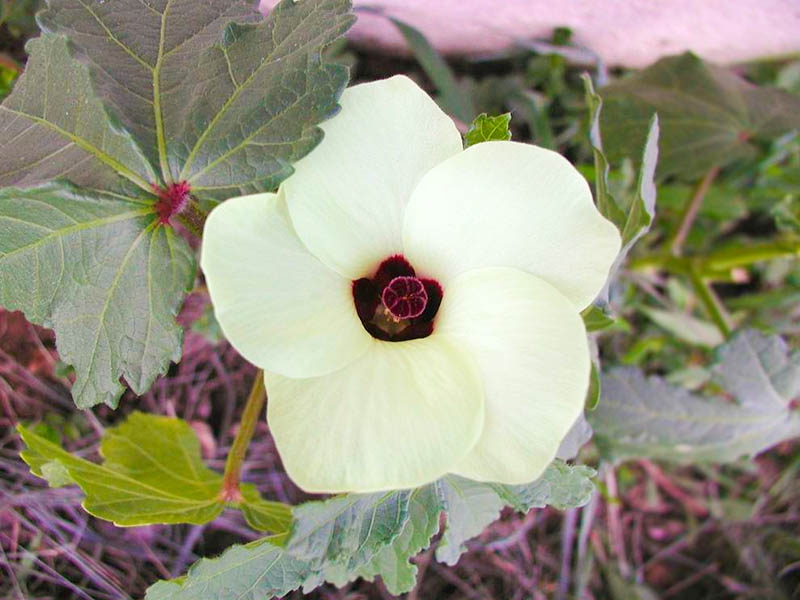
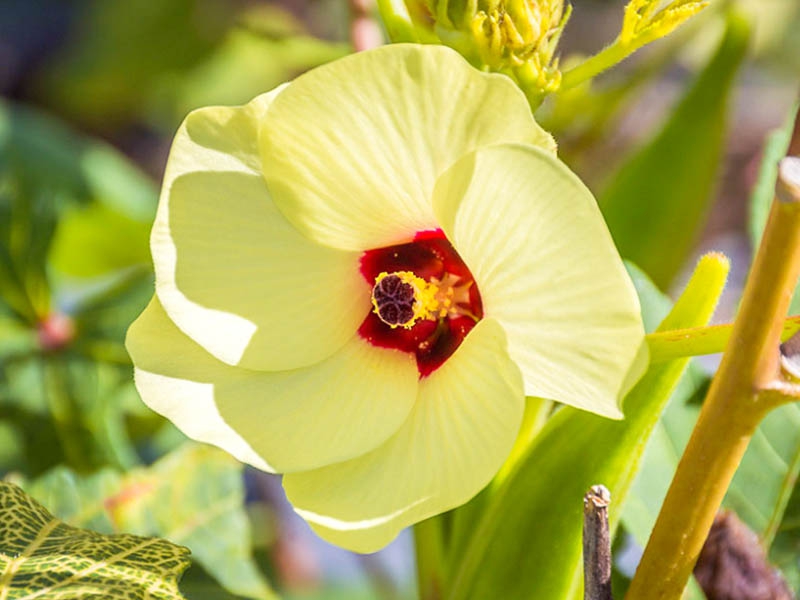
Okra is a plant that thrives in warm climates; it grows deep roots and requires plenty of sunlight. Okra grows particularly well in hot and humid summer environments and prefers well-drained soil. Growth Characteristics - Growth Temperature: 25–30°C is suitable; growth may be poor in cool climates. - Soil: It prefers well-drained soil rich in organic matter. - Sunlight: It must be cultivated in a location where it can receive ample sunlight. Propagation Methods - Seed Propagation: Okra is primarily propagated by seeds. Soaking the seeds in water before sowing increases the germination rate. - Sowing Time: Sowing is generally done in the spring, with the optimal time being when the minimum temperature is 15°C or higher. Cultivation Methods - Preparation for Sowing: Soak the seeds in water for about 24 hours, then sow them at a depth of 1–2 cm. - Spacing: Maintain a spacing of approximately 30–50 cm between plants. 3. Watering: Water frequently during the initial stages, but once growth has progressed to a certain point, water only after the soil has dried out. - Fertilization: Provide additional organic fertilizer if necessary during the growing season. Uses in the Garden- Okra can be used for ornamental purposes and is excellent for creating flower bed borders or decorating natural gardens. - The fruit is edible and can be used in various dishes. Important Pests and Control Methods - Pests: Aphids and moths may occur, requiring periodic observation and control. - Diseases: Major diseases include leaf blight and root knot disease, which can be prevented through proper drainage management and maintaining appropriate spacing. - Control Methods: Prioritize environmentally friendly methods for pest control; use pesticides in severe cases, but strictly adhere to guidelines. It is important to observe the plants regularly and take appropriate measures when necessary.
Plant Type
Plant Family
Malvaceae
Height
90~150cm
Spread
90~150cm
Colors
white
Bloom Period
June to August
Water Needs
commonly
Exposure
Sunny
Freezing Resistance
-10°C
Dolphina mata 'sakatensis'
Abelmoschus moschatus subsp. tuberosus 'Sakatensis'
fir tree
Abies nephrolepis