English
한국어
English
Español
中文
हिंदी
Home
News
Community
Dictionary
English
한국어
English
Español
中文
हिंदी
View list
fir tree 'Myers Dwarf'
Abies cephalonic
'Meyer's Dwarf'
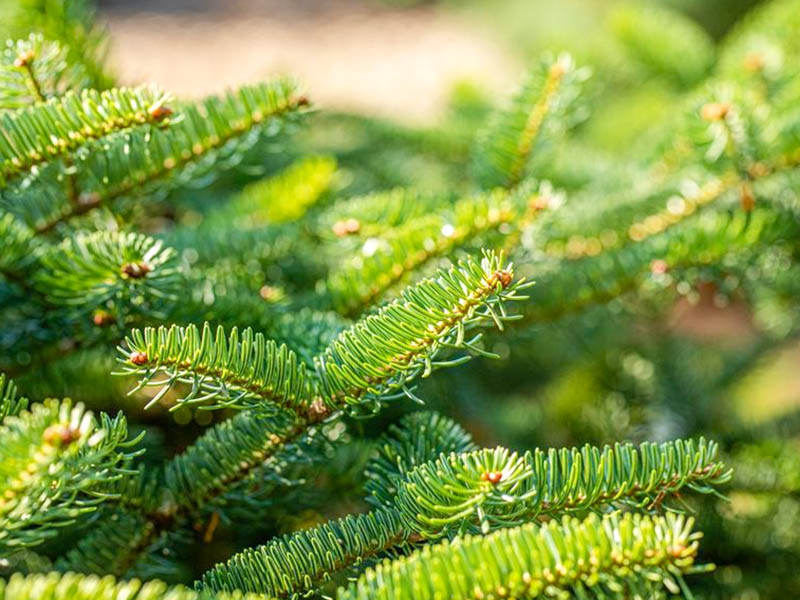
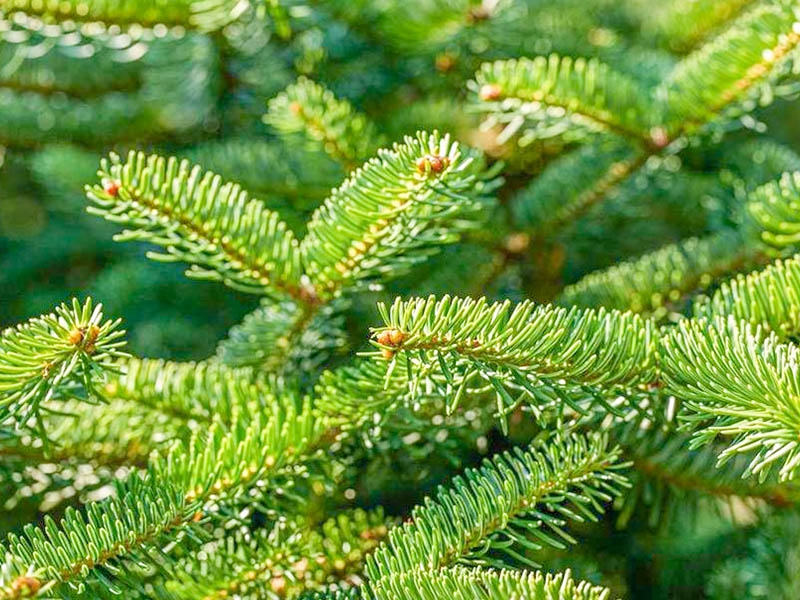
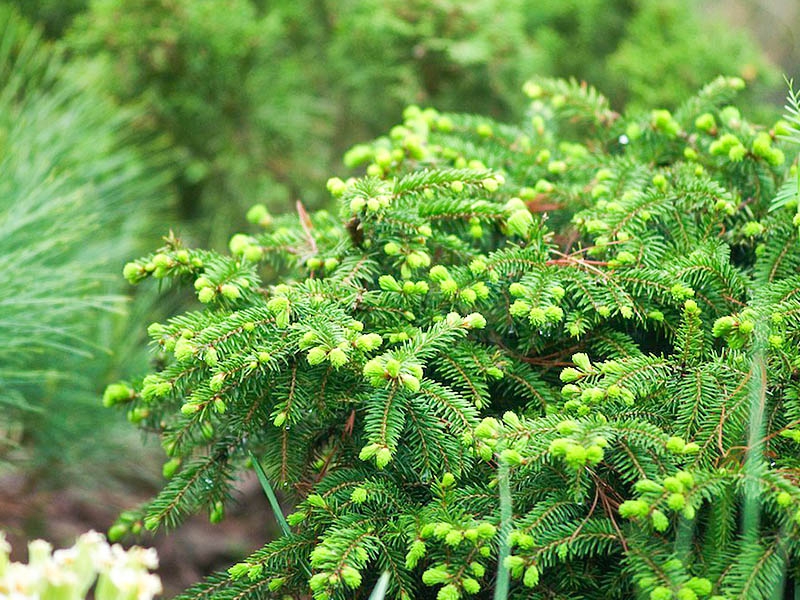
Growth Characteristics The 'Meyer's Dwarf' fir (Abies cephalonica) is a compact fir characterized by its small stature and slow growth. It generally reaches a maximum height of approximately 1 to 1.5 meters. This tree features dense, dark green needles and is suitable for gardens or small spaces. Propagation Methods The 'Meyer's Dwarf' is primarily propagated by grafting. Grafting requires skilled technique and is best performed in the spring when growth is optimal. Propagation by seeds is also possible, but this process is time-consuming and may result in various variations. Cultivation Methods This plant prefers well-drained soil and thrives in slightly acidic to neutral soil. An ideal location receives ample sunlight, and it is particularly recommended to plant it in a spot protected from strong winds. Watering must be controlled, as overwatering can lead to root rot. Use in Gardens Due to its small size and unique shape, the 'Myers Dwarf' is suitable as a centerpiece for garden borders or flower beds. It can also be used in public or commercial landscaping, and can be planted in containers to create grooming-style landscaping. Important Pests and Control Methods While this plant is generally resistant to pests, it may be susceptible to damage from aphids or conifer leafhoppers. Regular observation is necessary to prevent this, and if problems arise, appropriate insecticides can be used for control. To prevent fungal infections, it is important to plant in a well-ventilated location and to avoid overwatering.
Plant Type
Plant Family
Pine family
Height
30~60cm
Spread
120~150cm
Colors
green
Bloom Period
March to August
Water Needs
commonly
Exposure
Sunny
Freezing Resistance
-20°C
Parju fir
Abies fraseri
Cephalonica fir
Abies cephalonica