English
한국어
English
Español
中文
हिंदी
Home
News
Community
Dictionary
English
한국어
English
Español
中文
हिंदी
View list
Avronia Fragrance
Abronia fragrans
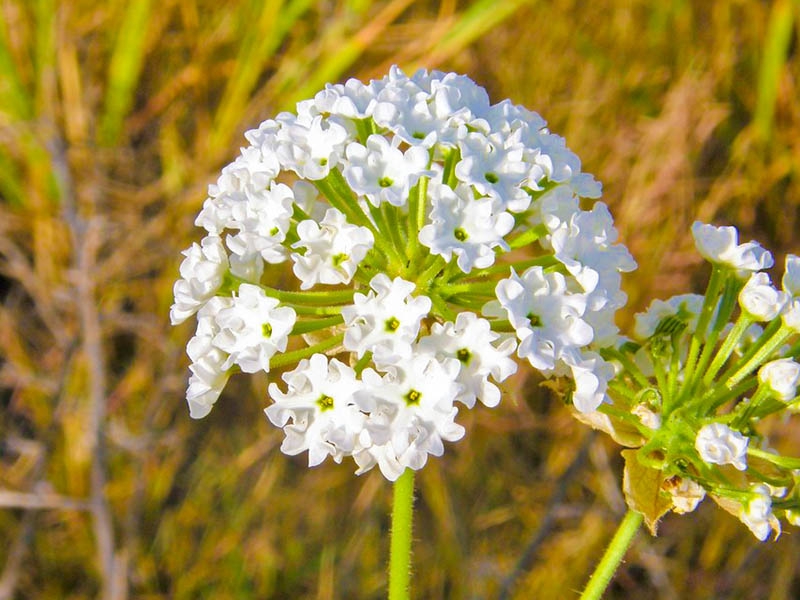
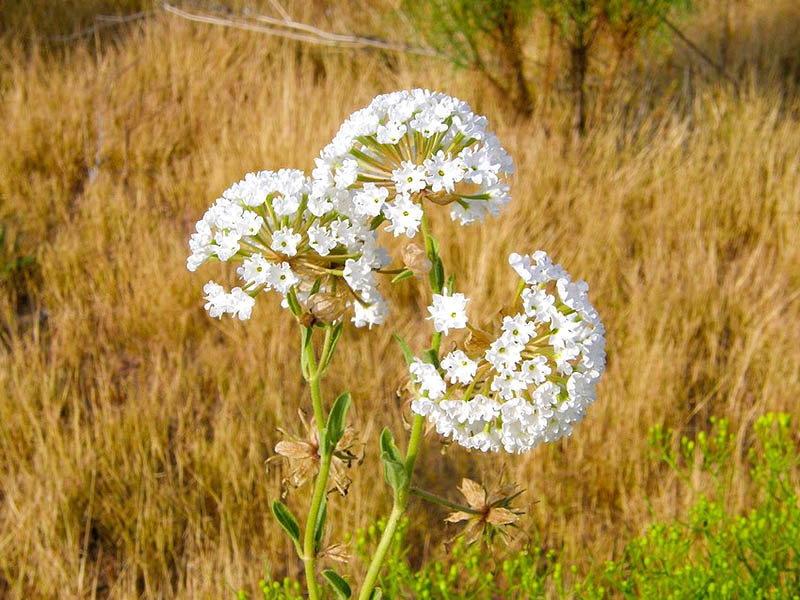
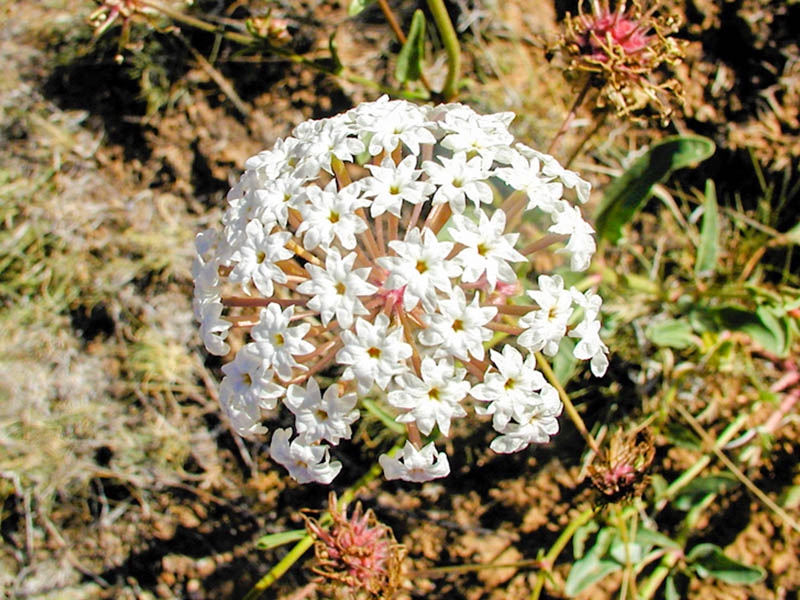
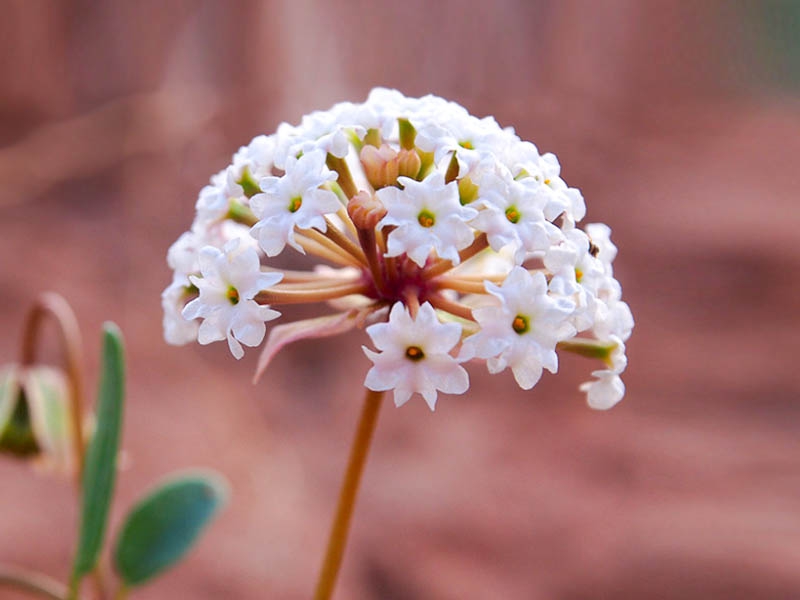
Abronia fragrans is a perennial herbaceous plant native to North America that thrives primarily in dry, sandy soils. Growth Characteristics- Environment: It grows well in sunny locations and adapts relatively well to other conditions. - Soil: It prefers well-drained sandy soil. - Water: It likes dry environments, so it is important to avoid overwatering. - Flowers: Fragrant white or light pink flowers bloom from summer to early autumn. Propagation Methods- Seeds: This is the most common method of propagation; seeds are sown indoors in the spring or directly outdoors after the last frost. - Cuttings: It can also be propagated by taking stem cuttings, but the success rate may be somewhat lower. Cultivation Methods- Planting: Typically, sprouts are germinated indoors in the spring and planted outdoors after the last frost. - Care: After planting, be careful not to overwater, and it is best to grow it in soil that is not excessively fertile. Garden Uses - It can be used as a ground cover in gardens or rock gardens, and due to its fragrant flowers, it is particularly useful in gardens where scent is needed. Important Pests and Control Methods - Diseases: There are almost no specific diseases, but root rot may occur if the soil is overwatered. - Control: Ensure good drainage and be careful not to water more than necessary. - Pests: Aside from common garden pests, they are not a major issue. - Control: If caterpillars or insects are found, control them using soapy water or eco-friendly insecticides. This plant is relatively easy to care for, making it suitable for gardening beginners. If provided with the optimal environment, you can enjoy its beautiful flowers and fragrance.
Plant Type
Plant Family
Mirabilis family
Height
30~90cm
Spread
30~90cm
Colors
white
Bloom Period
April to September
Water Needs
Bad
Exposure
semi-shaded area
Freezing Resistance
-5°C
Avronia latifolia
Abronia latifolia
Hongdu
Abrus precatorius