English
한국어
English
Español
中文
हिंदी
Home
News
Community
Dictionary
English
한국어
English
Español
中文
हिंदी
View list
Oh my
Abutilon theophrasti
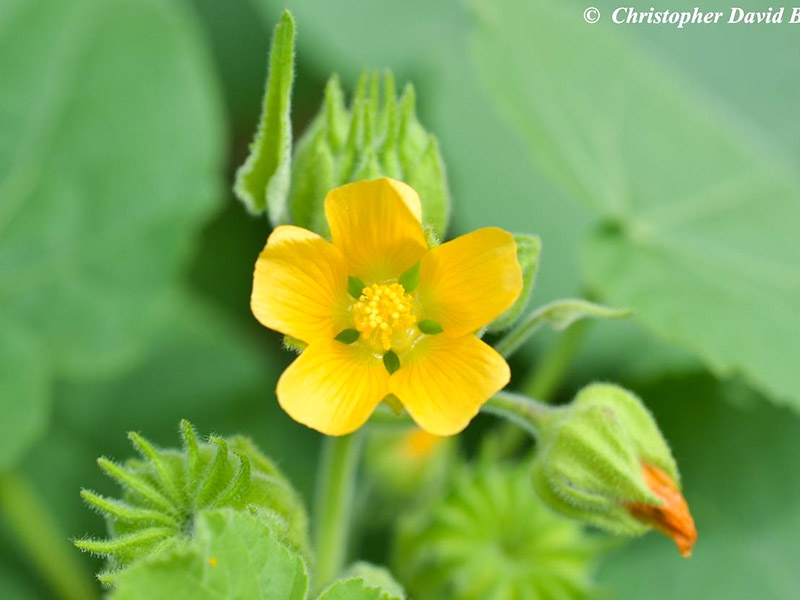
Abutilon theophrasti is an annual plant belonging to the Malvaceae family that thrives primarily in warm, humid environments. The following describes the plant's growth characteristics, propagation methods, cultivation practices, garden uses, and major pests and diseases, as well as control methods. - Growth Characteristics: - Height: Mature plants typically grow up to 1–2 meters. - Leaves: Large, heart-shaped leaves with the undersides covered in a few hairs. - Flowers: Yellow flowers bloom in the summer, with each flower having five petals. - Propagation Methods: - Seed Propagation: Propagated by seeds. The seeds are sensitive to light and germinate well when exposed to a surface. - Both self-pollination and cross-pollination are possible. - Cultivation Methods: - Sowing: In the spring, when temperatures rise, you can sow seeds directly in the field or grow seedlings. - Soil: It grows well in well-drained, fertile soil. - Water Management: It prefers a wet environment, but caution is required as excessive watering can cause root rot. - Uses in the Garden: - It is primarily cultivated for medicinal purposes or for the production of natural fibers. - It can also be used for ornamental purposes due to its abundant foliage and flowers. - Major Pests and Control Methods: - Major Diseases: Powdery mildew and leaf blight may occur. To prevent this, maintain planting distances to ensure good ventilation and use appropriate fungicides if necessary. - Major Pests: It can be damaged by various pests, such as aphids and moths. Observe the leaves frequently to detect pests early and control them using appropriate insecticides. The Japanese sedge is a relatively easy plant to care for and can be cultivated for various purposes. However, periodic care and inspection are required as there may be competition with surrounding plants.
Plant Type
Plant Family
Hibiscus family
Height
1.5m
Spread
Colors
yellow
Bloom Period
July to September
Water Needs
commonly
Exposure
Sunny
Freezing Resistance
-15°C
Gyeolcho
Abrus cantoniensis
Brazilian abutillon
Abutilon megapotamicum