English
한국어
English
Español
中文
हिंदी
Home
News
Community
Dictionary
English
한국어
English
Español
中文
हिंदी
View list
Bailia acacia
Acacia baileyana
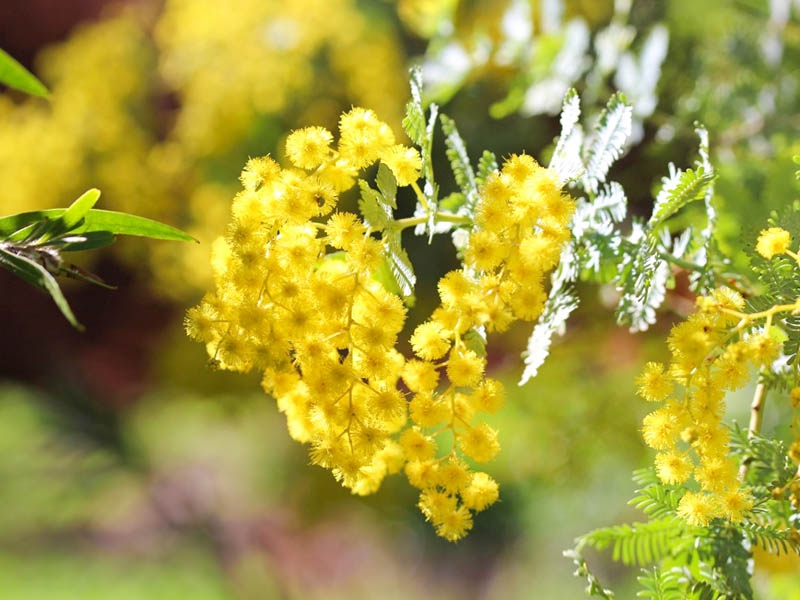
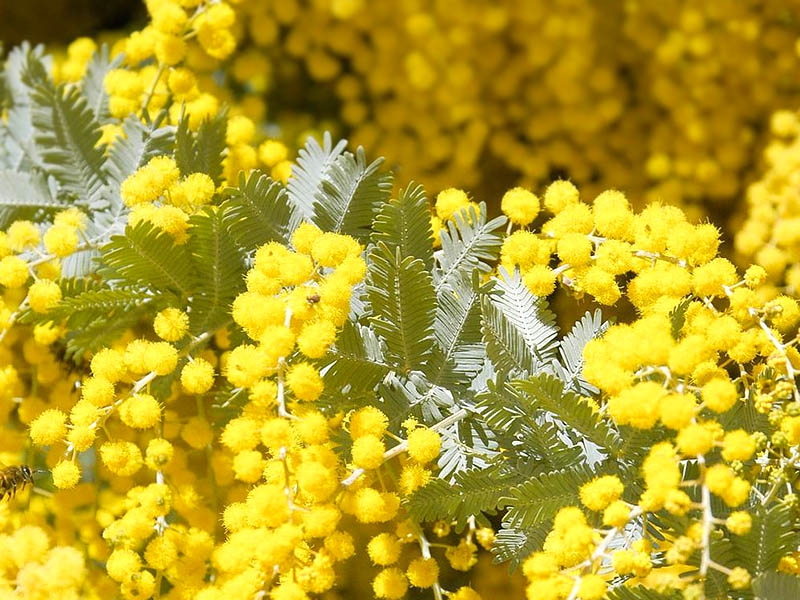
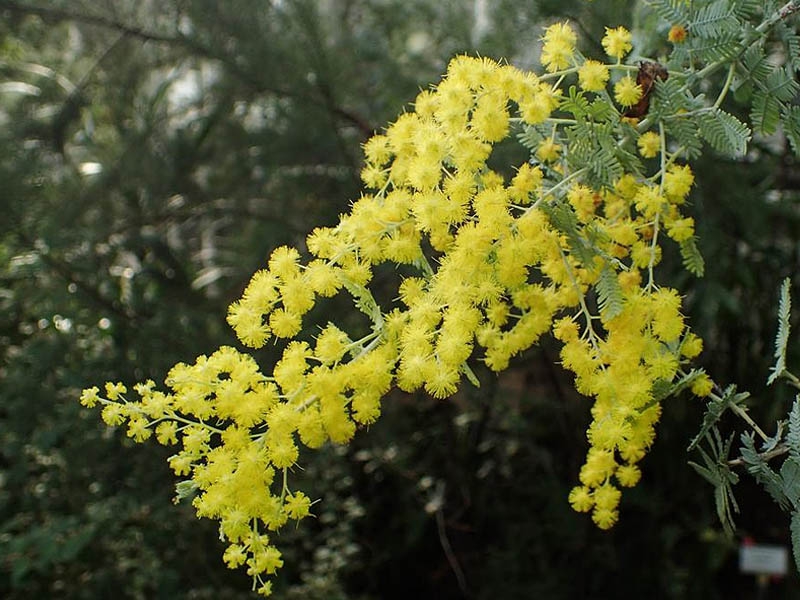
Acacia baileyana (scientific name: Acacia baileyana) is an evergreen belonging to the legume family, growing as a small tree or a large shrub. It is primarily native to the New South Wales region of Australia and is famous for its finely divided leaves and yellow flower clusters. The following covers the growth characteristics, propagation methods, cultivation methods, garden uses, and major pests and diseases and control methods of Acacia baileyana. Growth Characteristics - Height and Width: It grows up to a height of 8 to 10 meters and a width of approximately 4 to 6 meters. - Leaves: The leaves are pinnate, silvery-gray in color, and arranged in opposite pairs. - Flowers: Yellow flower clusters bloom from winter to early spring and have a pleasant fragrance. - Environmental Tolerance: It is resistant to drought and frost; in particular, its strong frost tolerance allows it to thrive in various climatic conditions. Propagation Methods - Seed Propagation: Propagation using seeds is common. It is recommended to soak the seeds in hot water before sowing to increase the germination rate. - Grafting Propagation: Although rare, grafting can also be used, allowing you to obtain the desired variety more quickly. Cultivation Methods - Soil: It thrives in well-drained soil and prefers a pH range of slightly acidic to neutral. - Sunlight: It likes locations with plenty of sunlight; in shade, it may bloom less or fail to grow. - Watering: Water regularly in well-drained soil, but be careful not to overwater. - Fertilizer: It is recommended to use fertilizers containing nitrogen during the growing season. Uses in Gardens - Border Tree: Its rapid growth rate makes it suitable for planting as a hedge or boundary. - Landscaping: It is widely used for landscaping due to its natural shape and beautiful flowers. Major Pests and Control Methods - Diseases: Root rot or leaf blight may occur, and proper drainage management is important. - Pests: The plant may be damaged by aphids or moths, but these can be controlled through the regular use of insecticides. - Control Methods: If you prefer organic control, harmonious planting with adjacent plants and introducing beneficial insects can be helpful. Acacia vehicles are relatively easy to care for, and basic maintenance alone can add beauty to your garden. It is important to provide regular care and ensure the plant thrives in a suitable environment.
Plant Type
Plant Family
legumes
Height
6~9m
Spread
6~12m
Colors
yellow
Bloom Period
March to August
Water Needs
commonly
Exposure
Sunny
Freezing Resistance
-5°C
Acacia serrata
Acacia cultriformis
Podaliriipolia acacia
Acacia podalyriifolia