English
한국어
English
Español
中文
हिंदी
Home
News
Community
Dictionary
English
한국어
English
Español
中文
हिंदी
View list
sesame seeds
Acalypha australis
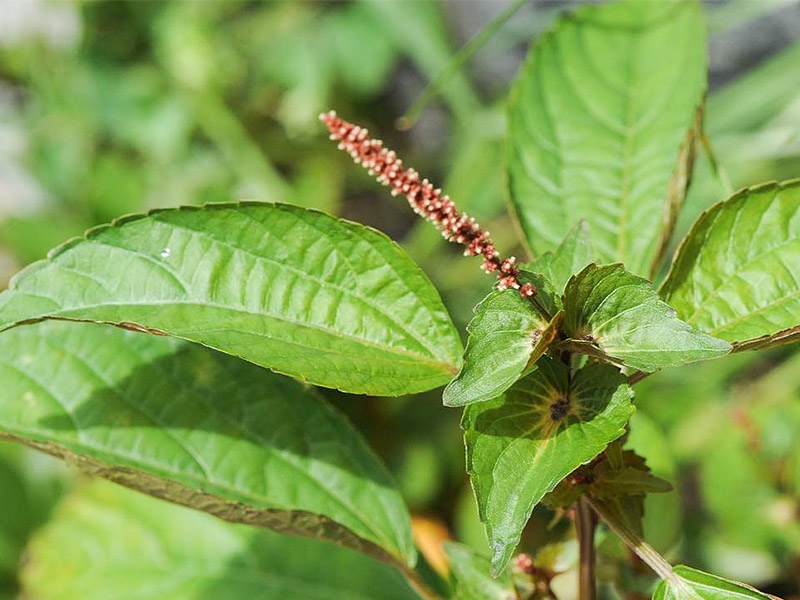
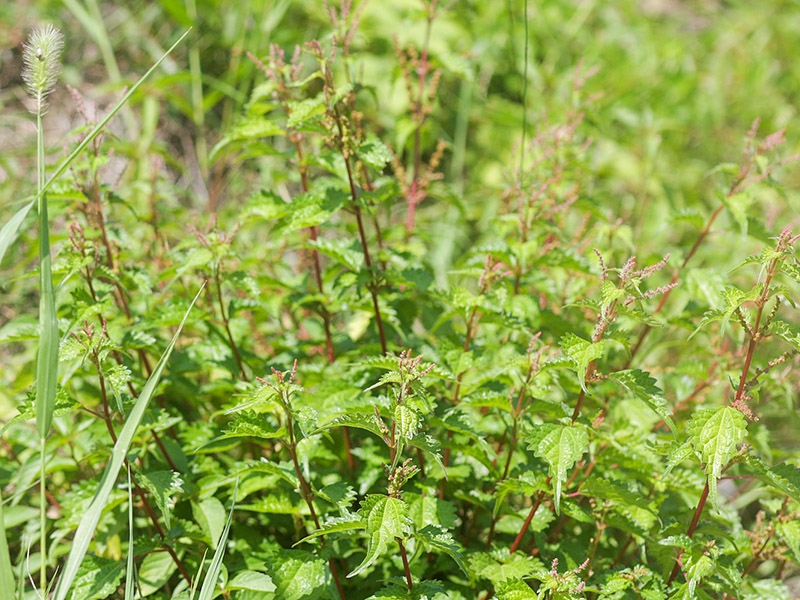
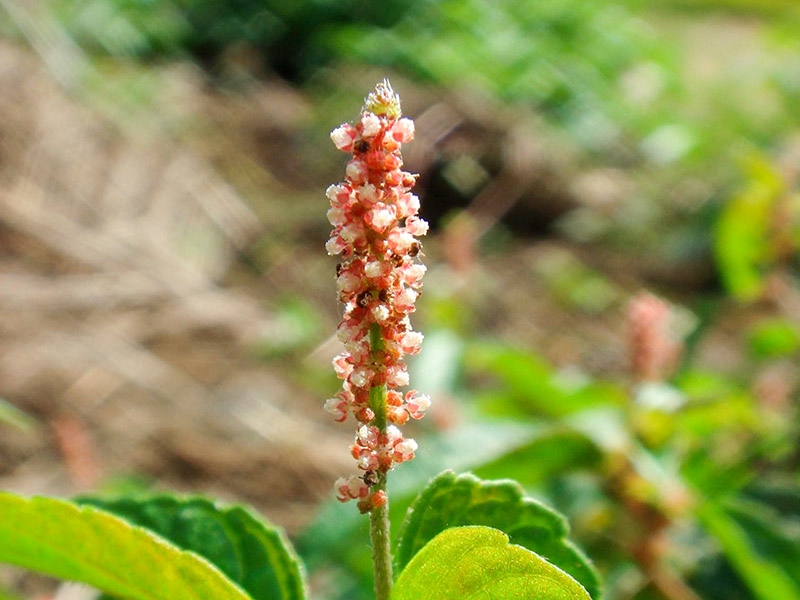
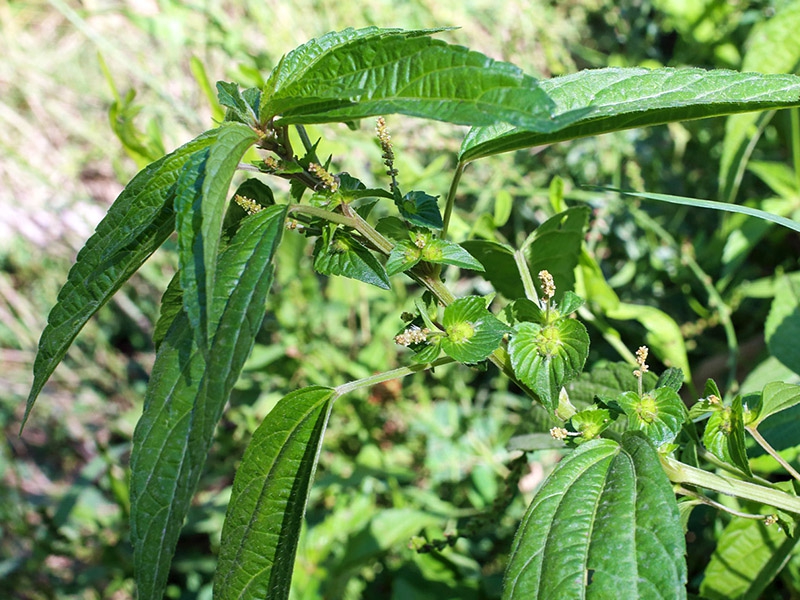
Acalypha australis is an annual herb native to Asia, including Korea. The following is information regarding the growth characteristics, propagation methods, cultivation methods, garden uses, and major pests and diseases, as well as control methods. Growth Characteristics - Appearance: Acalypha grows to a height of approximately 20–50 cm. Its leaves are long oval-shaped with serrated edges. The stems are covered in fine hairs and may appear green or have a reddish tint. - Environment: It thrives in sunny locations and is highly adaptable to various soil conditions. It grows particularly well in well-drained soil. - Growth Cycle: As an annual plant, it sprouts in the spring, grows in the summer, bears fruit in the autumn, and dies. Propagation Methods - Seeds: Acalypha primarily reproduces by seeds. After flowering, it bears fruit, and upon ripening, it releases seeds naturally. These seeds germinate in the spring if the temperature and humidity are suitable. Cultivation Method - Sowing Time: It is common to sow seeds in the spring. - Soil Preparation: Select well-draining soil, till it thoroughly before planting, and add organic fertilizer to supplement nutrients. - Care: Avoid watering too frequently, and keep the soil from becoming too dry, especially during the initial germination period. Uses in the Garden - Ornamental: Cotoneaster is primarily used for ornamental purposes. It can be easily grown in small gardens or pots, and its unique leaf shape and overall appearance add a distinctive touch to the garden. - Natural Garden: When used as part of a natural garden, it can enhance ecosystem diversity and serve as a habitat for various insects. Important Pests and Control Methods - Pests and Diseases: Cotoneaster is relatively resistant to pests and diseases, but it can contract fungal diseases if the leaves become excessively wet. It can also be damaged by small insects such as aphids. - Control Methods: - Water Management: To prevent fungal diseases caused by excessive moisture, avoid watering too frequently. - Organic Pest Control: To control insects such as aphids, use soapy water or vegetable oil, or utilize natural enemy insects (e.g., ladybugs). - Chemical Use: If necessary, you can control pests and diseases using approved pesticides. Through these management methods, you can grow healthy Gymnocalycium and enjoy it in your garden.
Plant Type
Plant Family
Euphorbia
Height
30~50cm
Spread
Colors
red, brown
Bloom Period
July to September
Water Needs
commonly
Exposure
Sunny
Freezing Resistance
-10°C
Akalifa Hispida
Acalypha hispida
Akalifa Reptans
Acalypha reptans