English
한국어
English
Español
中文
हिंदी
Home
News
Community
Dictionary
English
한국어
English
Español
中文
हिंदी
View list
Aster tataricus Chilense
Symphyotrichum chilense
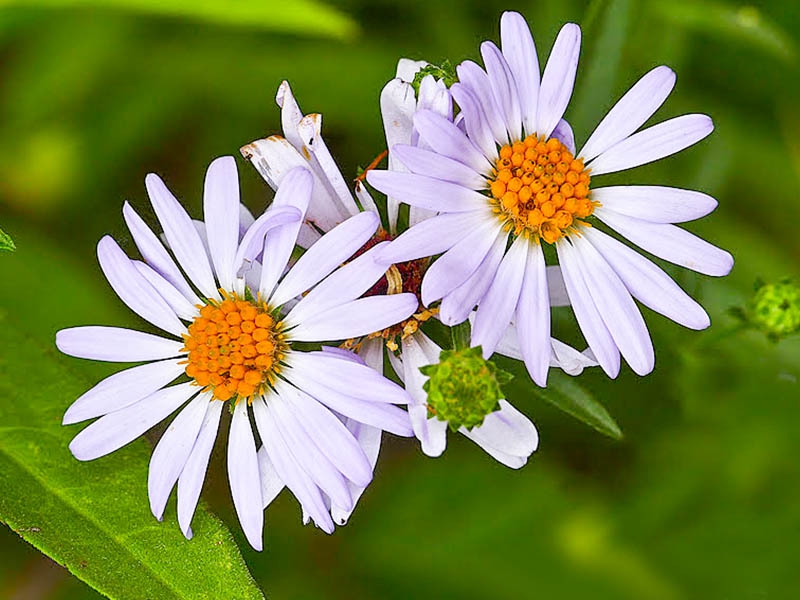
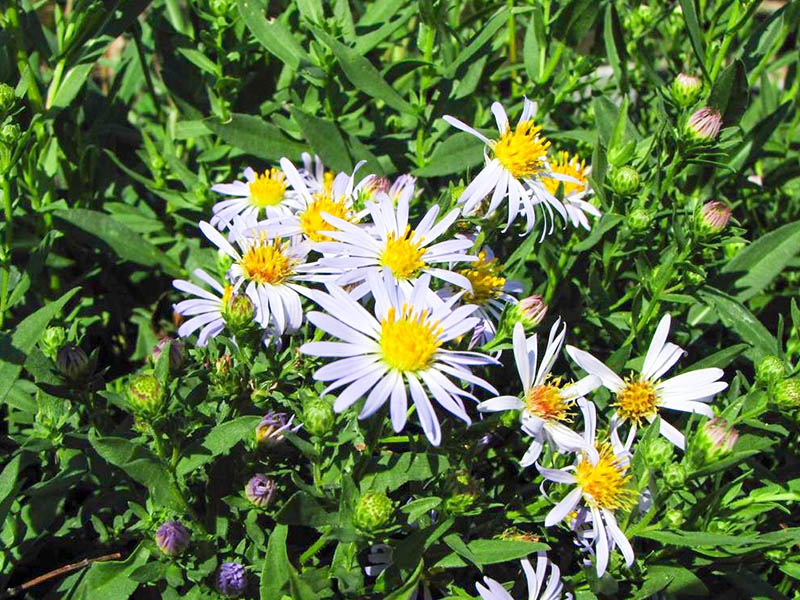
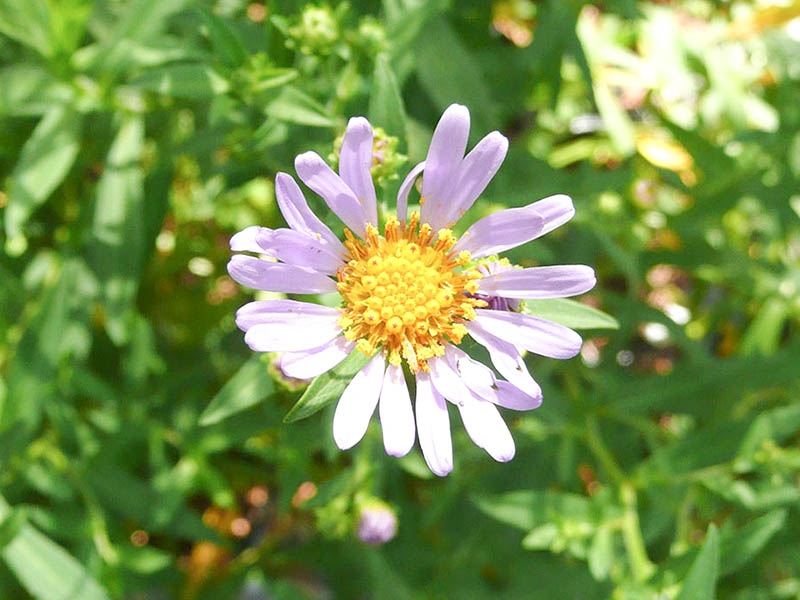
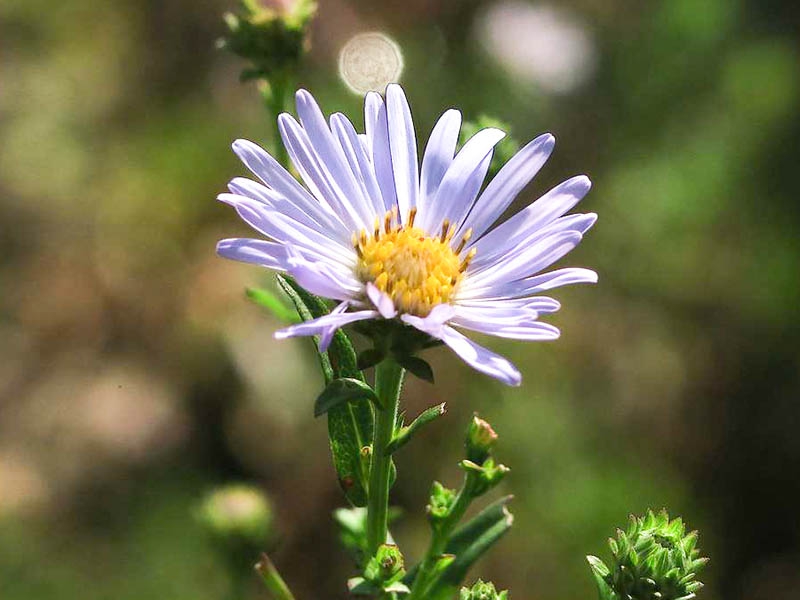
Symphyotrichum chilense is a perennial herbaceous plant native to the western coastal regions of North America. The following is information regarding this plant's growth characteristics, propagation methods, cultivation methods, garden uses, and major pests and diseases, as well as control methods. Growth Characteristics - Environmental Conditions: Symphyotrichum chilense thrives in sunny locations but can also grow in partial shade. It prefers well-drained soil and is highly adaptable to various soil conditions. - Growth Characteristics: It propagates via underground stems (rhizomes) and typically grows to a height of 30 to 90 cm. - Flowering Period: It blooms mainly between summer and autumn, with flowers in purple or pink colors. Propagation Methods - Seed Propagation: Seeds can be sown directly in the open ground in the spring or germinated indoors and then transplanted. - Rhizome Propagation: Divide underground stems and plant them in the growing area in the spring or autumn. - Propagation by Cuttings: You can propagate by cutting stems and planting them in a growing medium such as sand to encourage rooting. Cultivation Method - Soil Preparation: Prepare well-draining soil and enrich it by adding compost or fertilizer as needed. - Planting: In early spring or autumn, plant underground stems or cuttings at intervals of 30–45 cm. - Watering: Water regularly, but be careful not to overwater. Uses in the Garden - It is suitable for garden edges or rock gardens. - Since it blooms profusely, it is recommended to ensure sufficient space for photosynthesis. - As a plant that attracts bees and butterflies, it is excellent for use in ecological gardens. Important Pests and Diseases & Control Methods - Diseases: Fungal diseases such as pink blight may occur. This can be reduced by improving air circulation and adjusting watering schedules. - Pests: Pests such as aphids can be a problem. Pests can be eliminated by spraying vigorously with insecticidal soap or water. - Control Method: If pest infestations are severe, using organic insecticides or removing them manually is effective. Aster tataricus is a popular plant in home gardens because it is relatively easy to care for. It can adapt to various environments, making it a recommended choice even for gardening beginners.
Plant Type
Plant Family
Asteraceae
Height
30~120cm
Spread
60~90cm
Colors
purple
Bloom Period
July~August
Water Needs
commonly
Exposure
Sunny
Freezing Resistance
-10°C
Aster lanceolatum
Symphyotrichum lanceolatum
Aster tataricus turbinella
Symphyotrichum turbinellum