English
한국어
English
Español
中文
हिंदी
Home
News
Community
Dictionary
English
한국어
English
Español
中文
हिंदी
View list
Acanthus 'White Water'
Acanthus molli
'Whitewater'
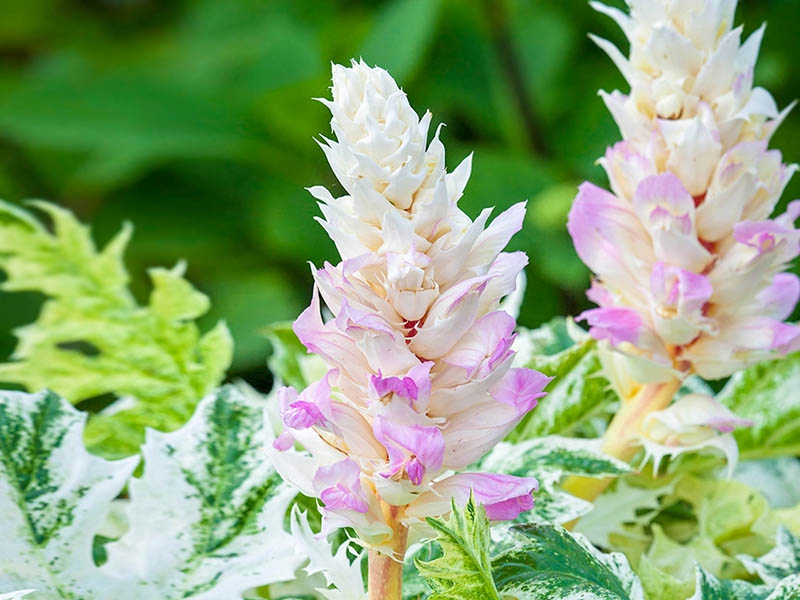
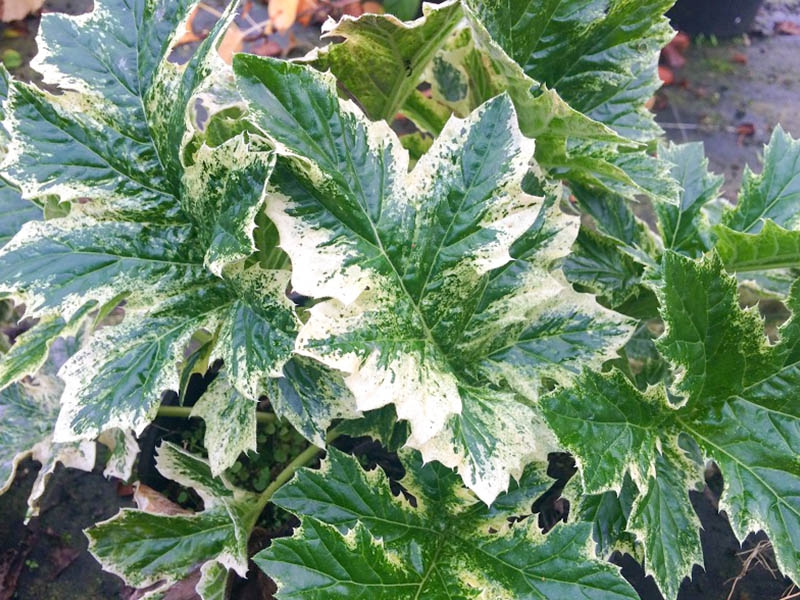
Acanthus mollis 'Whitewater' is a plant well-known for its unique leaf patterns and showy flowers. The following is information regarding this plant's growth characteristics, propagation methods, cultivation methods, garden uses, and pest and disease control methods. Growth Characteristics - Size: It typically grows to a height of about 1 meter when mature and can spread over 1 meter in width. - Leaves: It is characterized by large leaves with patterns of mixed blue and white. The leaves are very thick and textured, making them excellent for garden decoration. - Flowers: Flowers usually bloom in the summer and appear in a mixed color of white and light purple. - Sunlight: It thrives in partial shade, and strong direct sunlight should be avoided. - Soil: It grows well in well-drained soil and prefers soil mixed with a small amount of organic matter. Propagation Methods - Seed Propagation: Propagation by seeds is possible, but it may take time for young seedlings to establish. It is recommended to sow in the spring. - Root Division: Root division is the most common method of propagation and is best performed in early spring before the growing season begins. Cultivation Methods - Planting: Planting in early spring or autumn is ideal. Care must be taken to prevent the roots from drying out. - Watering: Generally, it requires a moderate amount of water; care should be taken to avoid overwatering. It is best to water only after confirming that the soil is dry. - Fertilizer: Apply an appropriate amount of general fertilizer in the spring. Garden Uses - Landscaping: Due to its showy leaves and flowers, it is well-suited as a focal point or border plant in the garden. - Background Plant: It blends well with other plants and can be used as a background plant, especially in shady gardens. Important Pests and Control Methods - Diseases: Root rot caused by overwatering can be a problem, so attention must be paid to drainage. - Pests: Common garden pests, such as aphids or snails, may be present. - Aphids: Spraying with soapy water or using natural predators are effective methods for removal. - Snails: You can remove them physically or use snail attractants. As such, Acanthus 'Whitewater' is relatively easy to care for, but it is important to provide a suitable environment. With careful management, you can create a very beautiful garden.
Plant Type
Plant Family
Rat-tail grass
Height
90~120cm
Spread
60~90cm
Colors
white
Bloom Period
June~July
Water Needs
commonly
Exposure
Sunny
Freezing Resistance
-10°C
Acanthus hongaricus
Acanthus hungaricus
Acanthus Spinosus
Acanthus spinosus