English
한국어
English
Español
中文
हिंदी
Home
News
Community
Dictionary
English
한국어
English
Español
中文
हिंदी
View list
mountain ash tree
Acer tegmentosum
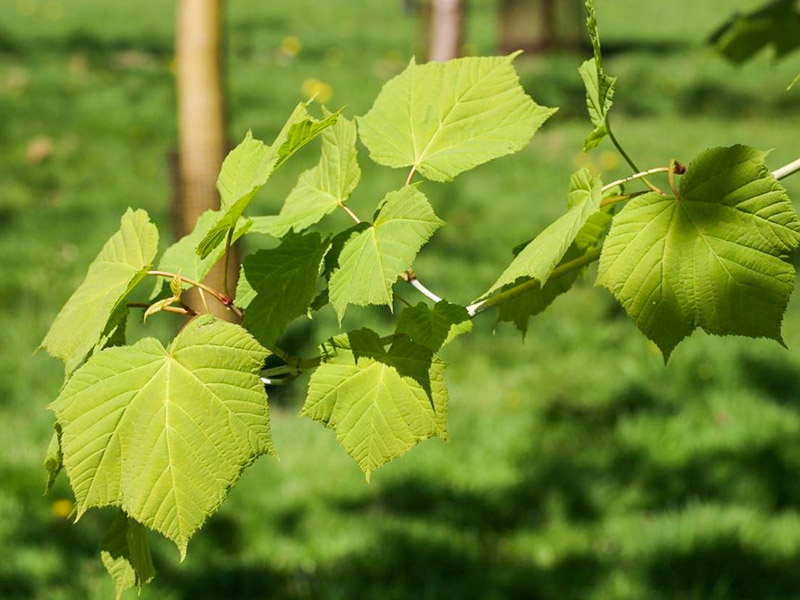
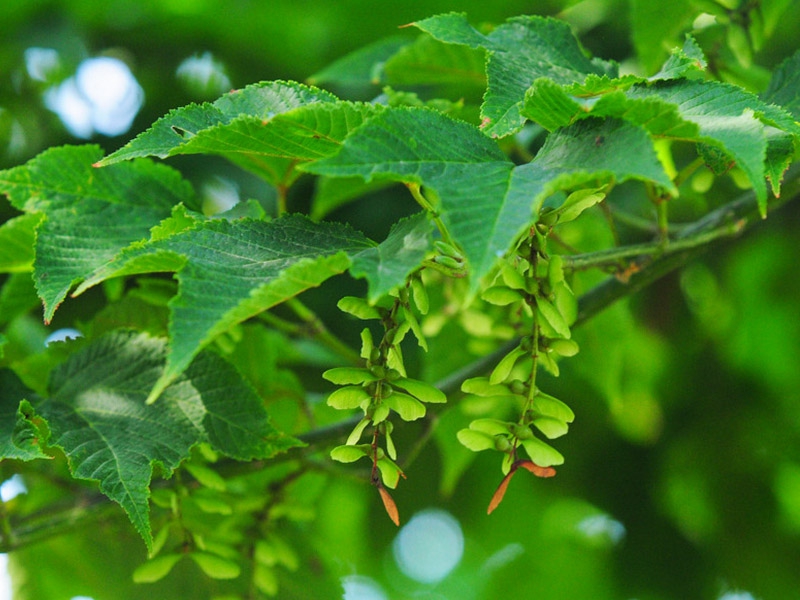
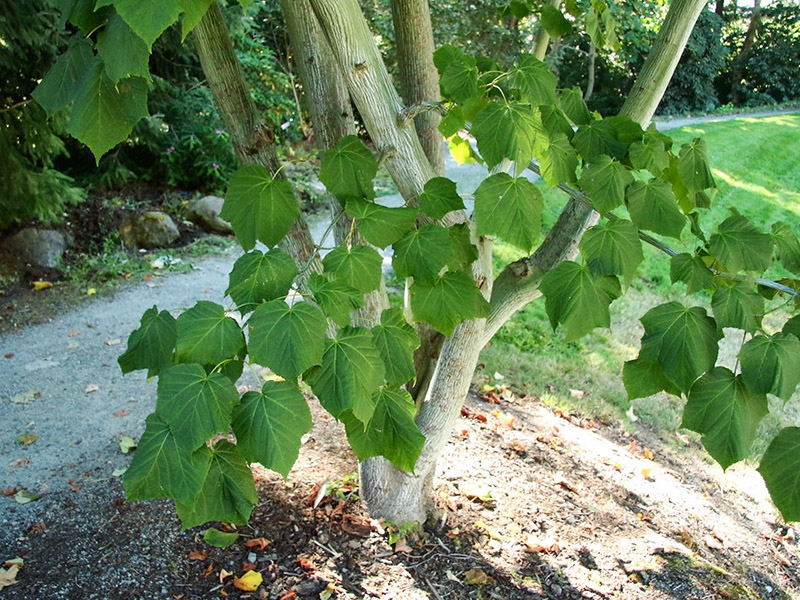
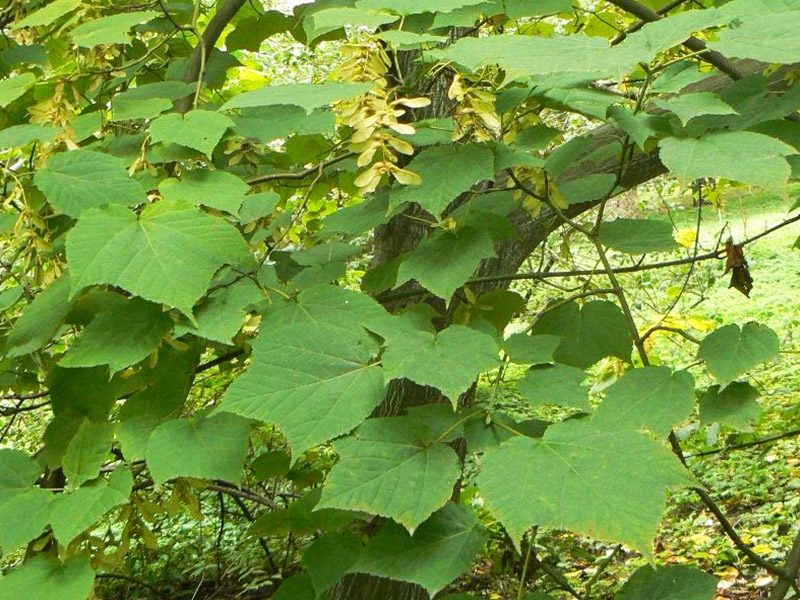
Growth Characteristics of Acer tegmentosum Acer tegmentosum is a deciduous tree native to Korea, China, Russia, and other regions. It thrives primarily in mid-to-high altitudes in mountainous areas and can grow up to 15 meters tall. The leaves are generally arranged alternately and possess 3 to 5 palmate lobes. They are green in spring and turn mostly yellow in autumn. Propagation Methods Acer tegmentosum is primarily propagated by seeds. The seeds ripen in autumn and germinate after undergoing secondary maturation in natural conditions. For artificial propagation, the germination rate can be increased by collecting seeds and subjecting them to winter cooling treatment. Propagation is also possible through cuttings. Cuttings are taken from new branches in early summer. Cultivation Methods Acer tegmentosum grows well in well-drained soil. While it prefers sunlight, it tolerates some shade. It is recommended to check the soil pH before planting and cultivate it in neutral or slightly acidic soil. Caution is required as the plant may contract root rot in poorly drained soil. Regular watering is necessary in dry environments. Uses in the Garden The Korean maple is a large tree that provides shade, making it suitable for gardens. In particular, the beautiful color changes of its leaves in autumn add splendor to the garden. In the garden, it can be planted alone or arranged alongside other trees to create a landscape. Major Pests and Control Methods Although the Korean maple is relatively resistant to pests and diseases, the following issues may arise if they occur: - Mold: This can occur in humid environments; it is important to improve soil drainage and ensure good ventilation by maintaining appropriate spacing. - Aphids: Aphids can damage leaves and stems; to control them, one can wash the leaves with soapy water or consider natural control using natural predators. - Root Rot: This can occur in poorly drained soil; therefore, selecting well-drained soil and avoiding excessive watering is crucial for prevention. In the event of an outbreak, damaged roots can be removed and fungicides can be used. Although the Korean maple is a relatively easy tree to manage, problems may arise depending on the environment, so regular observation and proper care are required.
Plant Type
Plant Family
Maple family
Height
10~15m
Spread
Colors
white
Bloom Period
May
Water Needs
commonly
Exposure
Sunny
Freezing Resistance
-30°C
Bokjagi
Acer triflorum
Silver maple
Acer saccharinum