English
한국어
English
Español
中文
हिंदी
Home
News
Community
Dictionary
English
한국어
English
Español
中文
हिंदी
View list
Japanese maple
Acer pseudosieboldianum
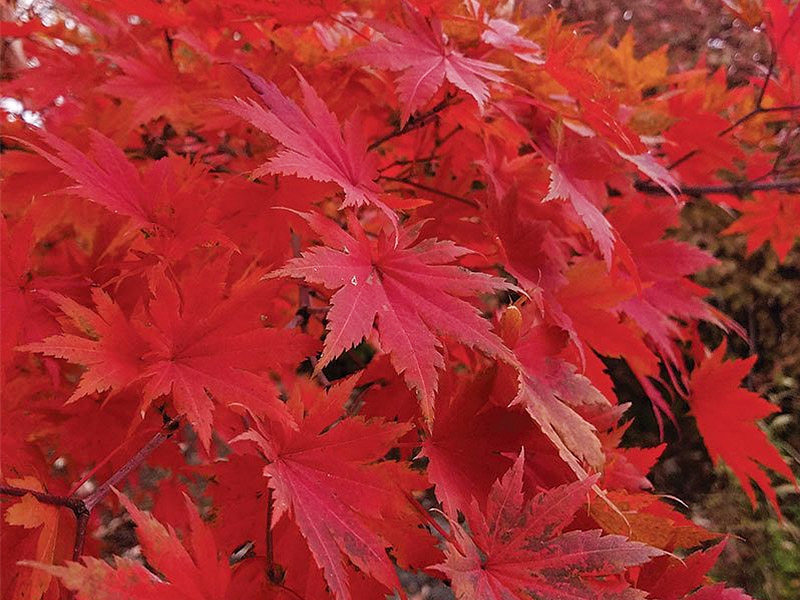
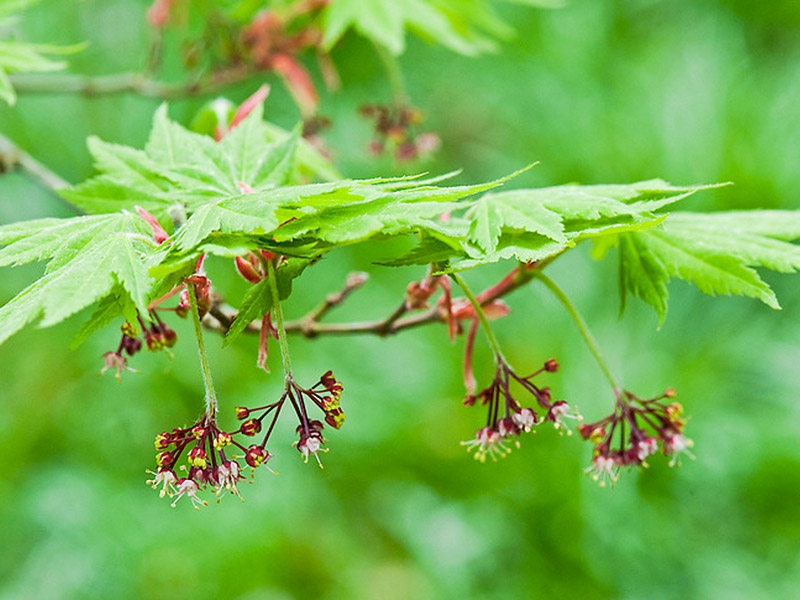
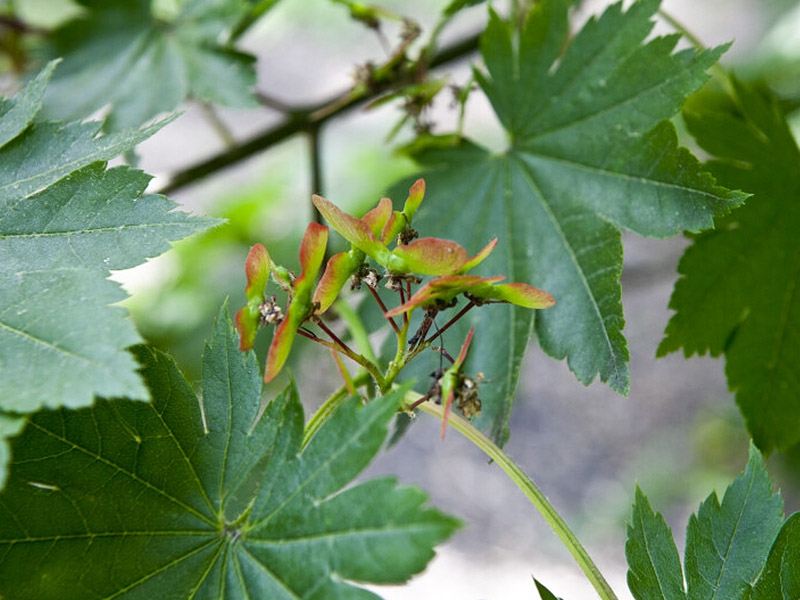
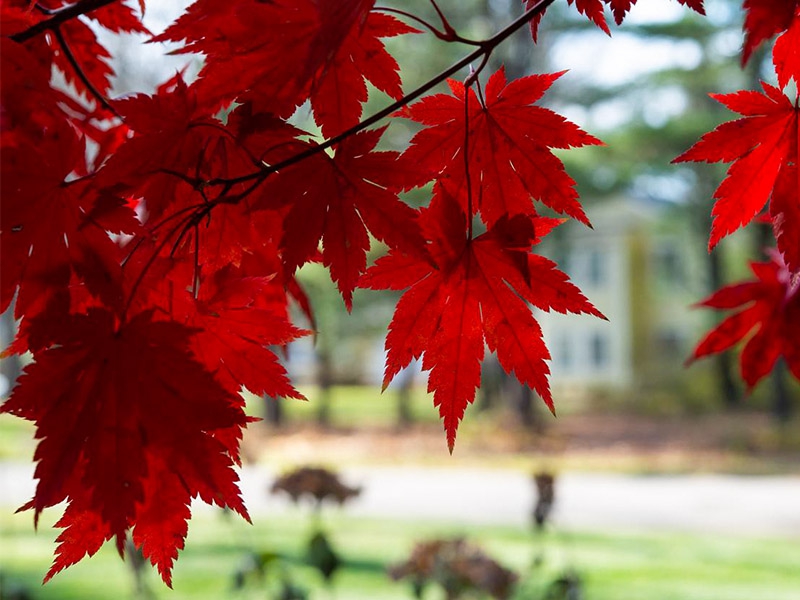
Acer pseudosieboldianum is widely used in gardens and landscaping due to its beautiful autumn colors and cold hardiness. The following is information regarding this tree's growth characteristics, propagation methods, cultivation methods, garden uses, major pests and diseases, and control methods. Growth Characteristics - Environment: It thrives primarily in temperate climates and can grow in various soil conditions, but prefers well-drained soil. It grows well in partial shade, but displays better color when exposed to sufficient sunlight. - Cold Hardiness: It is highly cold-hardy and can withstand cold winters. - Growth Rate: Its growth rate is moderate, and it reaches a height of approximately 5–10 meters upon maturity. Propagation Methods - Seed Propagation: Harvest mature seeds in the autumn, store them in the refrigerator, and sow them in the spring. To increase germination rates, they must undergo a period of cold conditions. - Cuttings: Healthy branches can be cut and propagated during the summer. Cultivation Methods - Planting: It is best to plant in spring or autumn. It is beneficial to mix sufficient organic matter into the soil before planting. - Watering: Water thoroughly during the initial establishment period, but once established, it grows well without special care. - Fertilizer: Generally, fertilizer requirements are low; however, if necessary, using slow-release fertilizer in late winter or early spring is recommended. Utilization in Gardens - Landscaping: Primarily planted for ornamental purposes, it is used in various locations such as gardens, parks, and as street trees. - Arrangement: It enhances the landscape by utilizing its unique form and color. Important Pests and Diseases & Control Methods - Diseases: Diseases such as fungal diseases may occur. To prevent this, plant in well-ventilated areas and manage the plant so that leaves do not remain wet for extended periods. - Pests: Sap-sucking pests such as aphids and moths may occur. In such cases, eco-friendly insecticides can be used. - Control: Preventive measures include regular observation, and it is important to take timely control measures if damage appears. Japanese maple trees in the garden enhance aesthetic value by offering a variety of colors according to seasonal changes. Maintain healthy and beautiful trees through proper care and pest control activities.
Plant Type
Plant Family
Maple family
Height
8m
Spread
Colors
red
Bloom Period
May
Water Needs
commonly
Exposure
Sunny
Freezing Resistance
-30°C
Silver maple
Acer saccharinum
Maple tree
Acer palmatum