English
한국어
English
Español
中文
हिंदी
Home
News
Community
Dictionary
English
한국어
English
Español
中文
हिंदी
View list
Sidak tree
Acer komarovii
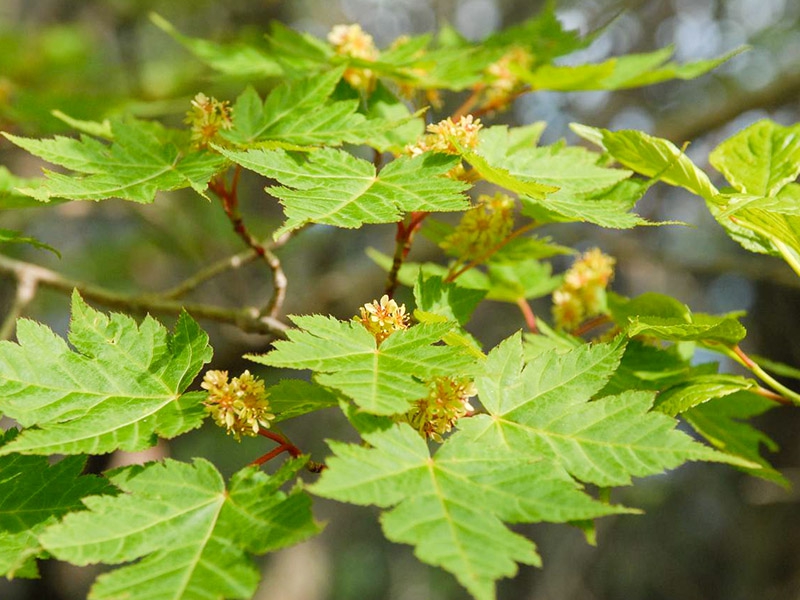
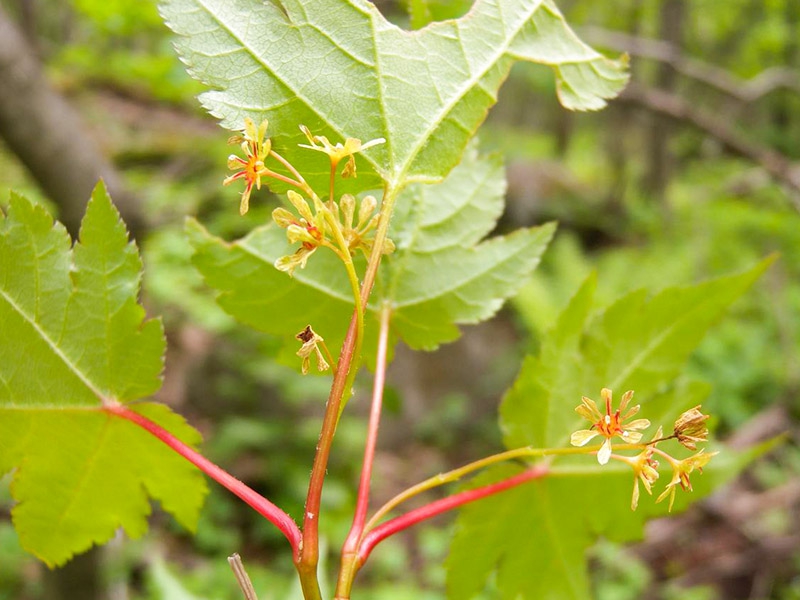
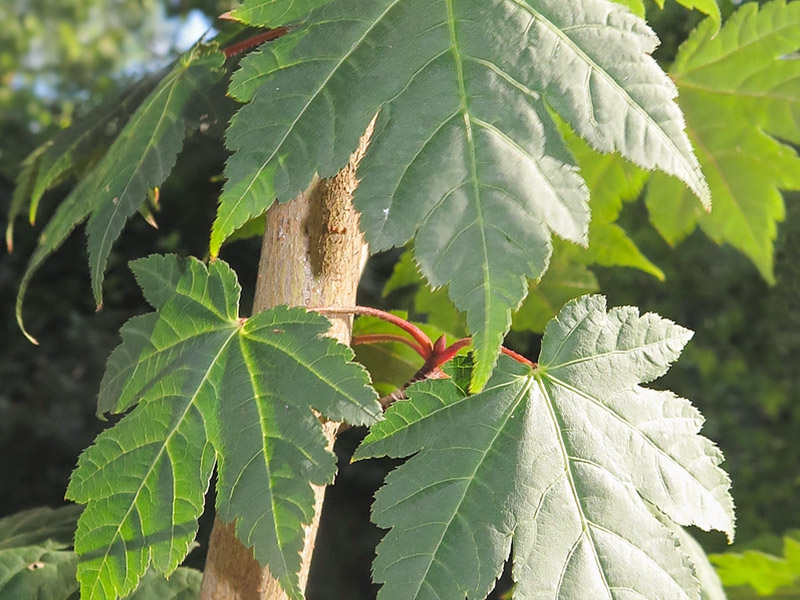
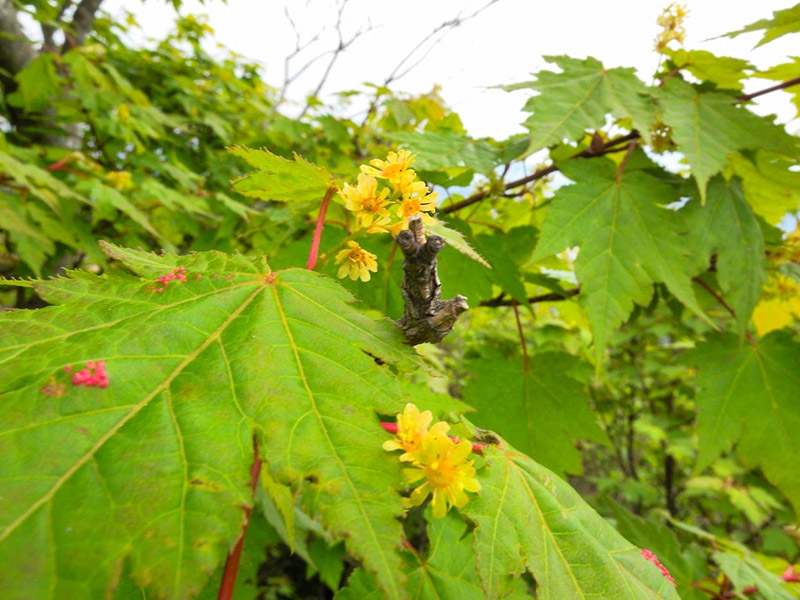
Acer komarovii is a deciduous tree native primarily to Korea, China, and parts of Russia. The following is information regarding the growth characteristics, propagation methods, cultivation methods, garden uses, and major pests and diseases, as well as control methods. Growth Characteristics - Growth Environment: Acer komarovii thrives mainly in temperate climates and prefers fertile, well-drained soil. It grows healthier in sunny locations. - Height and Width: The maximum height is approximately 10 to 15 meters, and the width is about 5 to 8 meters. - Leaves and Flowers: The leaves are palm-shaped and showy green, turning a beautiful red in autumn. The flowers bloom in spring and are pale green or yellow. Propagation Methods - Seed Propagation: This is the most common method of propagation; mature seeds are collected in autumn and sown the following spring. It is recommended to undergo a cold period before sowing to break dormancy. - Propagation by Cuttings: It can also be propagated by taking cuttings of soft branches during the summer. Cultivation Methods - Soil Management: Improve soil drainage and provide nutrients by applying organic fertilizer. - Watering: Provide sufficient water during the early growing season and in drought conditions, but be careful not to overwater. - Pruning: In late winter or early spring, prune branches appropriately to shape the plant and improve ventilation. Uses in Gardens - The Japanese Styrax is widely used as a garden tree due to its beautiful leaves and spectacular autumn foliage. It is also commonly seen as a street tree in urban areas or in parks. Important Pests and Control Methods - Diseases: The Japanese Styrax can contract leaf blight and sclerotinia rot. To prevent this, it is important to maintain good ventilation and remove infected leaves. - Pests: It may be attacked by pests such as aphids. For control, utilize natural enemies or apply appropriate pesticides as necessary. - Preventive measures: Regular pruning and hygiene management can minimize the occurrence of pests and diseases. The Japanese quince is a relatively easy tree to care for, making it suitable for planting and tending in the garden. Based on the information above, try growing a healthy Japanese quince.
Plant Type
Plant Family
Maple family
Height
7m
Spread
Colors
green
Bloom Period
June
Water Needs
commonly
Exposure
Sunny
Freezing Resistance
-30°C
Clothing tree
Acer mandshuricum
Shinamu
Acer tataricum subsp. ginnala