English
한국어
English
Español
中文
हिंदी
Home
News
Community
Dictionary
English
한국어
English
Español
中文
हिंदी
View list
Autumn foliage of the Jajune Islands
Acer negundo
var.
violaceum
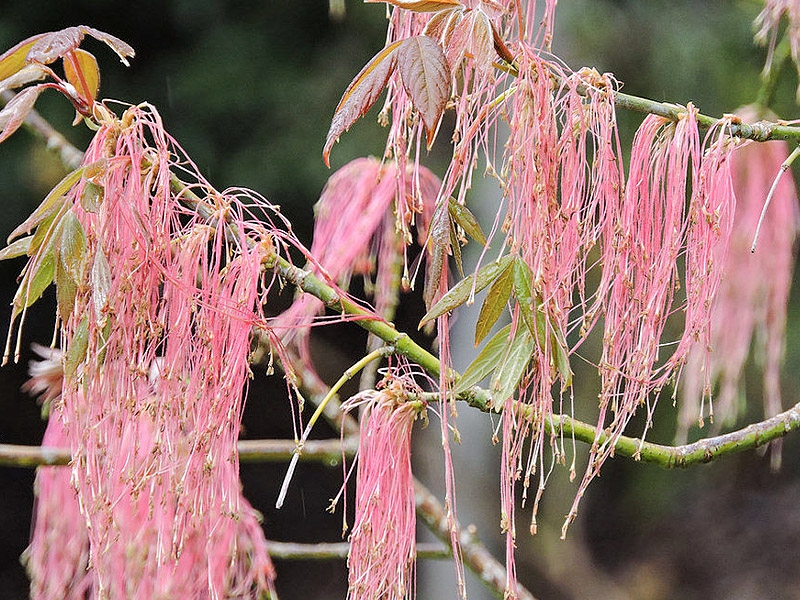
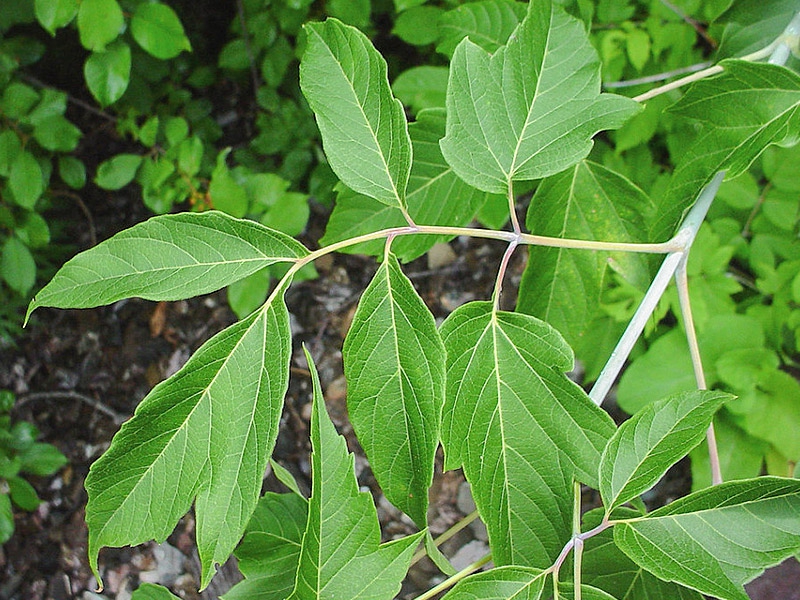
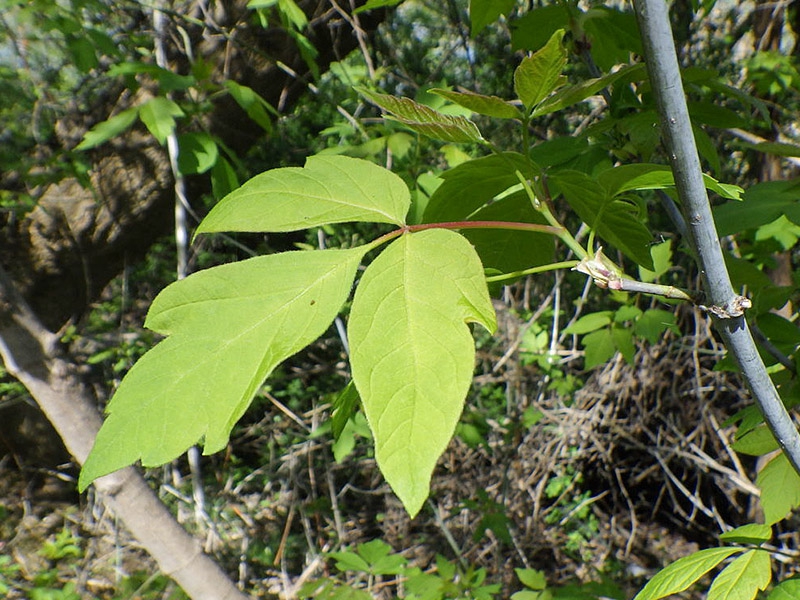
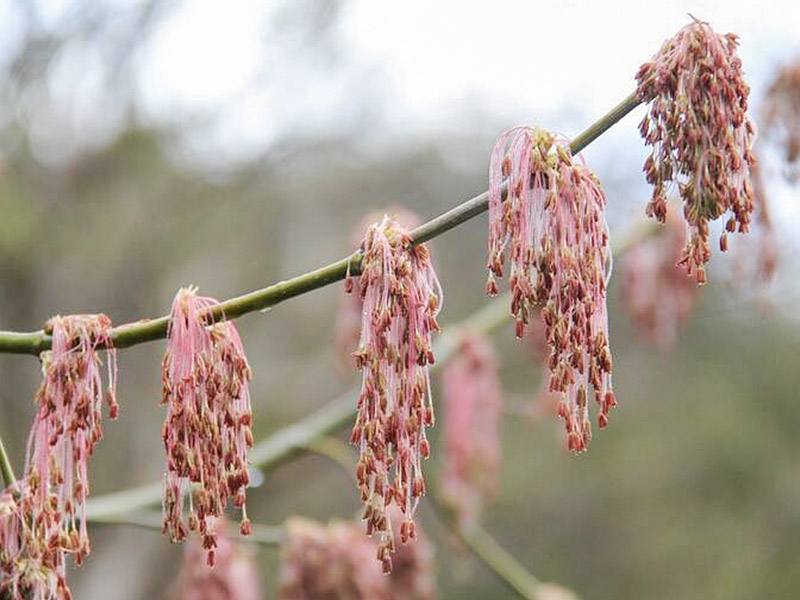
Acer negundo var. violaceum is a deciduous shrub or small tree found in the wild, thriving primarily in moist areas or along riverbanks. The following is information regarding the growth characteristics, propagation methods, cultivation methods, garden uses, and major pests and diseases, as well as control methods. Growth Characteristics - Growing Environment: It can adapt to a variety of environments, ranging from full sun to partial shade. While it prefers moisture, it thrives in well-drained soil. - Height and Crown: It grows up to 3 to 10 meters tall, and its crown spreads relatively widely. Propagation Methods - Seed Propagation: Collect mature seeds in the autumn and sow them immediately, or store them in a box, refrigerate them during the winter, and sow them in the spring. - Cutting Propagation: You can attempt cuttings using semi-hardy branches in the summer or mature branches in the autumn. Cultivation Methods - Soil Preparation: It thrives in fertile soil containing sufficient organic matter. Drainage should also be considered. - Watering: Sufficient watering is required during the initial establishment period, but mature trees can tolerate relatively dry conditions. - Fertilization: It is recommended to apply an appropriate amount of slow-release fertilizer in spring and autumn. Uses in Gardens - Landscape Tree: It is used as a primary ornamental tree in gardens and parks. Its unique leaf color, in particular, enhances its value as a landscape tree. - Windbreaks and Riverbanks: It is suitable for planting as a windbreak to prevent soil erosion or along riverbanks. Major Pests and Diseases and Control Methods - Diseases: Common diseases include powdery mildew and anthracnose. Proper environmental management and periodic pesticide application are effective for prevention and control. - Pests: Leaf-eating pests include aphids and cutworms. Upon early detection, they can be removed manually or treated with eco-friendly insecticides. With proper care and attention, the Japanese maple is a plant that can make a significant contribution to gardens and landscaping with its beautiful colors.
Plant Type
Plant Family
Maple family
Height
20m
Spread
Colors
pink
Bloom Period
april
Water Needs
commonly
Exposure
Sunny
Freezing Resistance
-30°C
Flowering autumn leaves
Acer pycnanthum
Hairy maple
Acer pictum