English
한국어
English
Español
中文
हिंदी
Home
News
Community
Dictionary
English
한국어
English
Español
中文
हिंदी
View list
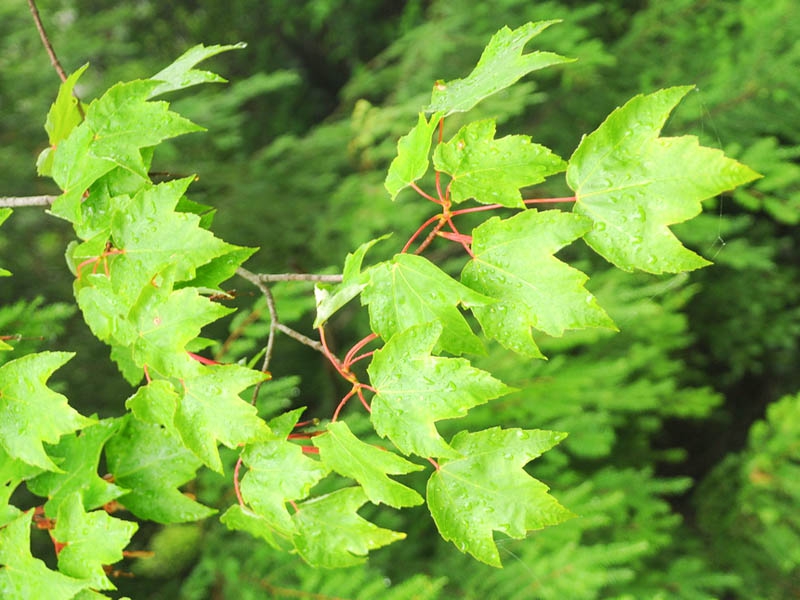
Azalea Maple
Acer rubrum
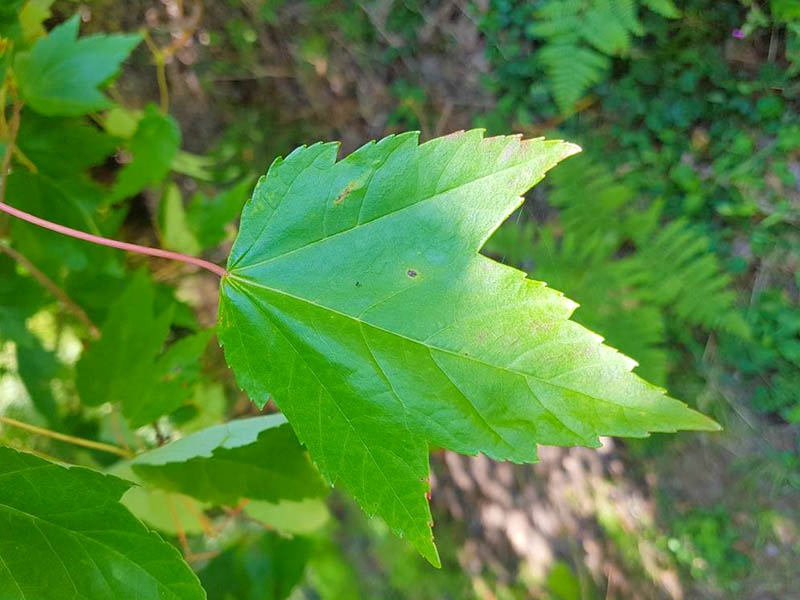
Acer pycnanthum has the following growth characteristics, propagation methods, cultivation methods, and control methods. Growth Characteristics Acer pycnanthum primarily prefers moist soil and generally favors partial shade over strong sunlight. It grows up to about 10 meters in height, and is characterized by its leaves turning red in the autumn. It is highly cold-hardy and can survive well even in cold regions. Propagation Methods Acer pycnanthum is mainly propagated by seeds. Seeds are either harvested in the autumn and sown immediately, or overwintered in a state where moisture can be retained and then sown in the spring. It can also be propagated by cuttings; cuttings taken during the summer can be attempted. Cultivation Methods Acer pycnanthum thrives in well-drained soil and requires periodic watering. Applying a moderate amount of fertilizer in early spring promotes growth, while avoiding excessive watering during the summer and autumn is recommended. Additionally, pruning helps shape the plant. Use in Gardens In gardens, it is suitable as a shade tree, and in autumn, you can enjoy its beautiful fall foliage. When creating a landscape, it can be interplanted with other trees to produce a variety of colors. Major Pests and Diseases and Control Methods The main disease affecting the flowering maple is anthracnose. If the disease occurs, remove infected leaves and control it using fungicides. Aphids are a common pest; to prevent this, regularly mist the trees or use artificial pesticides. As a preventive measure, ventilation and keeping the area around the tree clean are important.
Plant Type
Plant Family
Sapindaceae
Height
12~25m
Spread
9~15m
Colors
red
Bloom Period
March to April
Water Needs
commonly
Exposure
Sunny
Freezing Resistance
-40°C
Maple Floridaum
Acer floridanum
Peacock Maple Dissecum Viride Group
Acer palmatum var. dissectum Dissectum Viride Group