English
한국어
English
Español
中文
हिंदी
Home
News
Community
Dictionary
English
한국어
English
Español
中文
हिंदी
View list
Maple 'Butterfly'
Acer palmatu
'Butterfly'
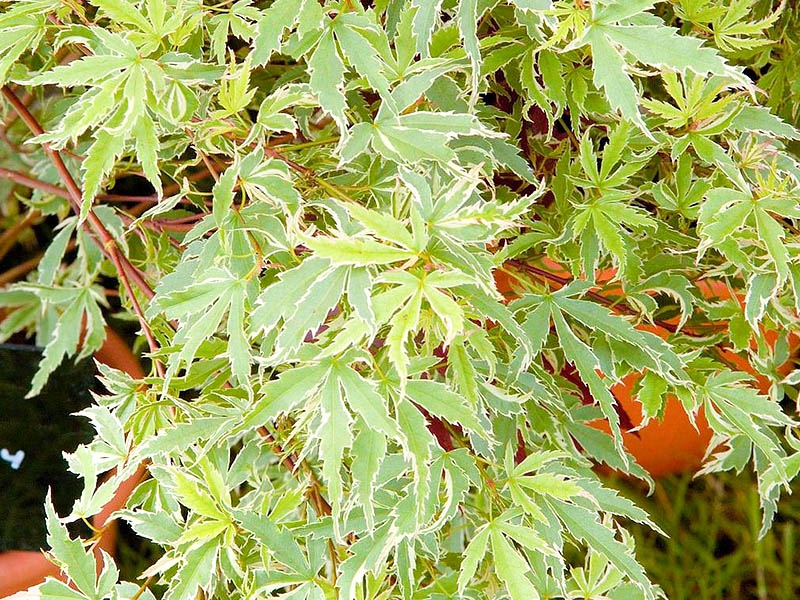
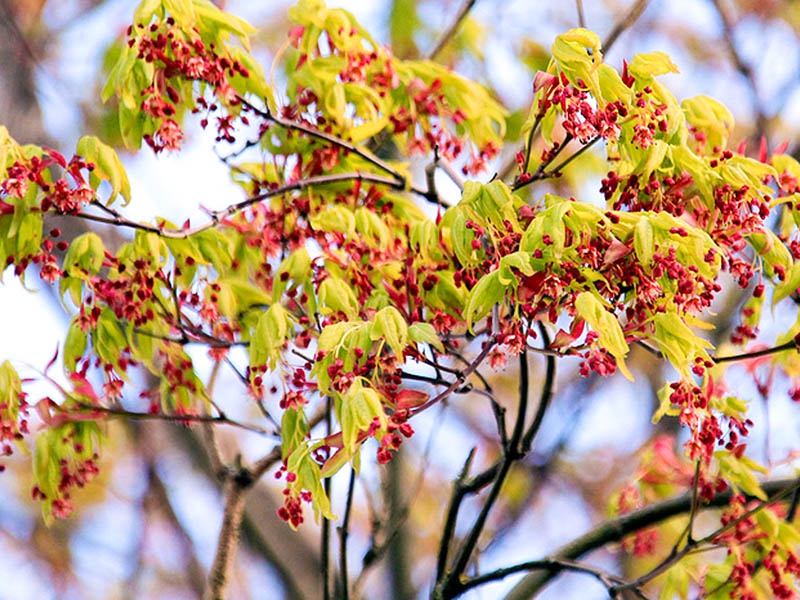
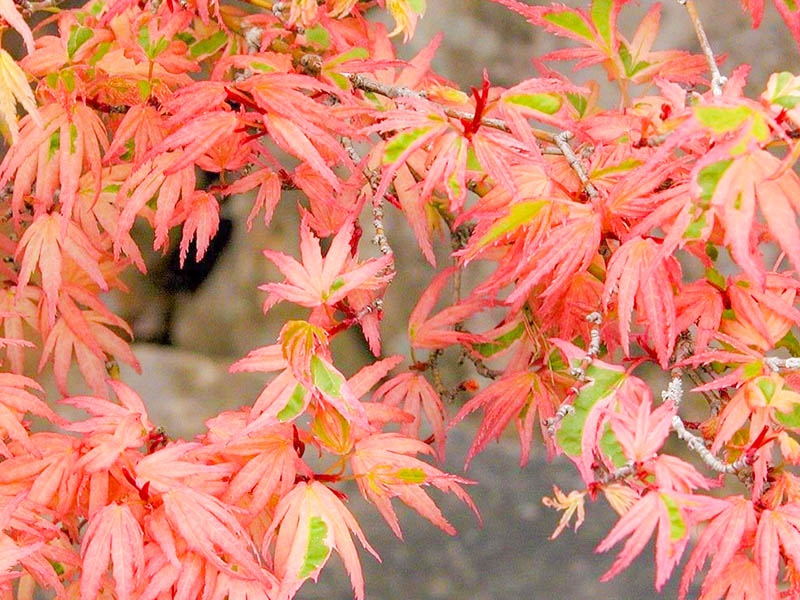
Growth Characteristics The 'Butterfly' maple is a variety of Japanese maple that is popular for its elegant leaves and unique colors. This tree is relatively small, typically growing to a height of 2 to 4 meters. The leaves are small and thin, featuring beautiful white borders along the edges. The leaf color varies depending on the season, turning light green in spring, green in summer, and vivid red in autumn. Propagation Methods 'Butterfly' is primarily propagated by grafting. Grafting is generally performed in winter or early spring, and using a sturdy rootstock increases the success rate. Cuttings are less common but can be attempted using semi-hardened branches during the summer. Cultivation Methods This variety prefers partial shade, and it is best to avoid strong direct sunlight. It thrives in well-drained, acidic soil and is relatively drought-tolerant once rooted. Water moderately to avoid overwatering, and it is recommended to apply a small amount of slow-release fertilizer in spring and autumn. Use in the Garden 'Butterfly' maples are popular as ornamental trees in gardens due to their small size and beautiful leaves. Their diverse color variations are particularly noteworthy, making them suitable for home gardens, parks, or spaces for calm meditation. They can be planted alongside other shrubs to create color contrast, or planted as a standalone tree to emphasize their own beauty. Important Pests and Control Methods While 'Butterfly' maples are generally resistant to pests and diseases, the following issues may occur: - Aphids: They leave a sticky substance on the leaves and can hinder the tree's growth. They can be controlled with soapy water or regular misting. - Powdery Mildew: This disease causes a white, powdery coating on the leaves. Planting in a well-ventilated location and avoiding excessive moisture helps prevent it. If the disease occurs, use an appropriate fungicide. - Soft Rot: This is primarily caused by excessive moisture and can be prevented through improved drainage and soil hygiene. Regular observation and care can effectively prevent these pests and maintain healthy growth.
Plant Type
Plant Family
Sapindaceae
Height
2~4m
Spread
1.2~2.4m
Colors
red, purple
Bloom Period
april
Water Needs
commonly
Exposure
semi-shaded area
Freezing Resistance
-15°C
Maple tree 'Chitoseyama'
Acer palmatum 'Chitose-Yama'
Maple tree 'Bloodgood'
Acer palmatum 'Bloodgood'