English
한국어
English
Español
中文
हिंदी
Home
News
Community
Dictionary
English
한국어
English
Español
中文
हिंदी
View list
Japanese maple 'Aconitifolium'
Acer japonicu
'Aconitifolium'
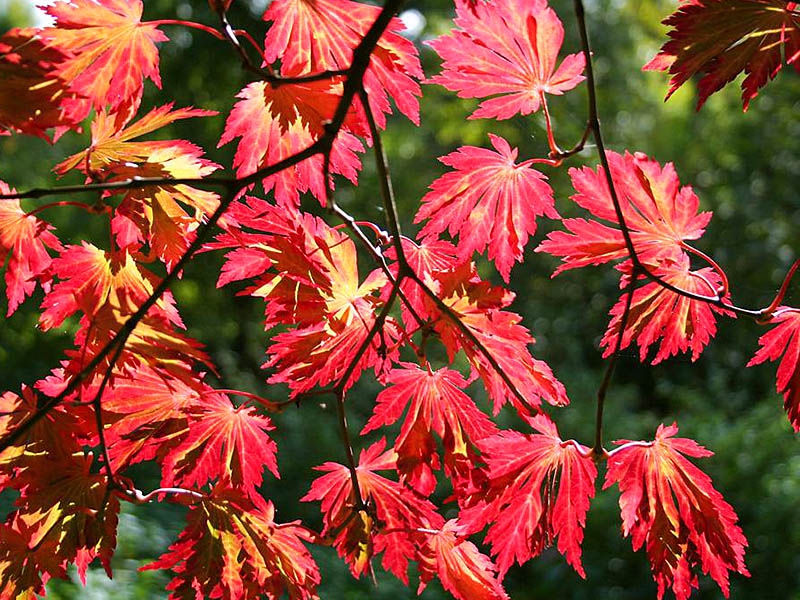
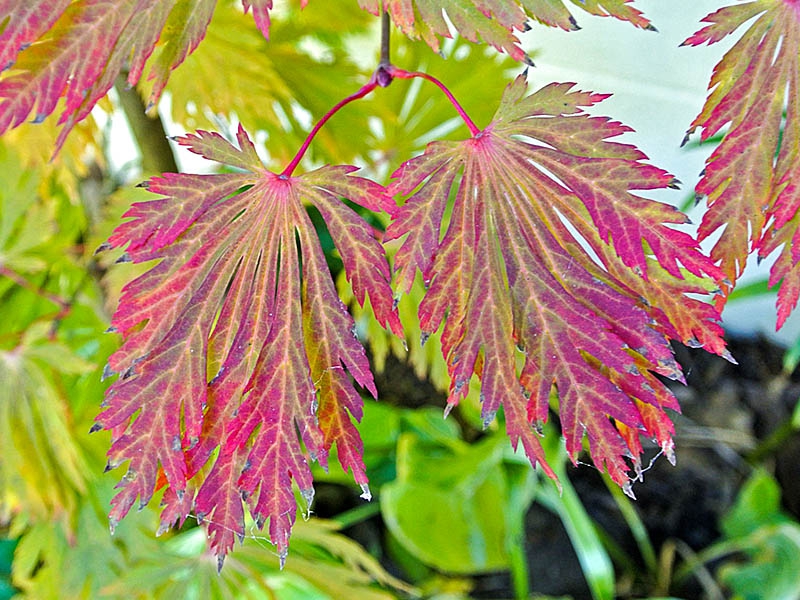
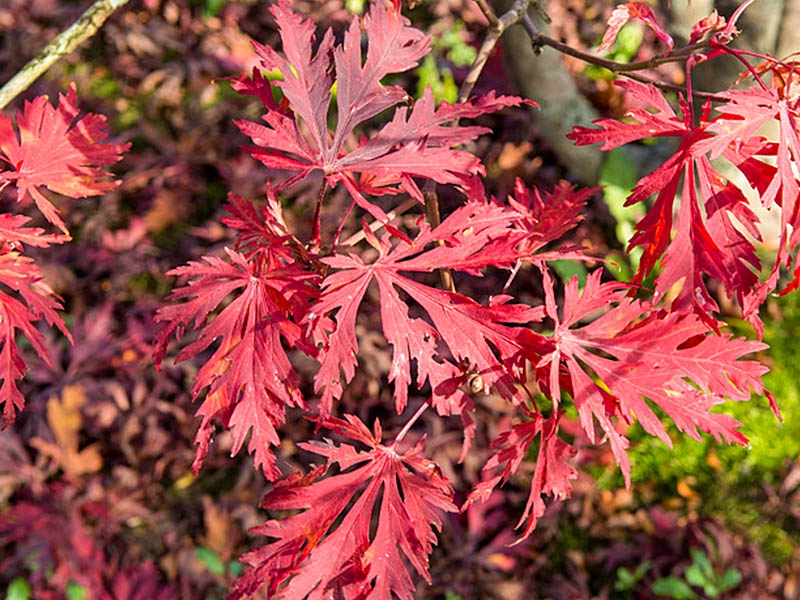
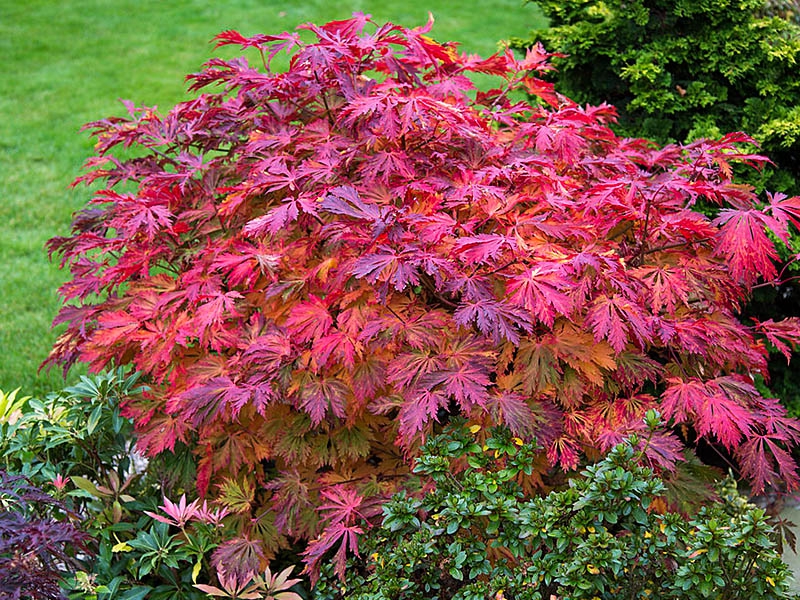
Growth Characteristics Japanese Maple Aconitifolium is a medium-sized deciduous shrub or small tree, and mature trees can grow up to approximately 4 to 6 meters in height. It has a unique leaf shape that turns deep red or orange in the autumn. It generally thrives in temperate climates but is sensitive to late frosts. Propagation Methods Japanese Maples are generally propagated by seeds and grafting. - Seed Propagation: Collect mature seeds in the autumn, store them in a cool place during the winter, and plant them in the spring. - Grafting Propagation: This is mainly performed in the spring and is recommended for experienced practitioners. Generally, other maple species are used as rootstocks. Cultivation Methods - Soil: Fertile, well-drained soil is suitable. The pH should be acidic to slightly neutral, and care should be taken to prevent water from pooling. - Location: A location in partial shade with plenty of sunlight is best. - Water Management: Sufficient water supply is required initially, but once the plant stabilizes, it tolerates drought well. - Fertilizer: It is recommended to mix in a small amount of slow-release fertilizer in the spring. Uses in the GardenThe Japanese maple 'Aconitifolium' is highly aesthetically valuable and suitable as a primary plant in the garden. In particular, its vibrant autumn foliage serves as a visual focal point. Additionally, as it is a medium-sized tree, it is suitable even for small gardens. Important Pests and Control Methods - Powdery mildew: Caused by powdery mildew fungi, it can occur when humidity is high during the summer. To prevent this, ensure good air circulation, and use fungicides if the disease occurs. - Scale insects: Found on leaves and branches, they suck the plant's sap. Upon early detection, wash them off vigorously with water or use soapy water or insecticides. - Aphids: Found on leaves and stems, they hinder leaf growth. They can be removed using organic insecticides or aphid-control soap. Through proper care, you can prevent pests and maintain healthy growth.
Plant Type
Plant Family
Sapindaceae
Height
2.4~3m
Spread
2.4~3m
Colors
red
Bloom Period
March to August
Water Needs
commonly
Exposure
Sunny
Freezing Resistance
-20°C
Japanese maple 'Green Cascade'
Acer japonicum 'Green Cascade'
Chinese porcelain
Acer griseum