English
한국어
English
Español
中文
हिंदी
Home
News
Community
Dictionary
English
한국어
English
Español
中文
हिंदी
View list
Comfree
Symphytum officinale
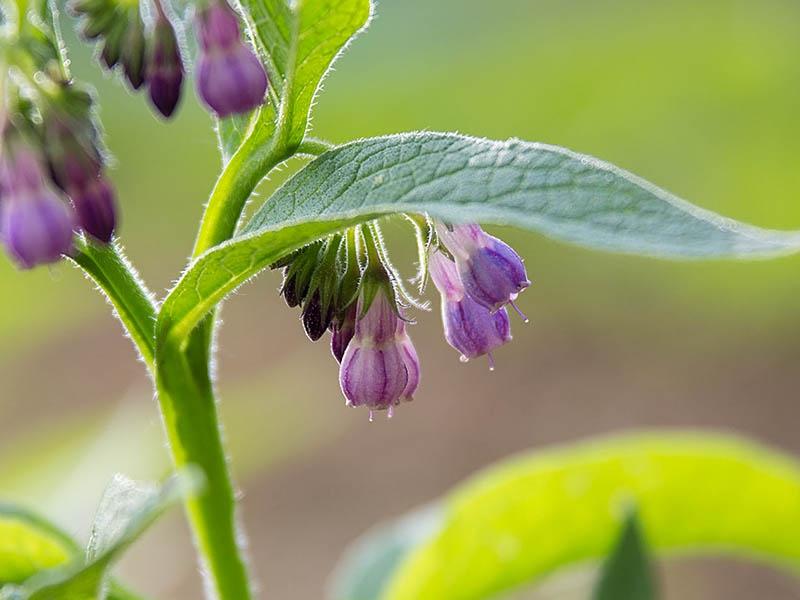
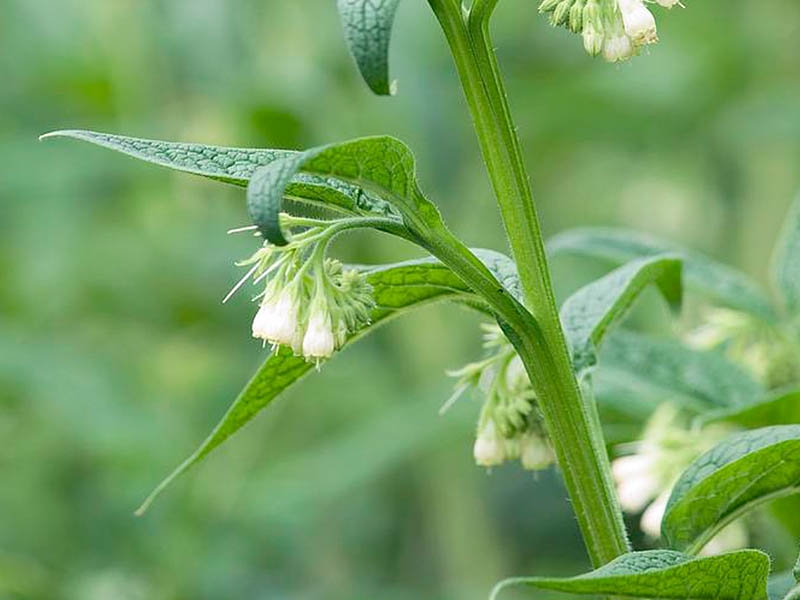
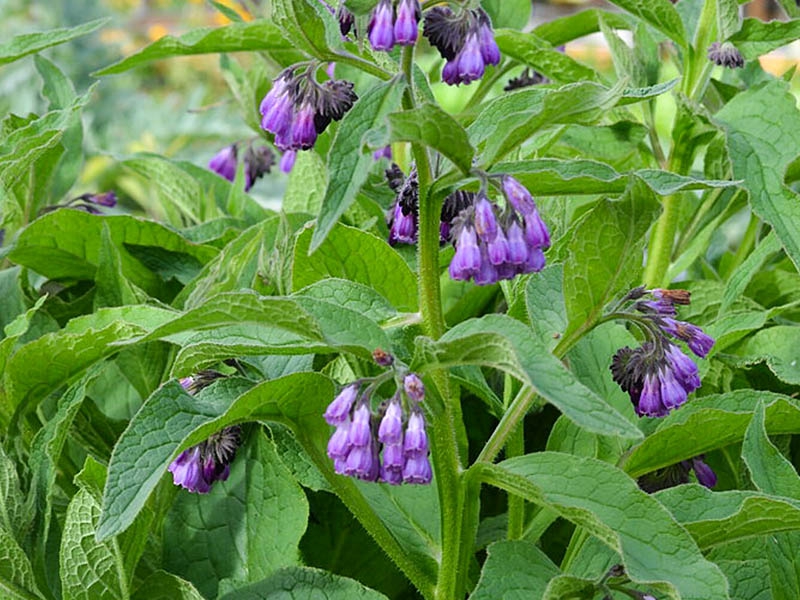
Growth Characteristics - Scientific Name: Symphytum officinale - Growing Environment: It thrives primarily in moist wetlands or along rivers, and can grow in a variety of light conditions ranging from partial shade to full sun. - Soil: It prefers soil that is rich in organic matter and well-drained. Propagation Methods - Seed Propagation: It can be propagated by planting seeds directly or sowing them in spring or autumn. However, the germination rate is low, so it may take time. - Root Division: Propagation by dividing the roots is the most common method. In spring or autumn, divide the roots of a mature plant and plant them separately. Cultivation Methods - Planting Time: Generally, it is planted in spring or autumn. - Watering: Since it likes moisture, it is important to water it sufficiently and regularly. - Fertilizer: It is beneficial to provide liquid fertilizer appropriately during the growing season. Uses in the Garden - Ornamental: Due to its unique leaf shape and flowers, it fits well in naturalistic gardens. - Beneficial Plant: It has traditionally been used for wound healing and inflammation relief. Important Pests and Control Methods - Diseases: Periodic observation is necessary as leaf mold or powdery mildew may occur. - Pests: Pests such as snails or aphids may appear. - Control Methods: Maintain adequate ventilation and sunlight. If pests or diseases occur, remove them immediately or use organic pesticides. As a preventive measure, it is advisable to remove surrounding weeds and keep the soil clean. Comfrey of the Opichinale is generally an easy plant to care for, but regular observation and proper care help prevent pests and diseases.
Plant Type
Plant Family
Dental clinic
Height
60~90cm
Spread
Colors
White, purple, pink
Bloom Period
June~July
Water Needs
commonly
Exposure
Sunny
Freezing Resistance
-30°C
Aster 'Octend Gloren'
Symphyotrichum ericoides 'Ochtendgloren'
Comfrey 'Lubrum'
Symphytum officinale 'Rubrum'