English
한국어
English
Español
中文
हिंदी
Home
News
Community
Dictionary
English
한국어
English
Español
中文
हिंदी
View list
Comfrey 'Lubrum'
Symphytum officinal
'Rubrum'
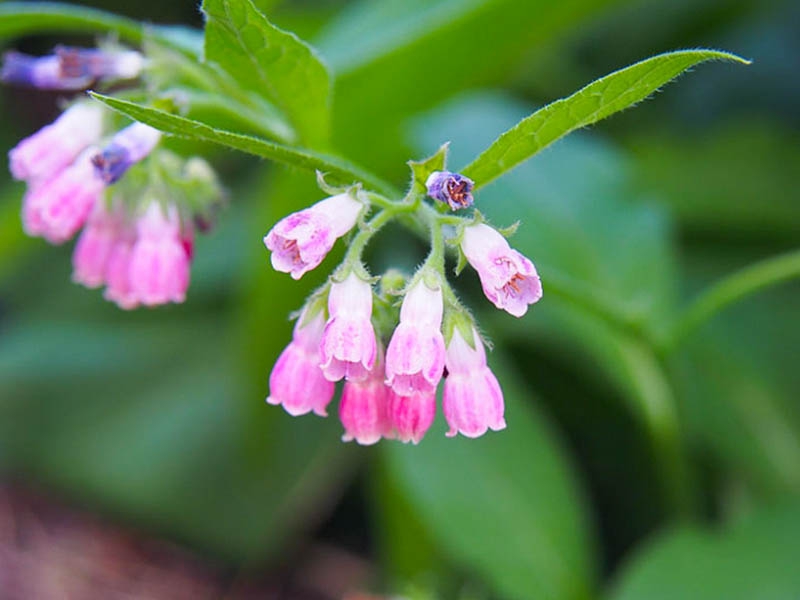
Growth Characteristics of Comfrey 'Rubrum' (Symphytum officinale 'Rubrum') Comfrey 'Rubrum' is a perennial herbaceous plant that primarily produces red flowers and can grow up to 1 meter in height. This plant possesses a deep, long-spreading root system, and its leaves are large, rough-textured, and lanceolate. Propagation Methods Comfrey is primarily propagated by seeds or root division. Seeds are sown in late spring, while root division is performed in spring or autumn. It is best to perform root division while the plant is dormant. Cultivation Methods Comfrey tolerates both full sun and partial shade and thrives in well-drained soil. It prefers moist environments rather than relatively dry ones, and soil nutrient status is also important. It is recommended to water regularly and prune the plant in late winter to promote new growth. Use in the Garden Comfrey 'Roubrum' is primarily used for garden ornamentation, harmonizing well with other wildflowers, especially in natural-style gardens. It attracts bees and butterflies and is a plant that enhances ecological value. Important Pests and Control Methods Comfrey is a relatively hardy plant, and serious pests and diseases are rare. However, it can be susceptible to certain leaf diseases or aphid attacks. To address these issues, observe the plants regularly and use appropriate organic insecticides if necessary. It is important to immediately remove diseased leaves to prevent the spread of the disease. Additionally, keeping the plants well-spaced aids in preventing fungal issues.
Plant Type
Plant Family
Dental clinic
Height
30~60cm
Spread
30~60cm
Colors
pink
Bloom Period
May~June
Water Needs
commonly
Exposure
Sunny
Freezing Resistance
-30°C
Comfree
Symphytum officinale
Comfrey coccacum
Symphytum caucasicum