English
한국어
English
Español
中文
हिंदी
Home
News
Community
Dictionary
English
한국어
English
Español
中文
हिंदी
View list
Monkshood (Pseudoproliferum)
Aconitum pseudoproliferum
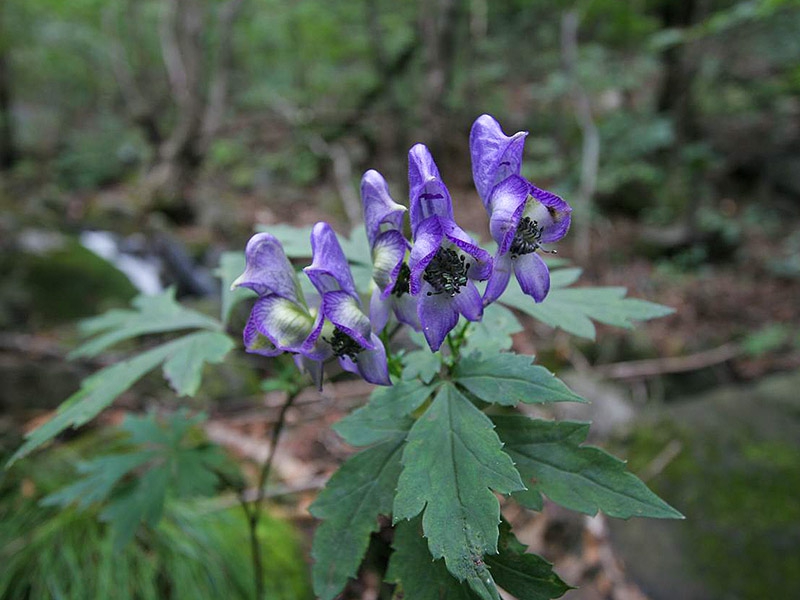
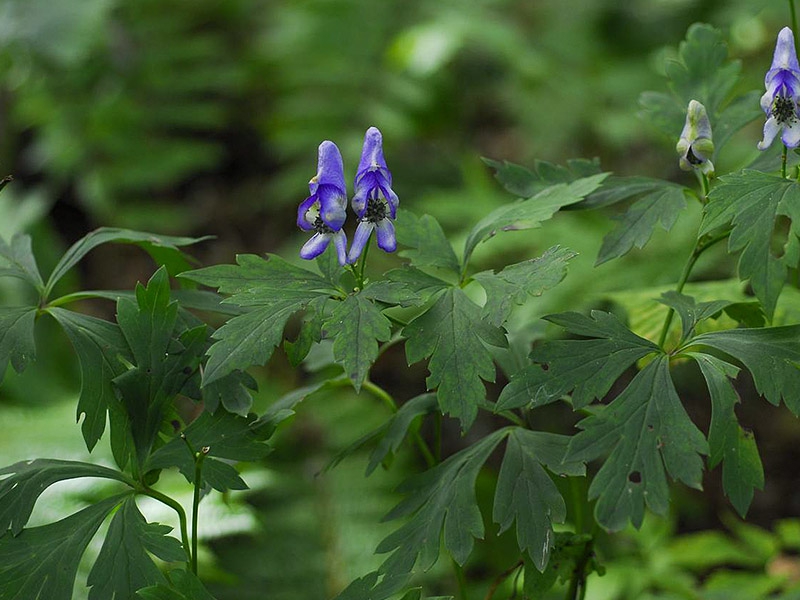
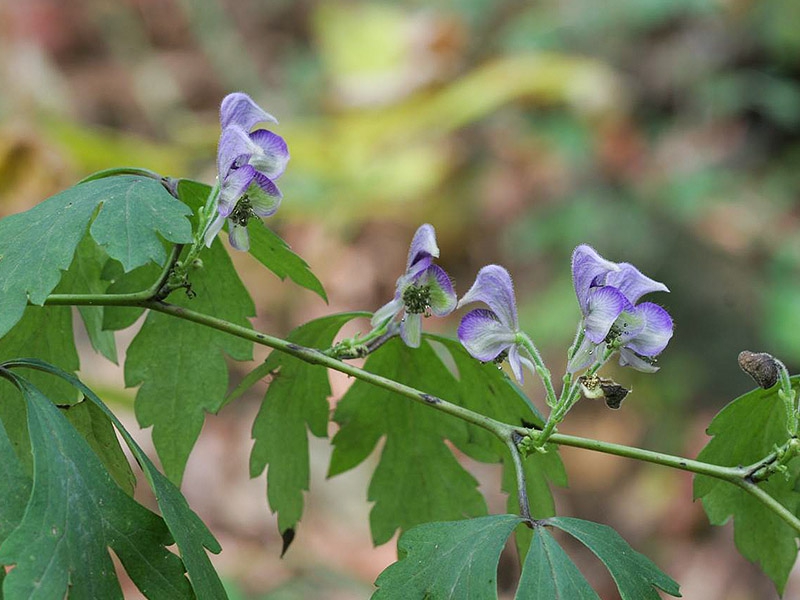
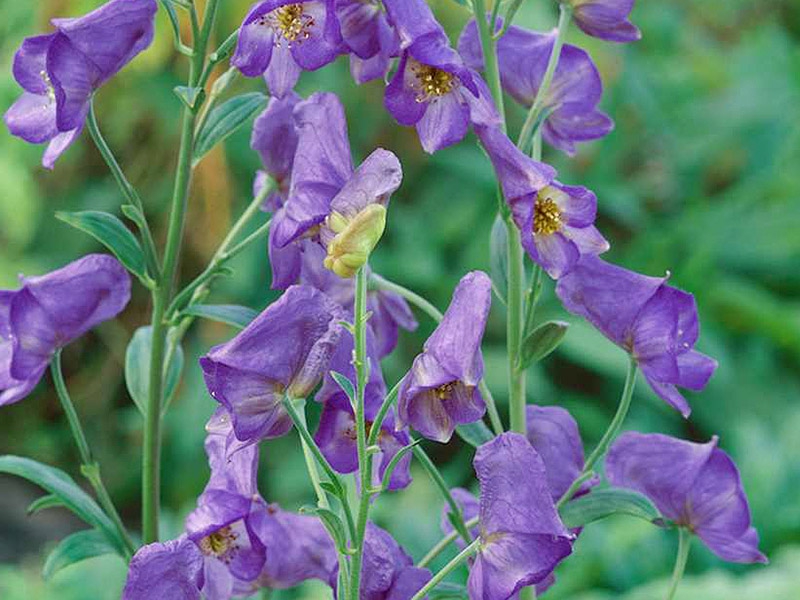
Aconitum pseudoproliferum has the following growth characteristics, propagation methods, cultivation methods, garden uses, and pest and disease control methods. Growth Characteristics - Environmental Requirements: This plant primarily prefers cool, humid environments and thrives in partial shade. It exhibits optimal growth in well-drained soil while avoiding direct sunlight. - Plant Morphology: It grows to a height of approximately 50–100 cm, and its stems and leaves display a distinctive bluish-green color. Blue or purple flowers bloom between summer and autumn. Propagation Methods - Seed Propagation: Propagation is possible using seeds, but cold stratification for 3–4 weeks prior to germination is required. - Root Division: It can be propagated by dividing roots in spring or autumn. Cultivation Methods - Planting: When planting, till the soil deeply and mix in plenty of compost. - Watering: Be careful not to overwater, but keep the soil from drying out too much. - Fertilization: Apply organic fertilizer 1 to 2 times during the growing season. Garden Use - Ornamental Value: Suitable for ornamental purposes due to its aesthetic flowers and leaves. It can be planted along borders or in flowerbeds to serve as a focal point in the garden. Important Pests and Control Methods - Powdery Mildew: Occurs when drainage is poor or ventilation is insufficient. It can be prevented by maintaining proper spacing and using fungicides. - Aphids: Remove them using soapy water or specialized insecticides upon early detection. - Drainage Management: Pay attention to soil management to ensure good drainage, and use soil amendments if necessary. Since Aconitum Pseudoproliferum is highly toxic, it is important to take precautions to keep children and pets out of the reach of the plant.
Plant Type
Plant Family
Ranunculaceae
Height
120~150cm
Spread
Colors
purple
Bloom Period
September to October
Water Needs
commonly
Exposure
semi-shaded area
Freezing Resistance
-30°C
Monkshood Seoulense
Aconitum seoulense
The real culprit
Aconitum pseudolaeve