English
한국어
English
Español
中文
हिंदी
Home
News
Community
Dictionary
English
한국어
English
Español
中文
हिंदी
View list
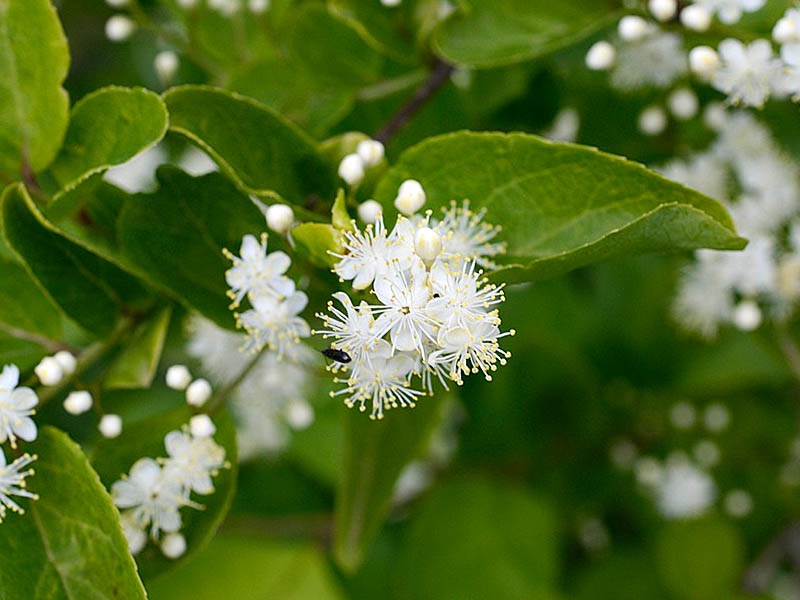
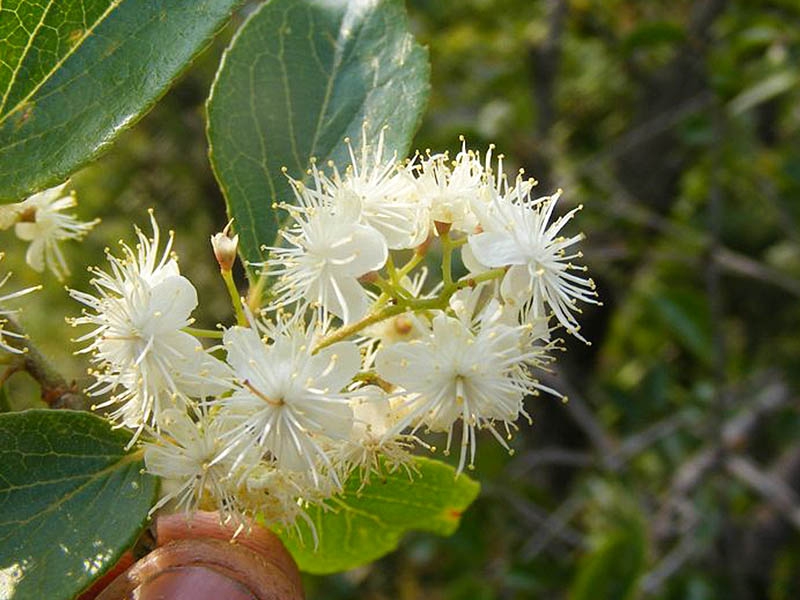
Simplocos Panicula
Symplocos paniculata
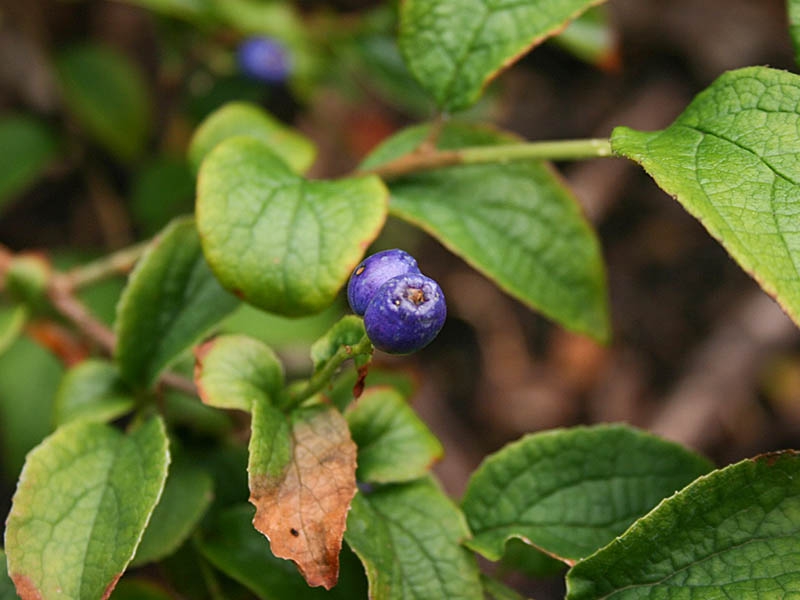
Symplocos sawafutagi has the following growth characteristics and propagation methods: Growth Characteristics: - Symplocos sawafutagi is an evergreen shrub that grows primarily in Asia, reaching an average height of 2 to 4 meters. - It prefers sunlight but can thrive in partial shade and has the ability to adapt to various soil conditions. - It prefers well-drained soil and grows particularly well in slightly acidic soil. Propagation Methods: - Symplocos sawafutagi can be propagated by seeds or cuttings. - Seeds are sown in the spring, and the germination rate is relatively high. - Cuttings are taken in spring or early summer; mature branches are selected and transplanted. Cultivation Methods: - Water thoroughly during the initial stages of cultivation, and reduce watering once the roots are stable. - Pruning at appropriate intervals helps shape the plant and maintain ventilation. - Provide nutrients using slow-release fertilizer in early spring. Use in the Garden: - The Japanese Spiraea is widely used for landscaping, particularly for providing shade. - It offers shade and is highly valued as an ornamental plant, making it suitable for planting as a boundary plant or hedge in the garden. Major Pests and Control Methods: - Major diseases include powdery mildew and mold on the leaves; these can be prevented through proper ventilation and periodic disinfection. - The main pest is aphids, which can be controlled using soap insecticides or garden oils. - To prevent pests and diseases, it is important to ensure thorough drainage and maintain hygiene around the plant. The Japanese Spiraea is relatively easy to care for, allowing it to be utilized for various garden purposes. However, periodic care and observation are essential for healthy growth.
Plant Type
Plant Family
family Hemataceae
Height
5m
Spread
Colors
white
Bloom Period
June
Water Needs
commonly
Exposure
Sunny
Freezing Resistance
-15°C
Baby fan
Symplocarpus nipponicus
Island stink bug
Symplocos coreana