English
한국어
English
Español
中文
हिंदी
Home
News
Community
Dictionary
English
한국어
English
Español
中文
हिंदी
View list
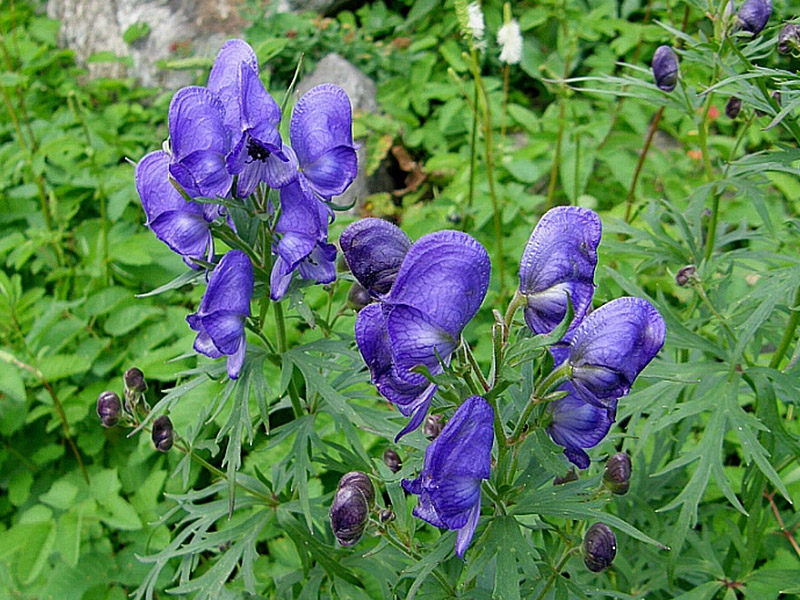
Narrow-leaved bellflower
Aconitum macrorhynchum
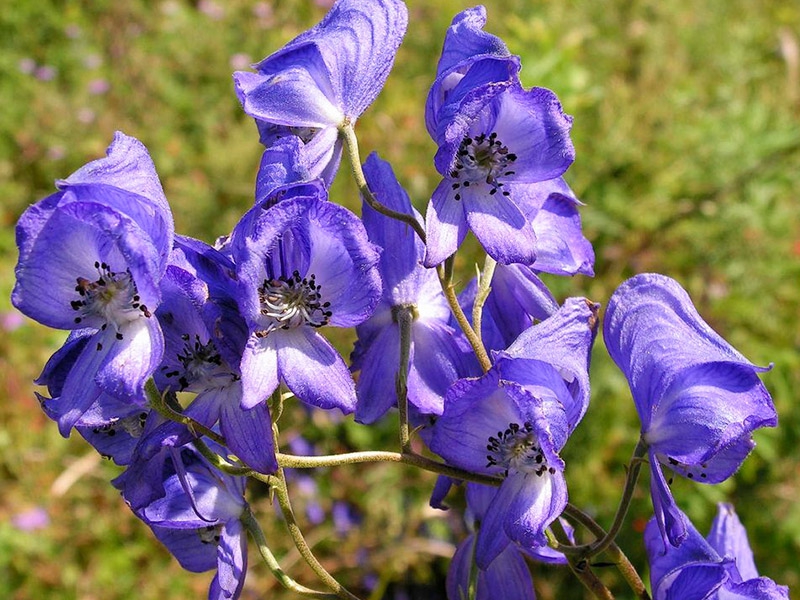
Characteristics of Aconitum macrorhynchum #Growth Characteristics Aconitum macrorhynchum is a perennial plant that thrives primarily in humid environments in alpine regions. It typically grows to a height of 50 to 100 cm and features slender leaves and bluish-purple or purple flowers. As a perennial, it flowers and produces seeds in the autumn. #Propagation Methods While propagation by seeds is possible, the germination rate is low, so it is primarily propagated by root division. It grows well if the roots of mature plants are carefully divided and planted in spring or autumn. #Cultivation Methods - Soil Preparation: It prefers well-drained soil, so it should be cultivated in soil rich in organic matter. - Planting: Plant in early spring or late autumn using root division or seeds. - Watering: Avoid overwatering and water carefully to maintain consistent moisture levels. 4. Light Conditions: It thrives in partial shade or full sun, and direct sunlight should be avoided. #Uses in the Garden The narrow-leaved bellflower is useful for decorating gardens with its fine leaves and beautiful flowers. It fits well with natural garden designs or wildflower beds and harmonizes well with surrounding plants. However, since all parts are toxic, care must be taken to ensure that children and pets do not eat them. #Important Pests and Control Methods - Diseases: Root rot and fungal diseases may occur mainly due to excessive moisture and poor ventilation. In such cases, it is important to improve drainage and ensure good air circulation. - Pests: Aphids or snails may occur, requiring periodic observation and the use of pesticides as needed. For natural control, soapy water or neem oil can be used to prevent pests. Since it is a toxic plant, care must be taken to avoid ingestion during cultivation or propagation. It is recommended to wear gloves when working with it.
Plant Type
Plant Family
Ranunculaceae
Height
60~180cm
Spread
Colors
blue, purple
Bloom Period
August~September
Water Needs
commonly
Exposure
semi-shaded area
Freezing Resistance
-30°C
Lady's Slipper Orchid
Aconitum monanthum
White culprit
Aconitum longecassidatum