English
한국어
English
Español
中文
हिंदी
Home
News
Community
Dictionary
English
한국어
English
Español
中文
हिंदी
View list
Spikes of corn
Aconitum kusnezoffii
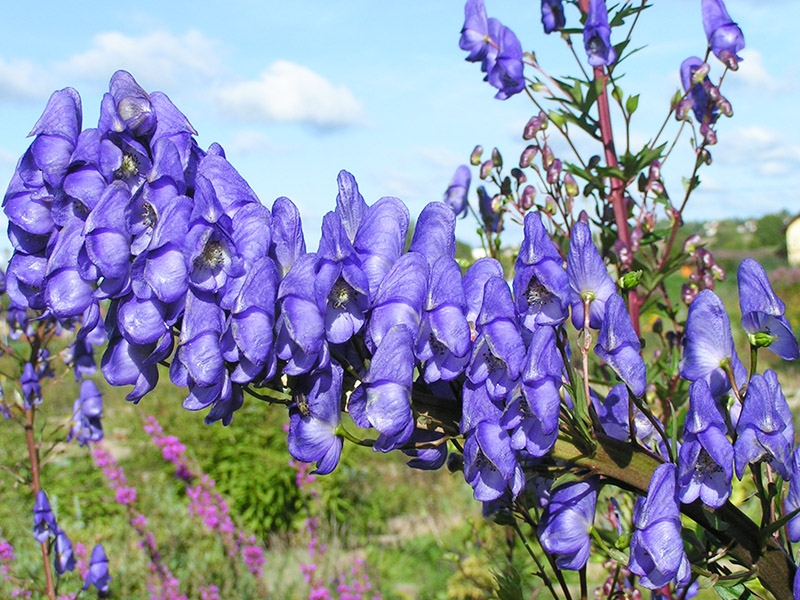
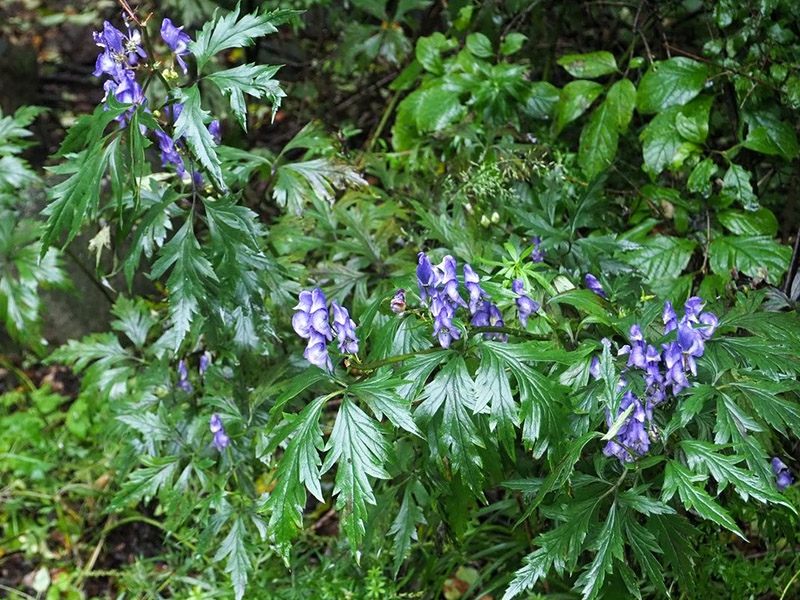
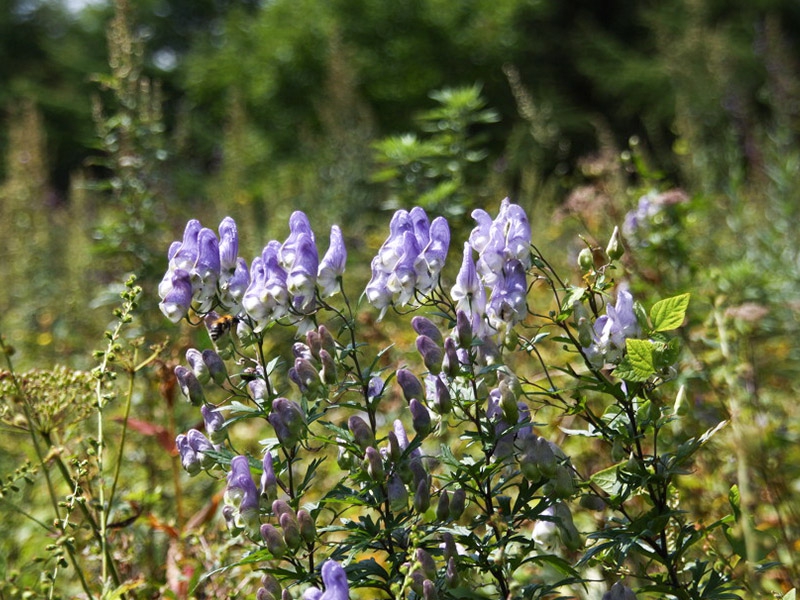
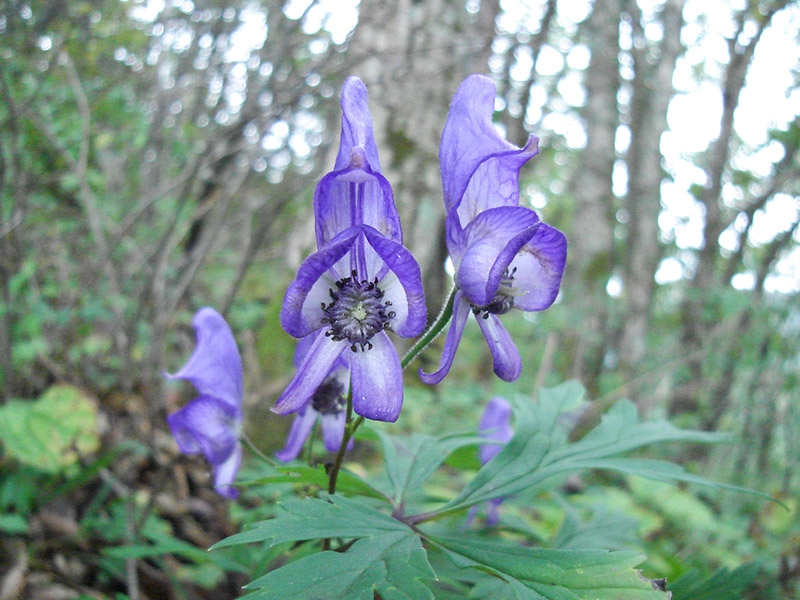
Aconitum kusnezoffii is a perennial plant native primarily to the Northeast region of Asia. The following is information regarding the plant's growth characteristics, cultivation methods, garden uses, and major pests and diseases, as well as control methods. Growth Characteristics - Humidity and Temperature: Aconitum prefers a cool, humid environment. It thrives best during periods of moderately low temperatures rather than during excessively hot summers. - Soil: It grows well in high-quality, well-drained soil. It can grow even healthier in soil with a high organic matter content. - Sunlight: It prefers partial shade, but some sunlight is acceptable. It is best to avoid strong direct sunlight. Propagation Methods - Seeds: It can be propagated by seeds; mature seeds are collected in the autumn and sown in early spring. - Root Division: It can be propagated by dividing rhizomes in the spring or autumn. Cultivation Methods - Planting: When planting bulbs or seeds, bury them at an appropriate depth and water thoroughly. - Watering: Be careful not to let the soil become too dry, and water sufficiently to avoid overwatering. - Fertilizer: During the growing season, apply a small amount of organic fertilizer annually to promote growth. Uses in the Garden - The Spikeberry is highly popular as a garden ornament due to its beautiful flowers and unique shape. It is primarily planted in flowerbeds or as a border plant, allowing for design that harmonizes with the surrounding environment. Major Pests and Diseases & Control Methods - Diseases: Major diseases include fungal diseases affecting the leaves, which can be prevented through regular ventilation. - Pests: While common pests are relatively rare, aphids or snails can occasionally cause problems. In such cases, natural insecticides can be used, or they can be removed by hand. - Control Methods: For pest control, it is recommended to use organic pesticides or natural pest control methods along with regular monitoring. The spike-flowering Custache rugosa is a relatively easy plant to care for, but it requires a proper environment and maintenance. In particular, caution is required when handling it as all parts are toxic.
Plant Type
Plant Family
Ranunculaceae
Height
80~100cm
Spread
Colors
purple
Bloom Period
July to September
Water Needs
commonly
Exposure
semi-shaded area
Freezing Resistance
-30°C
White culprit
Aconitum longecassidatum
Baekbuja
Aconitum coreanum