English
한국어
English
Español
中文
हिंदी
Home
News
Community
Dictionary
English
한국어
English
Español
中文
हिंदी
View list
Brass chopstick greens
Aconitum ciliare
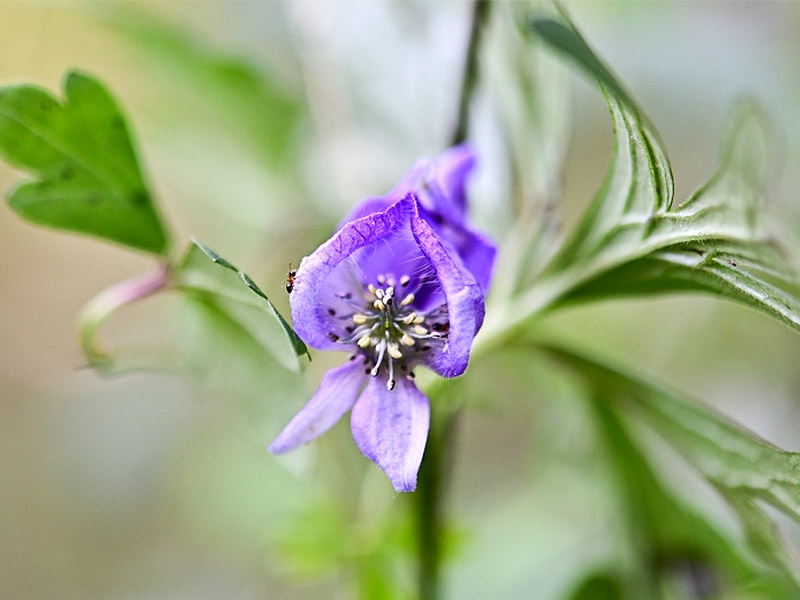
Aconitum ciliare is a perennial plant belonging to the Ranunculaceae family, primarily growing in mountainous or alpine regions. The following is information regarding this plant's growth characteristics, propagation methods, cultivation methods, garden uses, and major pests and diseases and control methods. Growth Characteristics - Growing Environment: It prefers hot and humid environments and thrives in partial shade. It requires well-drained soil. - Flowers and Leaves: Blue-purple flowers bloom from summer to autumn, and the leaves are palm-shaped and lobed. - Size: It typically grows to a height of 0.5m to 1m. Propagation Methods - Seed Propagation: It can be propagated by seeds, which are sown in spring or late autumn. Pre-germination treatment may be required. - Division Propagation: It can also be propagated by dividing the roots in late autumn. Cultivation Methods - Soil: Fertile, well-drained soil is suitable. - Watering: It is best to water when the surface soil is dry. - Fertilizer: Applying slow-release fertilizer during the growing season is recommended. - Other Care: Since the stems tend to bend easily, it is advisable to provide stakes for support. Uses in the GardenKiliare is highly popular as an ornamental plant in gardens due to its showy flowers. It is particularly well-suited for perennial flowerbeds and can tolerate partial shade, allowing for diverse arrangements. Important Pests and Control Methods - Diseases: Root rot can occur due to excessive moisture. It is important to pay attention to drainage and avoid overwatering. - Pests: Pests such as aphids may occur. To prevent this, regular observation and the use of appropriate pesticides when necessary are required. - Prevention: Ensure good ventilation around the plant, and organic pesticides can be used for pest control. Kiliare is a plant that can enhance the beauty of your garden with proper care and attention. Let's take good care of them so they can grow healthy.
Plant Type
Plant Family
Ranunculaceae
Height
2m
Spread
Colors
Pink, purple
Bloom Period
August to October
Water Needs
commonly
Exposure
semi-shaded area
Freezing Resistance
-30°C
Monkshood
Aconitum jaluense
Jari-baek flower
Aconitum chiisanense