English
한국어
English
Español
中文
हिंदी
Home
News
Community
Dictionary
English
한국어
English
Español
中文
हिंदी
View list
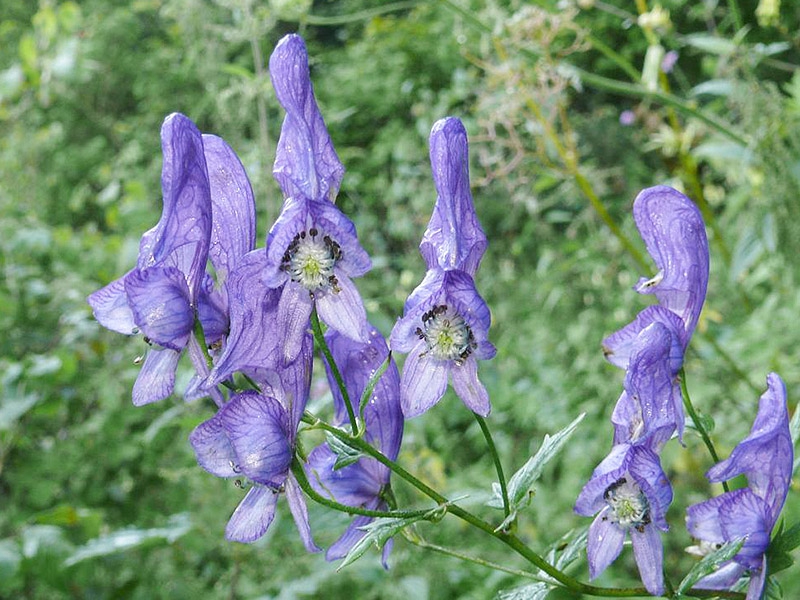
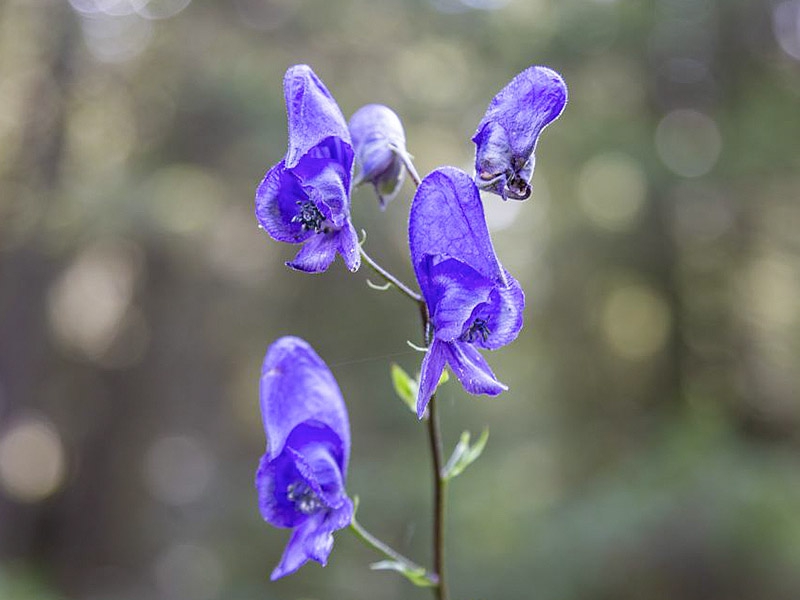
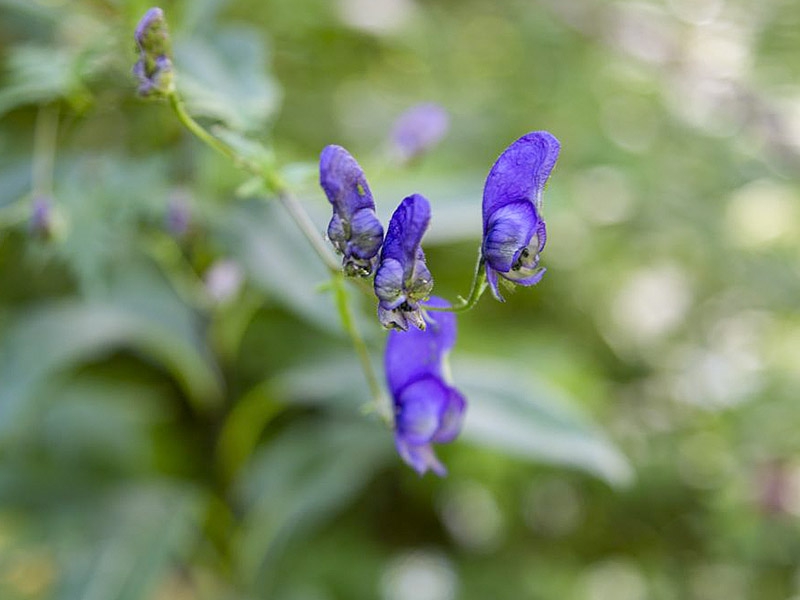
three-horned helmet flower
Aconitum austrokoreense
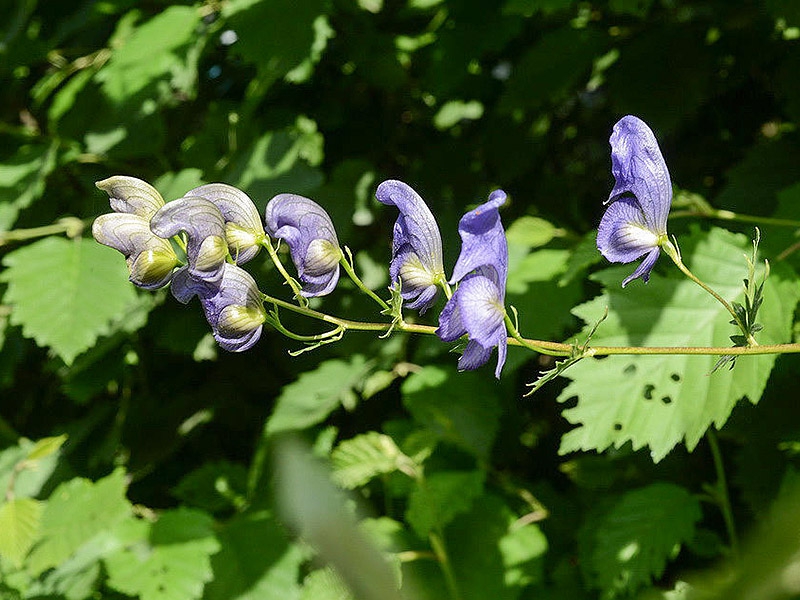
Aconitum austrokoreense is a perennial herbaceous plant that grows primarily in the alpine regions of Korea. The following is information regarding this plant's growth characteristics, propagation methods, cultivation techniques, garden uses, and important pests and diseases and control methods. Growth Characteristics - Environment: It thrives in cool, humid alpine regions. It prefers partial shade, and direct sunlight should be avoided. - Soil: It grows well in well-drained soil that retains adequate moisture. Soil rich in organic matter is even better. - Growth: It typically grows to a height of 50–150 cm, and flowers bloom mainly from summer to early autumn. Propagation Methods - Seed Propagation: Propagation using seeds is common. To increase germination rates, it is recommended to collect seeds in mid-summer, store them in the refrigerator, and sow them in the spring. - Division: This method involves dividing the roots of a mature plant and is a relatively fast and stable method of propagation. It is recommended to divide and plant in the spring or autumn. Cultivation Method - Planting Season: Spring and autumn are suitable, and sufficient water supply is required after transplanting. - Care: If leaves are close together or the plants are too dense, they should be trimmed periodically to ensure good ventilation. Garden Use - Uses: Characterized by beautiful bluish-purple flowers, it is widely used as an ornamental plant in gardens. It is ideal for planting around trees or along boundaries. - Harmony: It blends harmoniously with other perennial plants and is well-suited for wildflower gardens. Important Pests and Diseases & Control Methods - Diseases: It may be susceptible to leaf mold or root rot. If an outbreak occurs, remove the diseased parts and use a disinfectant. - Pests: Aphids and snails can be problematic. For aphids, it is recommended to wash them with water or use insecticides. Snails can be physically removed or attractants can be used. Aconitum austrochoreense is relatively easy to care for, but it is toxic, so caution should be exercised when consuming it, and care should be taken when planting it in areas where children or pets are present.
Plant Type
Plant Family
Ranunculaceae
Height
30~80cm
Spread
Colors
purple
Bloom Period
July to September
Water Needs
commonly
Exposure
semi-shaded area
Freezing Resistance
-30°C
Yellow monkshood
Aconitum barbatum
Seonjulbaek flower
Aconitum raddeanum