English
한국어
English
Español
中文
हिंदी
Home
News
Community
Dictionary
English
한국어
English
Español
中文
हिंदी
View list
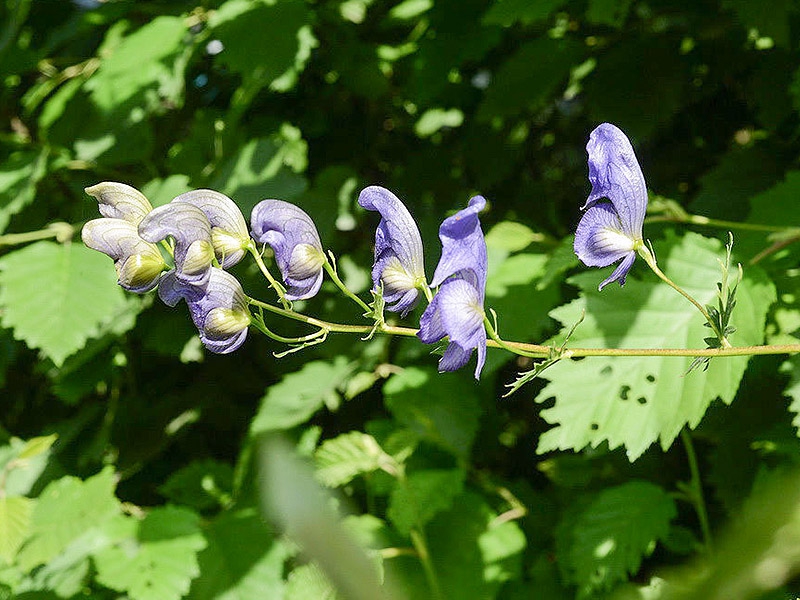
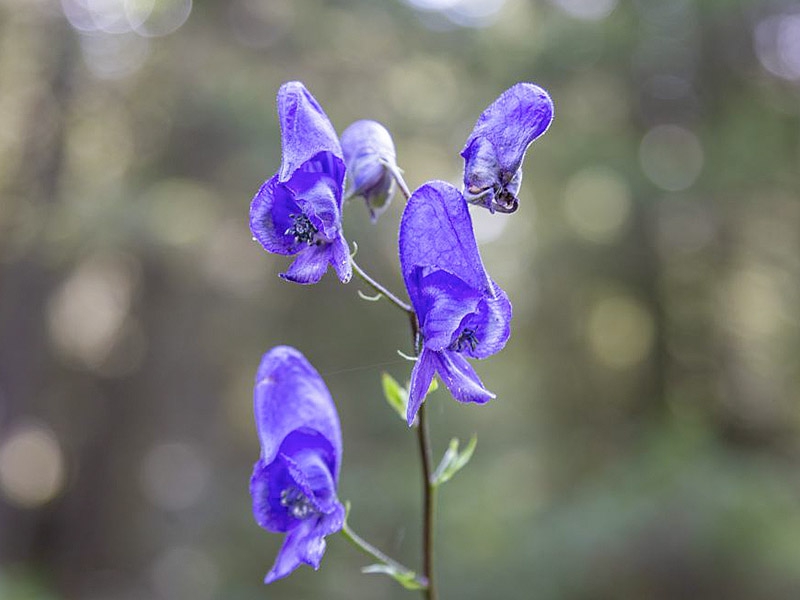
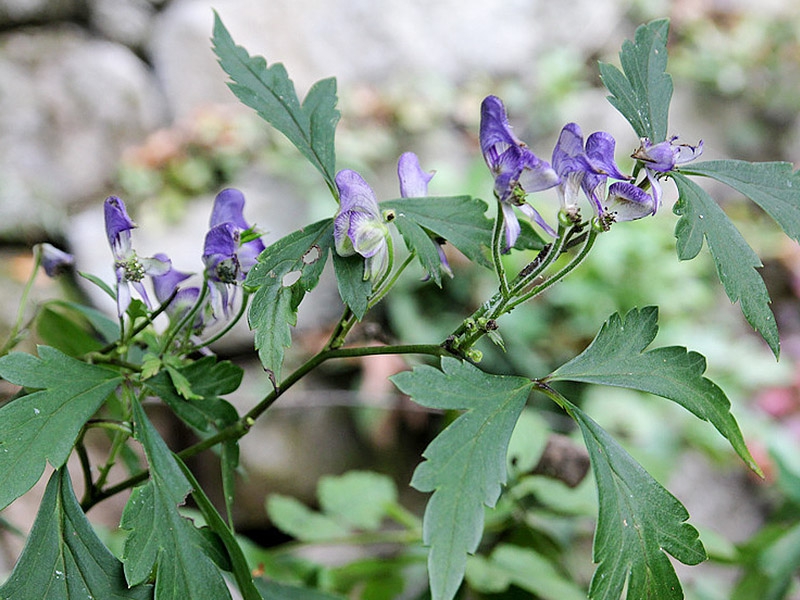
Seonjulbaek flower
Aconitum raddeanum
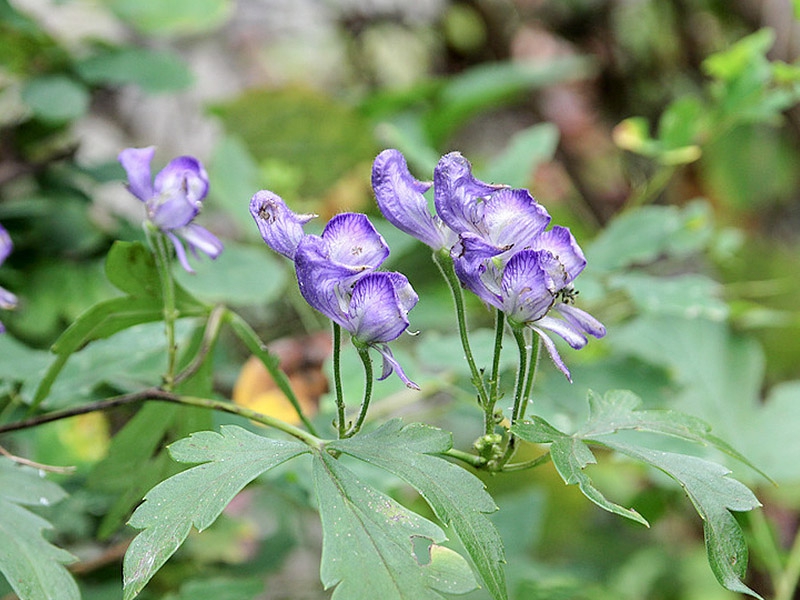
Growth Characteristics - Scientific Name: Aconitum raddeanum - Characteristics: Aconitum raddeanum is a perennial herbaceous plant that thrives primarily in moist mountainous areas. It grows to a height of approximately 50–100 cm and blooms with blue or purple flowers from summer to early autumn. Propagation Methods - Seed Propagation: It naturally propagates by seeds; mature seeds are harvested in the autumn and sown in early spring. - Root Division Propagation: It can be propagated by dividing rhizomes in the spring. - Transplanting: It is also possible to transplant it as a young seedling. Cultivation Methods - Soil: It grows well in well-drained soil and adapts to acidic soil without issues. - Watering: It prefers moisture, so water frequently to prevent dryness. - Sunlight: It can grow in various light intensities ranging from partial shade to full sun, but it prefers partial shade. Use in Gardens - Landscaping: Planting along the back line of flower beds allows for flower arrangements that utilize height, adding color to the garden during the summer. - Cut Flowers: The flowers are beautiful and can be used as cut flowers. Important Pests and Diseases & Control Methods - Diseases: Be careful of fungal diseases and powdery mildew. To prevent this, ensure good ventilation and remove diseased leaves immediately. - Pests: Damage can be caused by aphids, moths, etc. Remove them manually in the early stages, and use appropriate pesticides in severe cases. - Control Methods: For pest prevention, it is important to improve ventilation through periodic plant inspection and proper spacing. Use sterilizing agents if necessary.
Plant Type
Plant Family
Ranunculaceae
Height
1~2m
Spread
Colors
purple
Bloom Period
August~September
Water Needs
commonly
Exposure
semi-shaded area
Freezing Resistance
-30°C
three-horned helmet flower
Aconitum austrokoreense
Halla helmet flower
Aconitum quelpaertense