English
한국어
English
Español
中文
हिंदी
Home
News
Community
Dictionary
English
한국어
English
Español
中文
हिंदी
View list
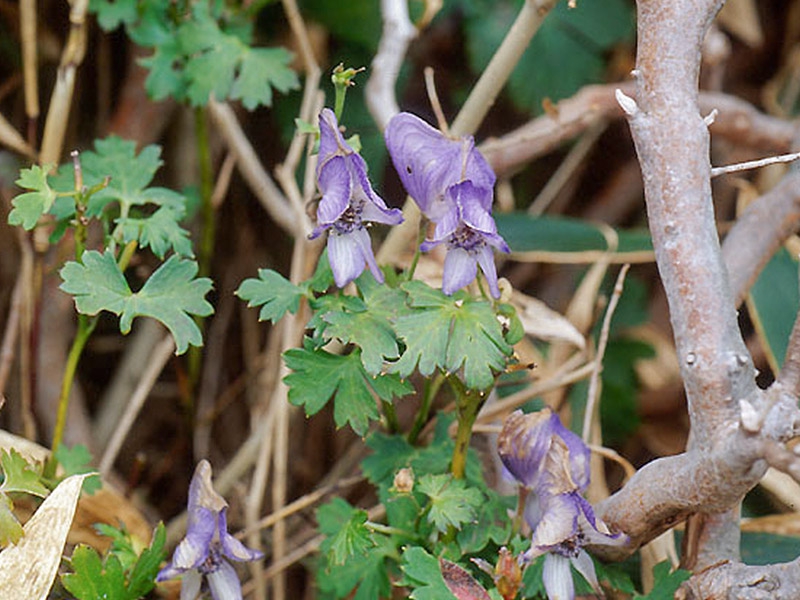
Halla helmet flower
Aconitum quelpaertense
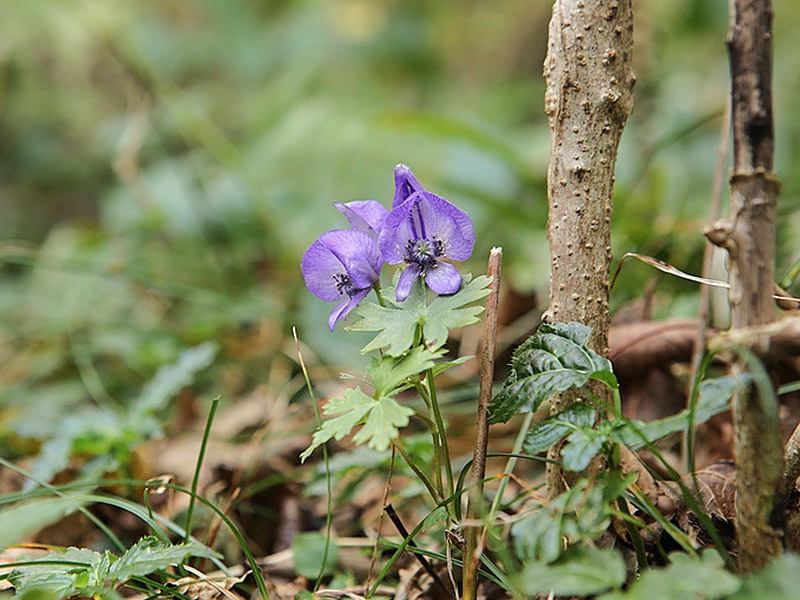
Growth Characteristics of Aconitum quelpaertense Aconitum quelpaertense is a perennial herbaceous plant that typically grows to a height of 60 to 100 cm. It grows wild mainly in high mountainous regions of Korea and blooms with beautiful purple flowers from summer to autumn. Its roots are thick, tuberous, and they store nutrients during the winter. Propagation Methods Aconitum quelpaertense is primarily propagated by seeds and root division. Seeds mature in summer or autumn, and it is recommended to collect them and sow them indoors during the winter. Root division is usually performed in the spring; healthy roots are selected, separated, and then cultivated. Cultivation Methods When cultivating, it is important to select a location with good drainage and ample sunlight. Prepare well-draining soil, ensure that water is not insufficient during the summer, and avoid excessive moisture during the winter. It thrives in fertile soil, and young seedlings require weed removal and proper spacing. Use in Gardens Due to its unique flower shape and color, the Halla Monkshood is widely used as an ornamental plant in gardens. It is particularly well-suited for gardens that emphasize natural beauty and alpine botanical gardens. Planting a mix of cultivated varieties can create an even more colorful landscape. Important Pests and Control Methods Due to the Halla Monkshood, it is primarily susceptible to root rot and leaf fungal diseases. To prevent this, it is important to avoid excessive moisture and ensure good ventilation. To prevent parasitic attacks, it is recommended to use pesticides periodically. If pests or diseases are discovered, immediately remove the affected parts and, if necessary, control them using appropriate pesticides.
Plant Type
Plant Family
Ranunculaceae
Height
30~100cm
Spread
Colors
purple
Bloom Period
August~September
Water Needs
commonly
Exposure
semi-shaded area
Freezing Resistance
-30°C
Seonjulbaek flower
Aconitum raddeanum
Winged culprit
Aconitum pteropus