English
한국어
English
Español
中文
हिंदी
Home
News
Community
Dictionary
English
한국어
English
Español
中文
हिंदी
View list
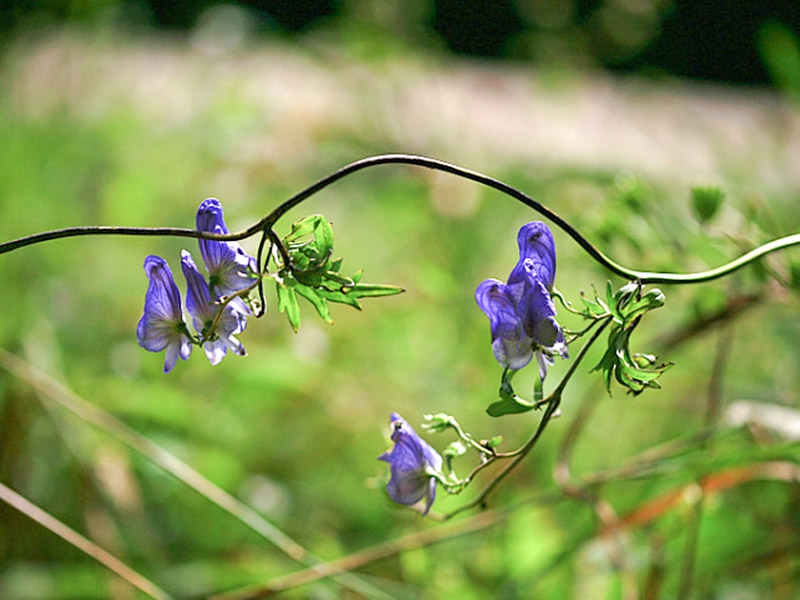
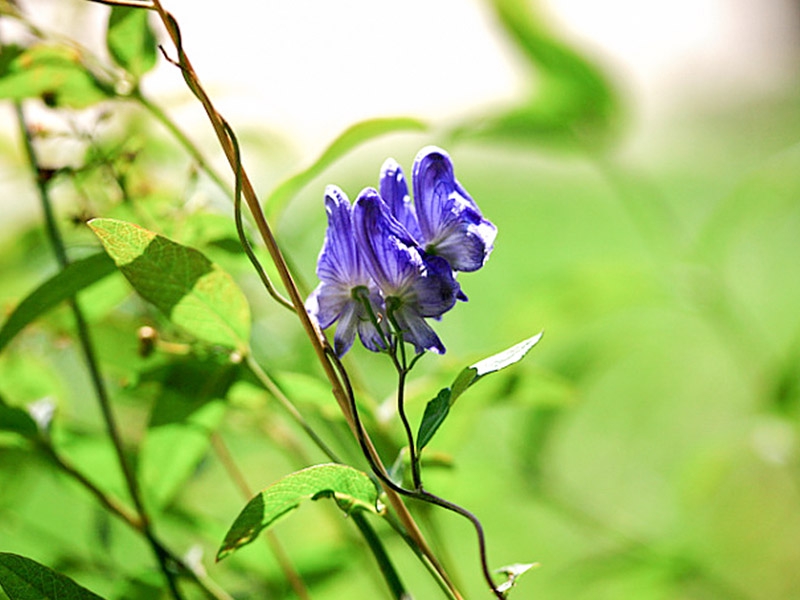
Striped bellflower
Aconitum alboviolaceum
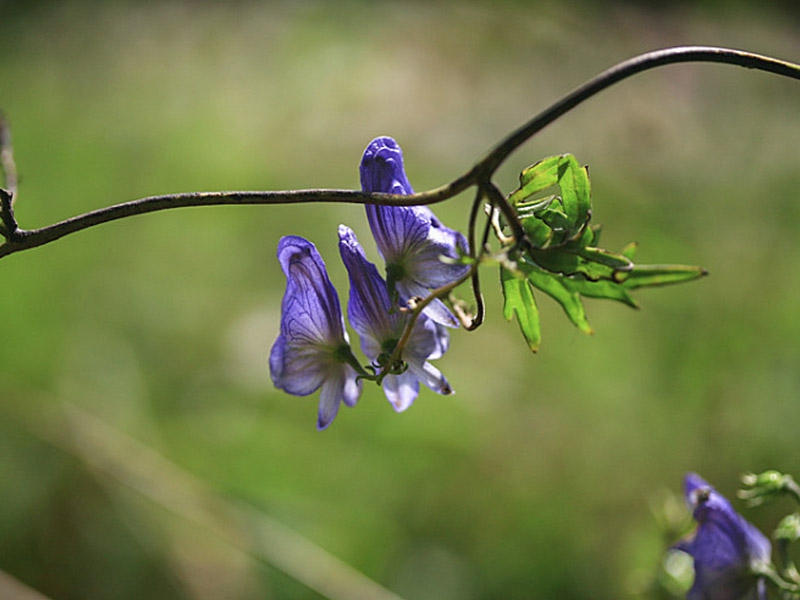
Aconitum alboviolaceum is a perennial herb that grows primarily in cool, mountainous climates. The following describes the plant's main growth characteristics, propagation methods, cultivation methods, garden uses, and important pests and diseases, as well as control methods. Growth Characteristics - Environment: It prefers cool, moist environments. It usually thrives in partial shade or shade. - Soil: It grows healthiest in well-drained, organic-rich soil. - Growth Pattern: It flowers in the summer and is a tall plant that typically grows up to 1 to 2 meters. Propagation Methods - Seed Propagation: It can be propagated by sowing seeds directly into the ground in spring or autumn. - Division Propagation: It can be propagated by dividing the roots in the spring. This is a relatively quick and effective method of propagation. Cultivation Methods - Planting: It is best to plant in spring or autumn. The soil should be adequately fertilized before planting. - Care: Water thoroughly during dry periods, and avoid excessive moisture. - Maintenance: Prune frequently to maintain the plant's shape and remove diseased parts to promote healthy growth. Uses in the Garden - The Alboviolaceum is ideal for ornamental use in shaded garden spaces. Its tall stature makes it suitable as a background plant, and its summer flowers serve as a visual focal point. Important Pests and Control Methods - Diseases: The most common issue is fungal diseases. To prevent this, it is important to create a well-ventilated environment and maintain well-drained soil. - Pests: Aphids and snails can cause problems. They can be physically removed or, if necessary, appropriate insecticides can be used. - Control Methods: Regular observation and proper care are effective in preventing pests. It is advisable to use eco-friendly control methods. This plant is popular among gardeners due to its beautiful flowers and unique appearance. However, it is toxic, so it must always be handled with caution.
Plant Type
Plant Family
Ranunculaceae
Height
1~2m
Spread
Colors
purple
Bloom Period
July to September
Water Needs
commonly
Exposure
semi-shaded area
Freezing Resistance
-30°C
Minba flower
Aconitum ambiguum
Aconitum carmikaili 'Arendsi'
Aconitum carmichaelii 'Arendsii'