English
한국어
English
Español
中文
हिंदी
Home
News
Community
Dictionary
English
한국어
English
Español
中文
हिंदी
View list
thin dog
Aconogonon mollifolium
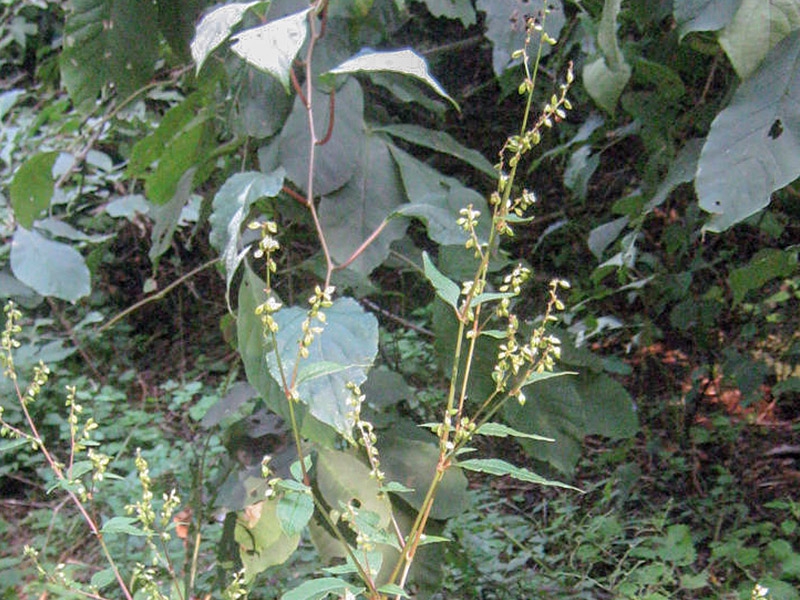
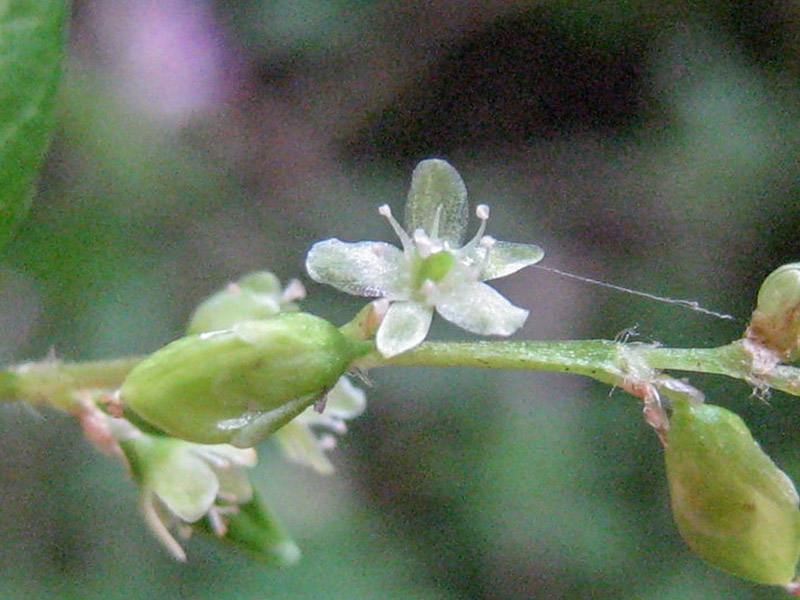
Aconitum mollifolium is a perennial herbaceous plant. Growth Characteristics: It thrives primarily in moist soil and can grow in a variety of environments ranging from partial shade to full sun. It grows to a height of approximately 60 cm up to a maximum of 150 cm, and its leaves are broad, oval, or lance-shaped. It blooms with colorful, attractive flowers from late summer to early autumn. Propagation Methods: Propagation is mainly done by seeds and root division. Seeds are sown in the spring and germinate relatively quickly. Root division is performed in autumn or early spring, selecting and dividing healthy roots. Cultivation Methods: - Soil Preparation: Well-drained soil is suitable, and the richer the organic matter, the better. - Planting: Plant in spring or autumn, maintaining a spacing of about 30 cm between plants. - Watering: Water consistently until the plant is established, but avoid excessive watering thereafter. 4. Fertilization: Apply a small amount of compound fertilizer in the spring and organic fertilizer in late summer. Garden Use: It is ideal for shaded or semi-shaded areas. It is also suitable for flowerbed edges or when creating a natural landscape. The flowers can also be used as cut flowers, serving as an interior decoration. Important Pests and Diseases & Control Methods: - Diseases: Root rot or leaf blight may occur, often due to poor drainage. To prevent this, improve the drainage system and avoid overwatering. - Pests: Aphids or mites may appear; proper observation and early removal are important. Use organic insecticides for control if necessary. Refer to the information above to grow healthy Singa japonica and utilize it in various garden environments.
Plant Type
Plant Family
Knotweed family
Height
80cm
Spread
Colors
green
Bloom Period
July–August
Water Needs
commonly
Exposure
Sunny
Freezing Resistance
-30°C
Chamgaesinga
Aconogonon microcarpum
Acorus calamus
Acorus gramineus