English
한국어
English
Español
中文
हिंदी
Home
News
Community
Dictionary
English
한국어
English
Español
中文
हिंदी
View list
Six-foot tree
Actinodaphne lancifolia
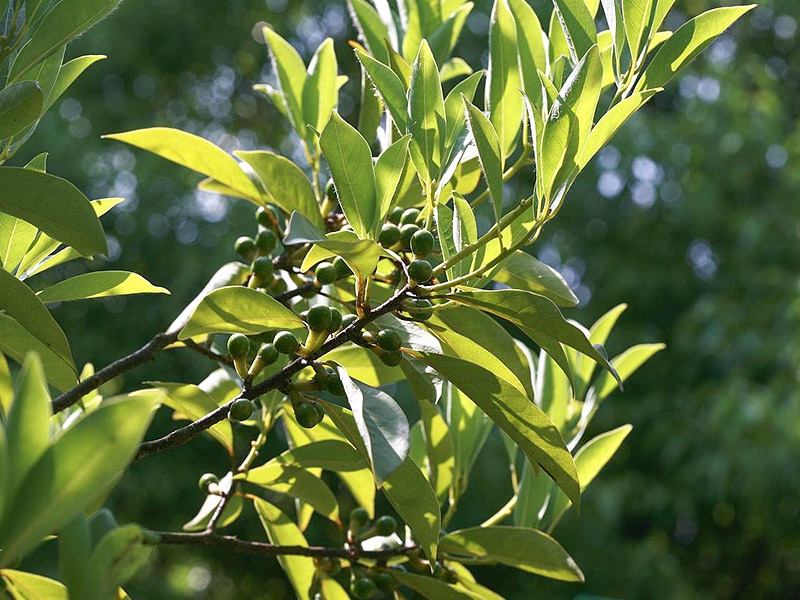
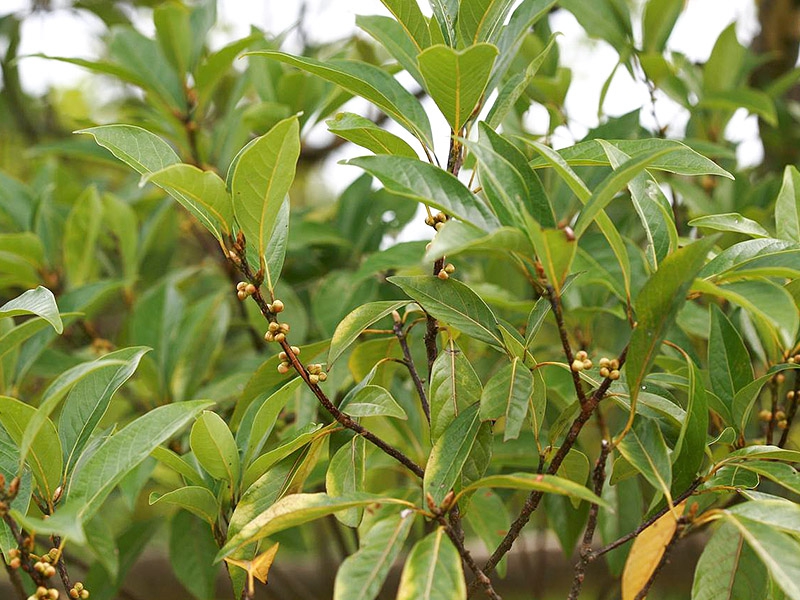
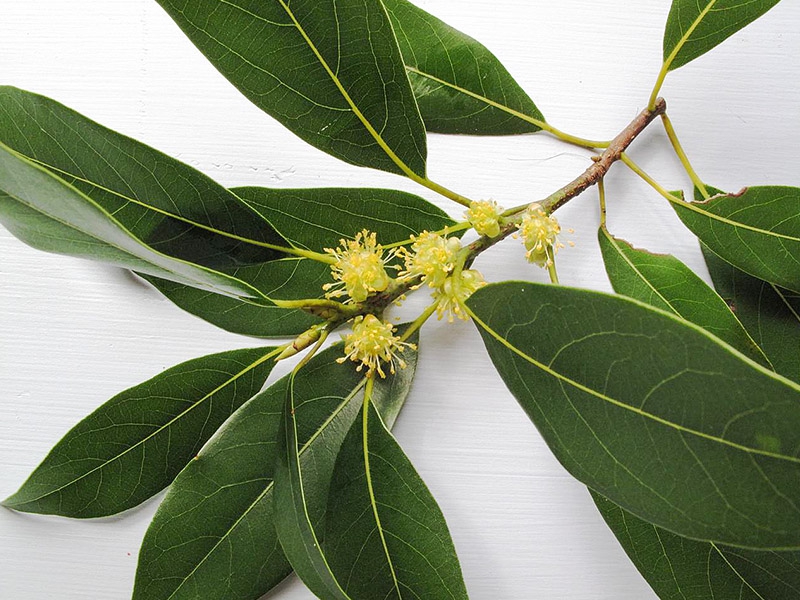
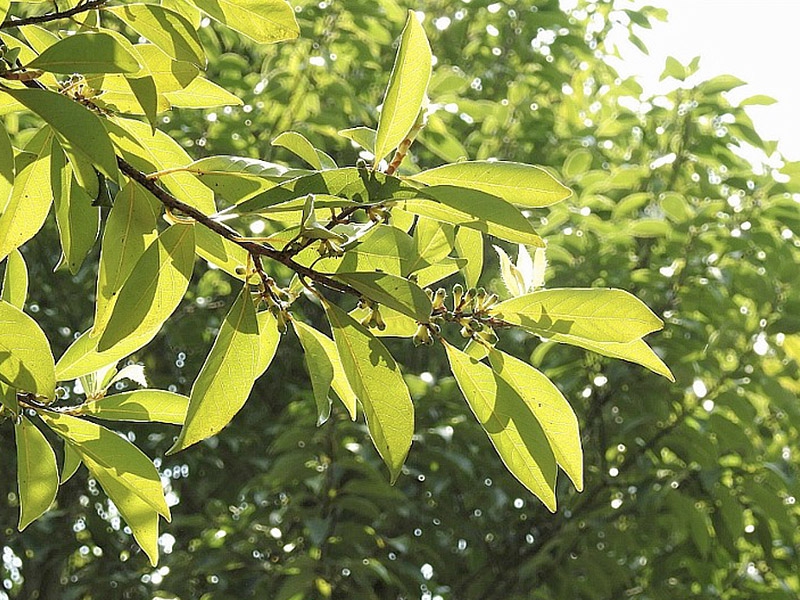
Growth Characteristics of Actinodaphne lancifolia Actinodaphne lancifolia is an evergreen shrub that thrives primarily in warm, humid climates. It typically grows to a height of 2 to 5 meters. Its leaves are long oval-shaped, thick, glossy, and pointed at the tips. Small yellowish-green flowers bloom in the summer, and black berries develop in the autumn. It prefers well-drained soil and grows well in acidic or neutral soils. Propagation Methods Propagation is mainly achieved through seed sowing and cuttings. Planting seeds immediately after harvesting is advantageous for increasing germination rates. For cuttings, use healthy branches taken during the summer, and it is important to maintain humidity until roots develop. Cultivation Methods - Soil: It grows well in well-drained soil and thrives best in soil rich in organic matter. - Watering: It does not need to be watered too frequently, but care should be taken to ensure the soil does not dry out completely. 3. Sunlight: It thrives in a variety of environments ranging from partial shade to full sun, but the best growth is observed in areas with morning sunlight and afternoon shade. - Fertilizer: Applying a small amount of slow-release fertilizer in the spring is recommended. Uses in the Garden Thanks to its evergreen nature, the Japanese spindle tree can be used as a border plant or for ornamental purposes in the garden. Additionally, the repetitive changing colors of its leaves add visual interest to the garden. It is also very useful for garden decoration as it is easy to prune. Important Pests and Control Methods While the Japanese spindle tree is relatively resistant to pests and diseases, leaf beetles and aphids may occur. The following methods can be used to control them: - Physical Removal: For small trees, remove them by hand or wash them off with water. - Use of Natural Enemies: Aphids can be naturally suppressed using natural enemies such as ladybugs. 3. Use of Insecticides: In the event of persistent damage, you can control it using garden insecticides, but you must always check the precautions before use. Through these methods, you can keep your yucksack trees healthy and cultivate a beautiful garden.
Plant Type
Plant Family
Lauraceae
Height
15m
Spread
Colors
white, yellow
Bloom Period
July to September
Water Needs
commonly
Exposure
Sunny
Freezing Resistance
-10°C
Darae 'Issy'
Actinidia arguta 'Issai'
Lid vine
Actinostemma lobatum