English
한국어
English
Español
中文
हिंदी
Home
News
Community
Dictionary
English
한국어
English
Español
中文
हिंदी
View list
Australian baobab tree
Adansonia gregorii
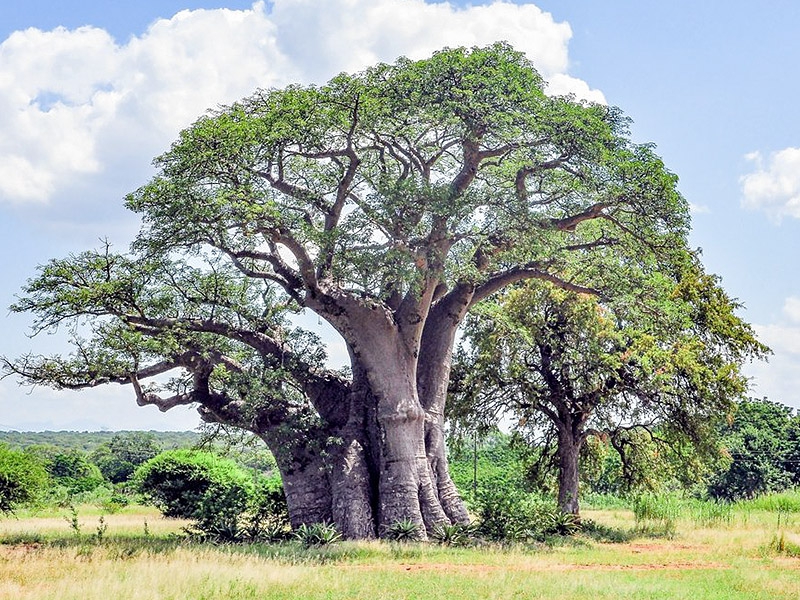
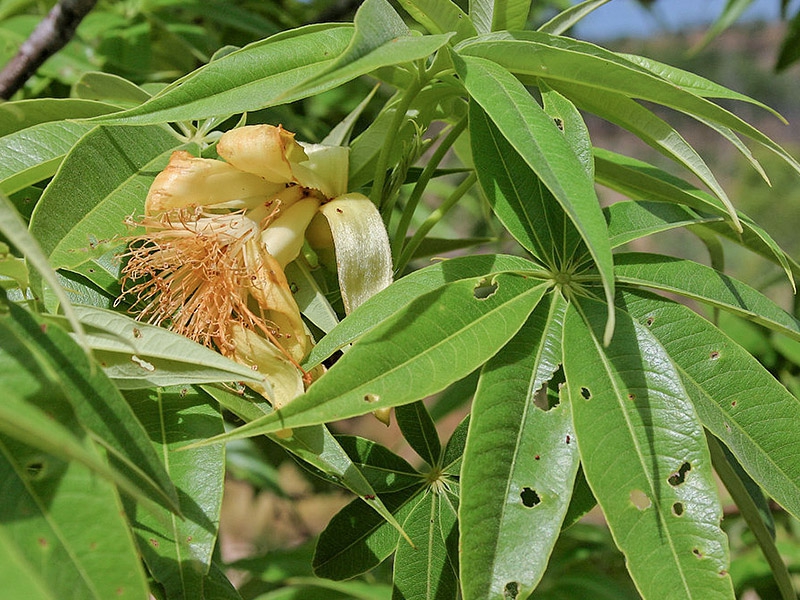
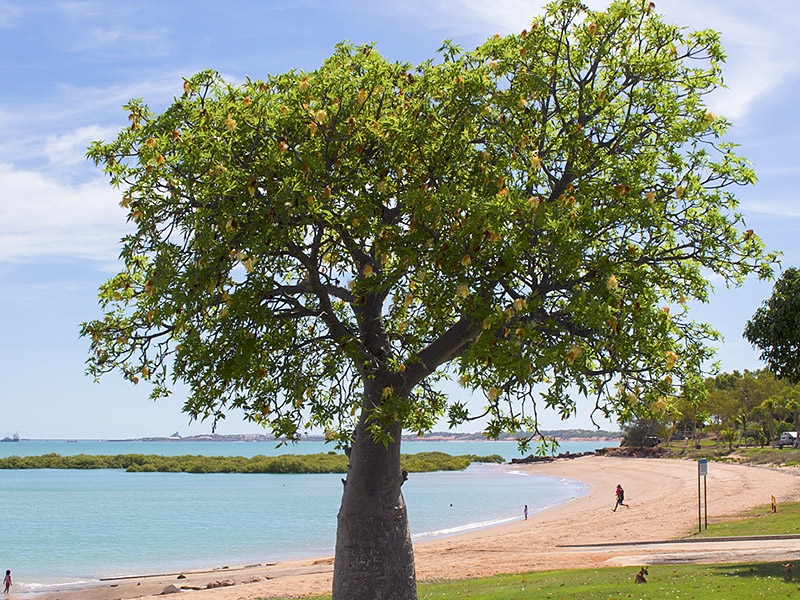
Growth Characteristics of Adansonia gregorii Adansonia gregorii is a species native to northwestern Australia and grows primarily in savanna climates. This tree possesses very large and thick trunks, with diameters reaching up to 10 meters. It typically grows to a height of 5 to 15 meters; it grows lush foliage during the wet season and sheds its leaves during the dry season. Its trunks, which have excellent storage capabilities, allow it to survive even under prolonged dry conditions. Propagation Methods In the wild, baobab trees primarily reproduce by seeds. When the tree matures, it bears large fruits containing numerous seeds. Since seeds do not germinate easily in dry conditions, it is recommended to soak them in water before germination to increase the germination rate. Cultivation Methods - Soil: It prefers well-drained sandy or gravelly soils. - Watering: While it generally prefers a dry environment, adequate watering is necessary during the initial stages. After watering, wait until the soil is completely dry before watering again. - Sunlight: It thrives in locations with plenty of sunlight. It is recommended to receive at least 6 hours of direct sunlight per day. - Temperature: It is suitable for tropical and subtropical climates; it is difficult to cultivate in cold regions by forcing it to match the climate of its natural habitat. Uses in Gardens Due to its unique form, the baobab tree is popular as an ornamental plant in gardens and parks. It is particularly suitable for gardens that can provide ample space, as it can grow into a large tree. It is important to plant it in a well-drained area, and it is better to plant it in a large plot of land from the start rather than in a small pot. Important Pests and Control Methods While baobab trees are relatively resistant to pests and diseases, some pests and diseases may occur. - Pests: Common insect pests include mites and aphids; biological control or appropriate insecticides can be used. - Diseases: Root rot caused by excessive moisture is a concern. To prevent this, grow the tree in well-drained soil and avoid overwatering. The baobab tree is a tree that can add special charm to a garden thanks to its unique appearance and resilience. Since it is relatively easy to care for if the right conditions are met, it is worth taking an interest in and growing.
Plant Type
Plant Family
Panya and
Height
5~15m
Spread
Colors
white
Bloom Period
June to November
Water Needs
Bad
Exposure
Sunny
Freezing Resistance
-5°C
baobab tree Kilima
Adansonia kilima
Grandidieri baobab tree
Adansonia grandidieri