English
한국어
English
Español
中文
हिंदी
Home
News
Community
Dictionary
English
한국어
English
Español
中文
हिंदी
View list
Mosidae
Adenophora remotiflora
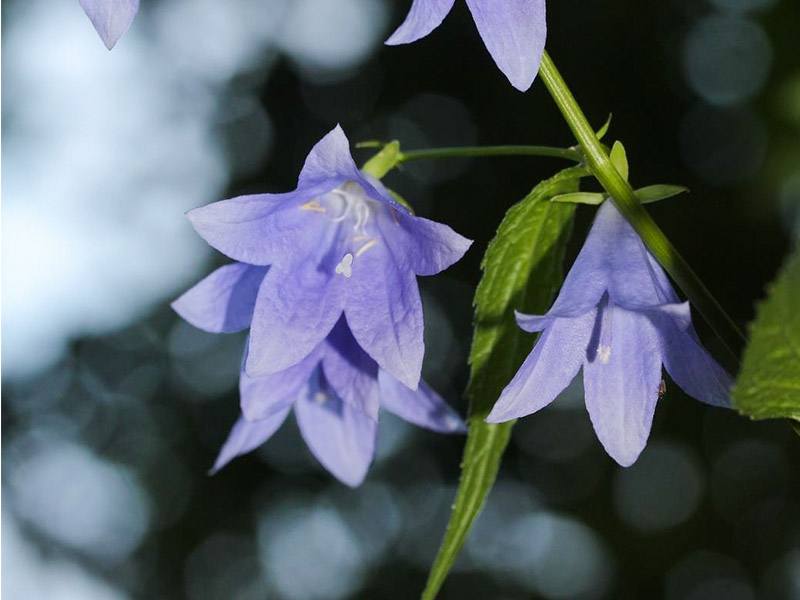
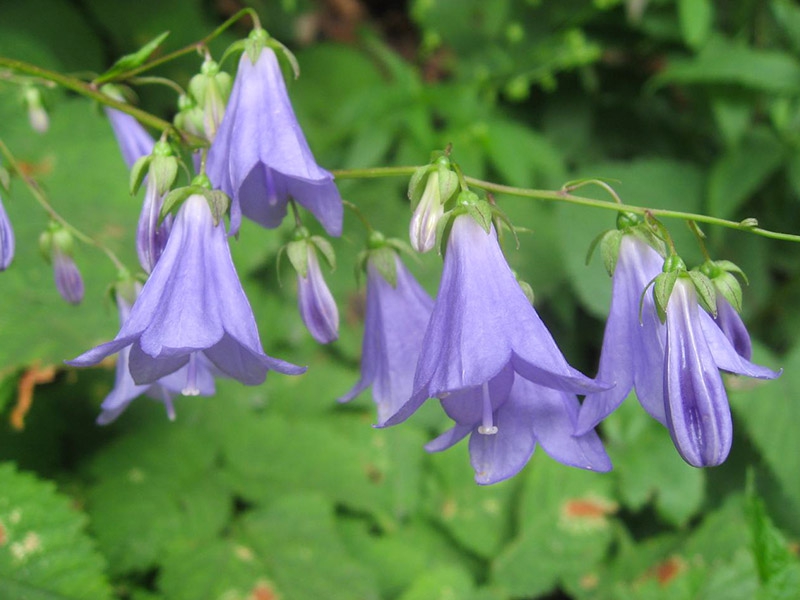
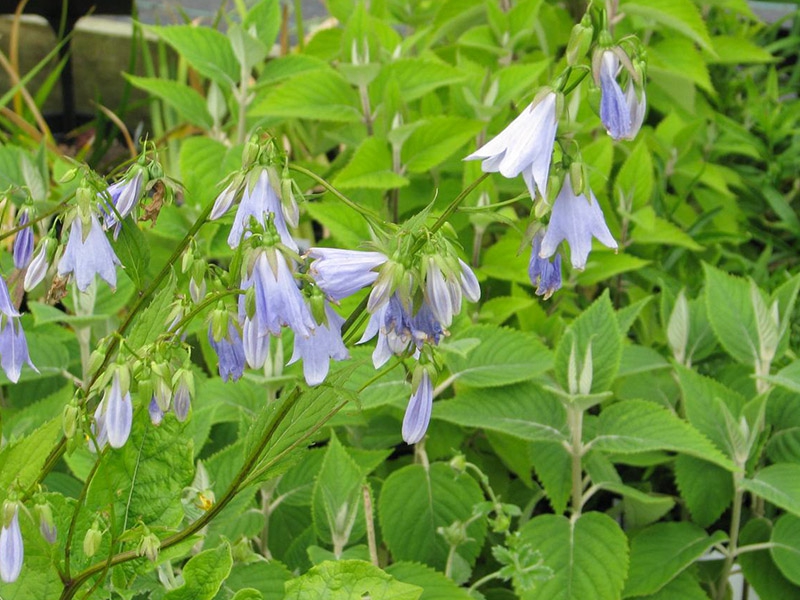
Adenophora remotiflora is a perennial herbaceous plant native to regions such as Korea and Japan, and is popular in gardens for its beautiful flowers and unique leaf shapes. The following explains the various characteristics and cultivation methods of Adenophora remotiflora. Growth CharacteristicsAdenophora remotiflora thrives in sunny locations and can grow without difficulty in partial shade. It prefers well-drained soil and can survive in relatively dry environments, although periodic watering is required. It typically grows to a height of 30 to 60 cm and blooms with blue or purple flowers from summer to autumn. Propagation MethodsIt can be propagated by seeds and root division. Seeds are sown in the spring, and it is important to maintain appropriate temperature and humidity until germination. Root division is performed in late winter or early spring; healthy roots are selected and divided for planting. Cultivation Methods - Location Selection: Choose a sunny or partial shaded location. 2. Soil Preparation: Prepare well-draining soil. Add organic matter as needed to enrich the soil. - Planting: Sow seeds or plant seedlings divided by root division. When planting, provide ample space around the plant to allow the roots to spread well. - Watering: Water regularly during the early growing season to prevent the soil from drying out. - Fertilization: Apply fertilizer again in the middle of the growing season to aid growth. Uses in the GardenAster remotiflora is highly suitable for ornamental gardening due to its beautiful colors and unique shape. Generally, planting it mixed with other flowers can enhance the landscape. It also attracts bees and butterflies, enriching the ecosystem. Important Pests and Control MethodsAster remotiflora is relatively resistant to pests and diseases, but there are a few things to be aware of. - Aphids: Can affect the leaves and flowers. They can be removed using soapy water or refined vegetable oils. - Snails and Slugs: They may gnaw on the leaves. To prevent this, you can install snail barriers or use attractants. - Fungal Diseases: These can occur during frequent rain or excessive watering. They can be prevented by ensuring regular ventilation and adjusting watering schedules. With proper care and attention, the Amur rhododendron can maintain its beauty for a long time.
Plant Type
Plant Family
Balloon flower family
Height
40~100cm
Spread
Colors
blue
Bloom Period
August~September
Water Needs
commonly
Exposure
semi-shaded area
Freezing Resistance
-30°C
Dangjandae
Adenophora stricta
Suwon bellflower
Adenophora polyantha