English
한국어
English
Español
中文
हिंदी
Home
News
Community
Dictionary
English
한국어
English
Español
中文
हिंदी
View list
large burdock
Xanthium orientale
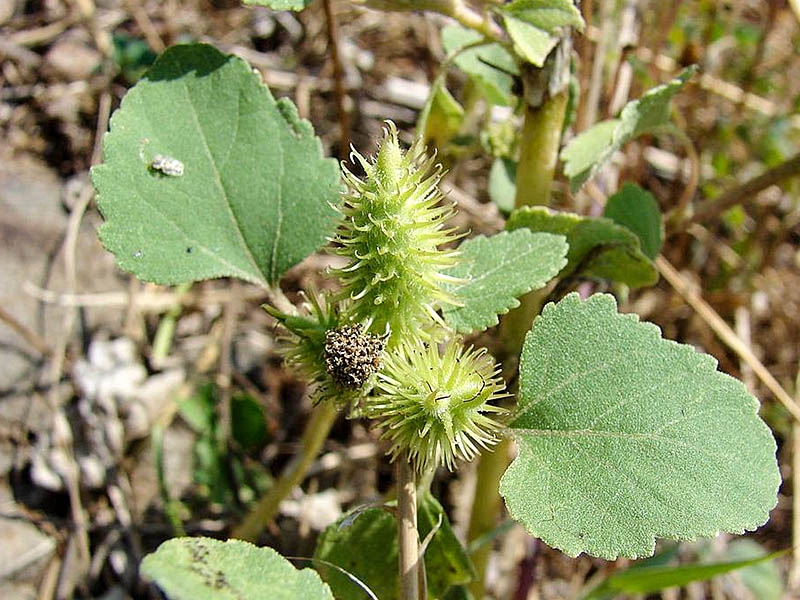
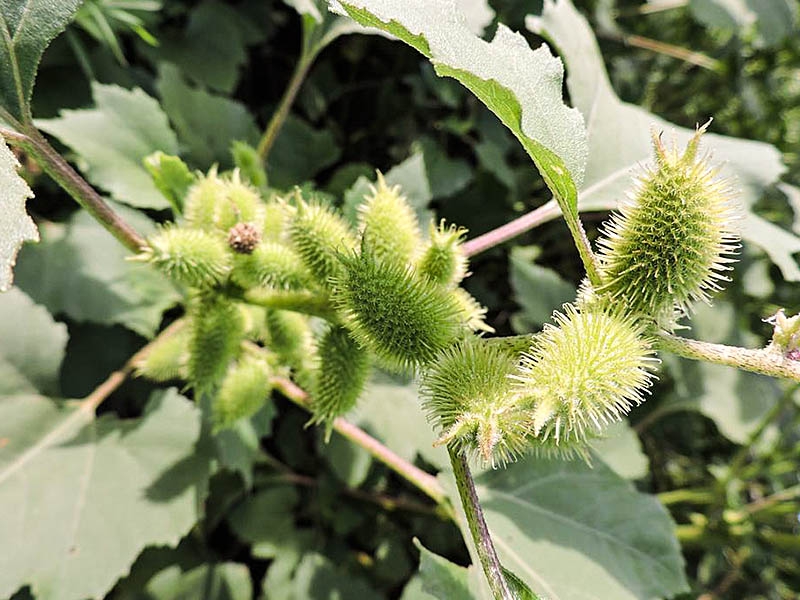
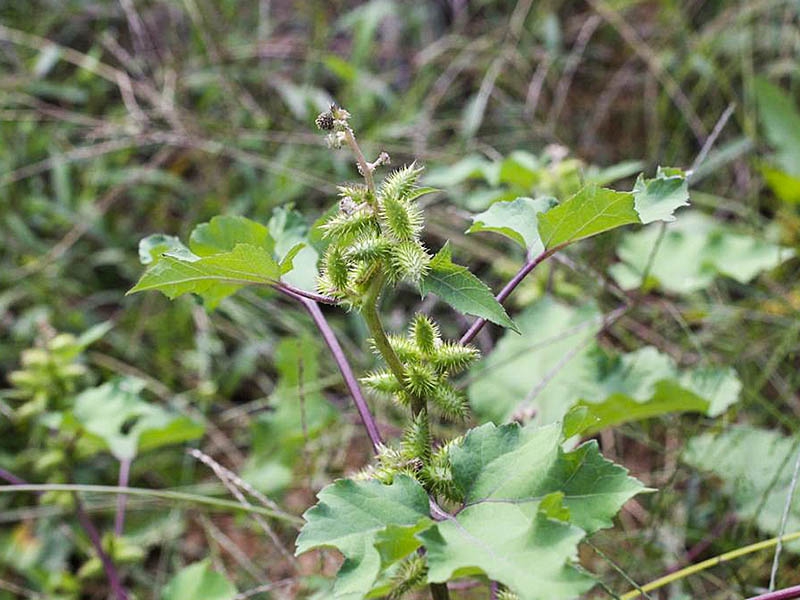
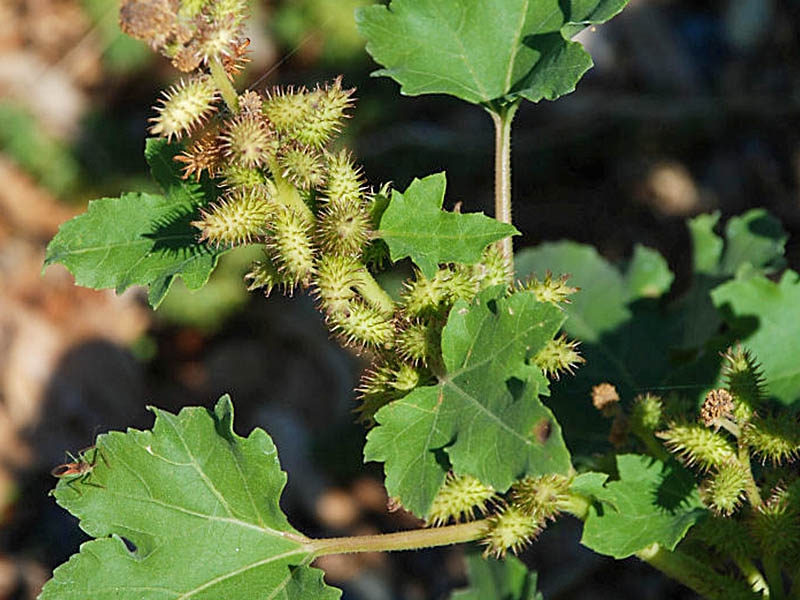
Xanthium orientale primarily possesses the following growth characteristics and propagation methods. Growth Characteristics Xanthium orientale is an annual plant belonging to the Asteraceae family, typically growing to a height of 50 to 120 cm. The stems are erect and tend to branch extensively, while the leaves are large, alternate, and broadly triangular or egg-shaped. This plant prefers sunlight and thrives in well-drained soil. Additionally, Xanthium orientale is relatively drought-tolerant and salt-tolerant, allowing it to survive in various environments. Propagation Methods Xanthium orientale is primarily propagated by seeds. The seeds are contained within a spore (a fruit with spines resembling goat horns) and mature in early autumn. Once the fruit ripens, it falls naturally; seeds that land on the ground germinate the following spring to grow into new plants. If artificial propagation is desired, it is recommended to plant the seedlings indoors in late winter or early spring and transplant them outdoors after the last frost has passed. Cultivation Methods When cultivating large burdock, it is important to select a sunny location and use well-draining soil. When planting seeds, sow them at a depth of 1 to 2 cm; once germinated, no special care is required unless there are specific concerns. However, care must be taken not to plant them too densely. Uses in the Garden Large burdock is primarily used as a landscape plant in gardens, and it is particularly well-suited for naturalistic gardens or wildflower gardens. Its flowers and fruits have unique shapes, adding visual interest. Important Pests and Diseases and Control Methods Large burdock is relatively resistant to pests and diseases, but the following issues should be noted: - Aphids: If aphids occur, they can be controlled by washing with water or using plant-based insecticides. - Diseases: Diseases caused mainly by fungi may occur; to prevent this, it is important to create a well-ventilated environment. Antimicrobial agents can be used if necessary. Although large burdock is an easy plant to care for, care must be taken to prevent it from spreading outside the garden, considering its potential impact on the ecosystem.
Plant Type
Plant Family
Asteraceae
Height
50~200cm
Spread
Colors
Green, yellow
Bloom Period
August~September
Water Needs
commonly
Exposure
Sunny
Freezing Resistance
-30°C
thorny burdock
Xanthium italicum
Xandoriza Simply Kissima
Xanthorhiza simplicissima