English
한국어
English
Español
中文
हिंदी
Home
News
Community
Dictionary
English
한국어
English
Español
中文
हिंदी
View list
Chrysanthemum zawadskii
Synurus palmatopinnatifidus
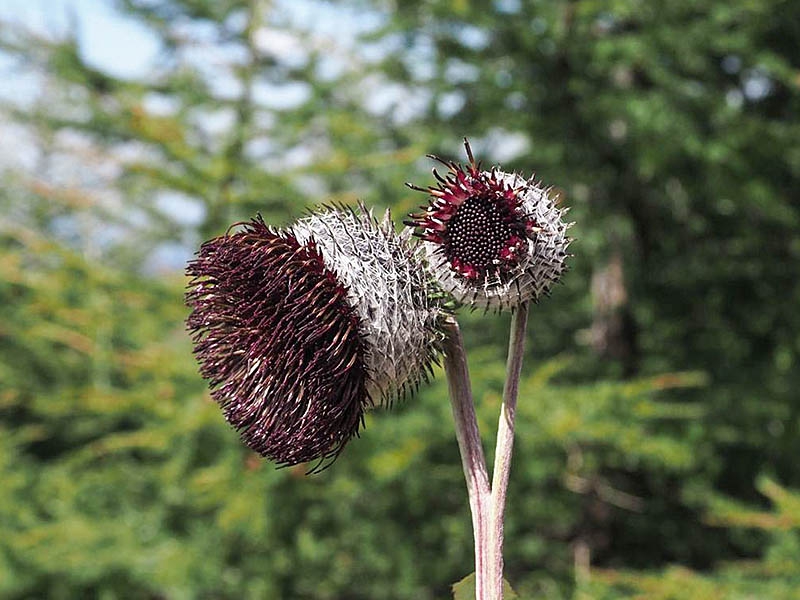
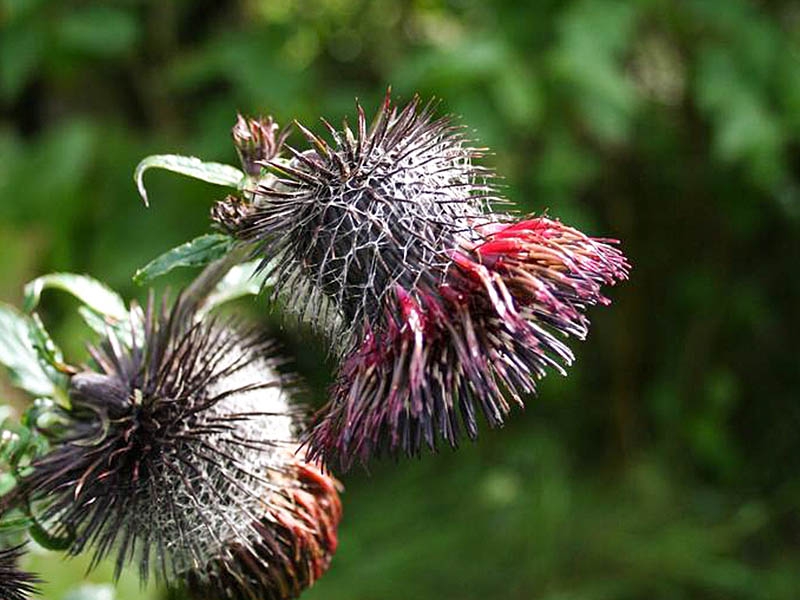
Synurus palmatopinnatifidus is a popular garden plant due to its unique leaf shape and beautiful flowers. The following is information regarding the plant's growth characteristics, propagation methods, cultivation methods, garden uses, and major pests and diseases, as well as control methods. - Growth Characteristics: - Synurus palmatopinnatifidus is a perennial plant that sprouts new shoots every spring and blooms between summer and autumn. - It grows to a height of approximately 30 to 60 cm, and its leaves are deeply lobed and palm-shaped. - It thrives in partial shade and prefers well-drained soil. - Propagation Methods: - Seed propagation and division are common methods. - Seeds are sown in the spring; pre-freezing treatment (promoting germination through low-temperature treatment) is effective for increasing the germination rate. - Division involves separating the plant in the spring or autumn and replanting it; this is performed every 2 to 3 years. 3. Cultivation Methods: - Proper soil management, watering, and weed removal are important. - The planting site should be in a location that receives moderate sunlight, and strong direct sunlight should be avoided. - Transplanting requires caution as the roots are thin and easily damaged; spring or autumn are the optimal seasons. - Uses in the Garden: - As a colony-forming plant, Chrysanthemum indicum is suitable for ground cover or border decoration. - It is mainly suited for natural-style gardens or wildflower gardens and is effective for decorating semi-shaded corners. - Major Pests and Diseases and Control Methods: - Chrysanthemum indicum is relatively resistant to pests and diseases, but root rot may occur in overly wet environments. - To prevent root rot, attention must be paid to drainage, and fungicides can be used if necessary. - Pests such as aphids or snails may occur; if they appear, appropriate insecticides or control using natural enemies can be considered. By referring to this information and properly caring for Chrysanthemum palmatopinna typhidus, you will be able to maintain a healthy and beautiful plant.
Plant Type
Plant Family
Asteraceae
Height
70∼100cm
Spread
Colors
amethyst
Bloom Period
September to October
Water Needs
commonly
Exposure
semi-shaded area
Freezing Resistance
-10°C
Korean sedge
Synurus deltoides
Spiraea
Syringa villosa subsp. wolfii