English
한국어
English
Español
中文
हिंदी
Home
News
Community
Dictionary
English
한국어
English
Español
中文
हिंदी
View list
Airangis Biloba
Aerangis biloba
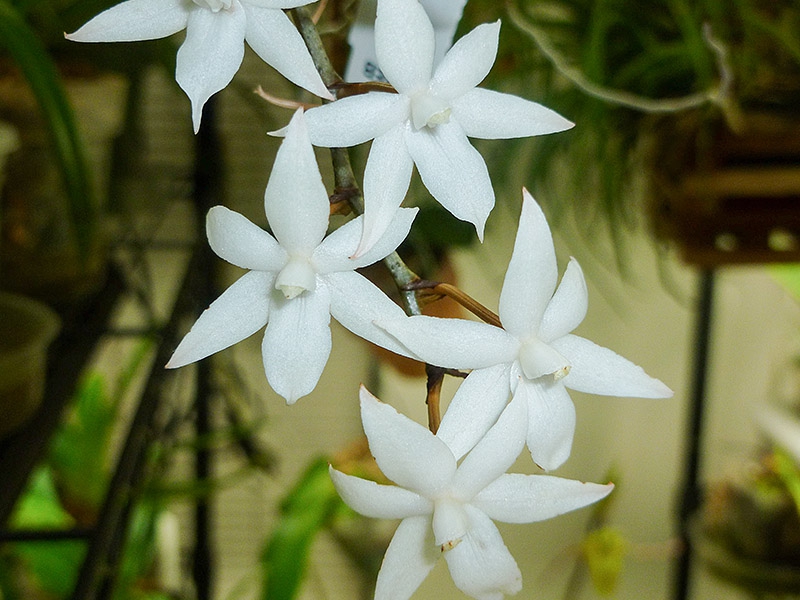
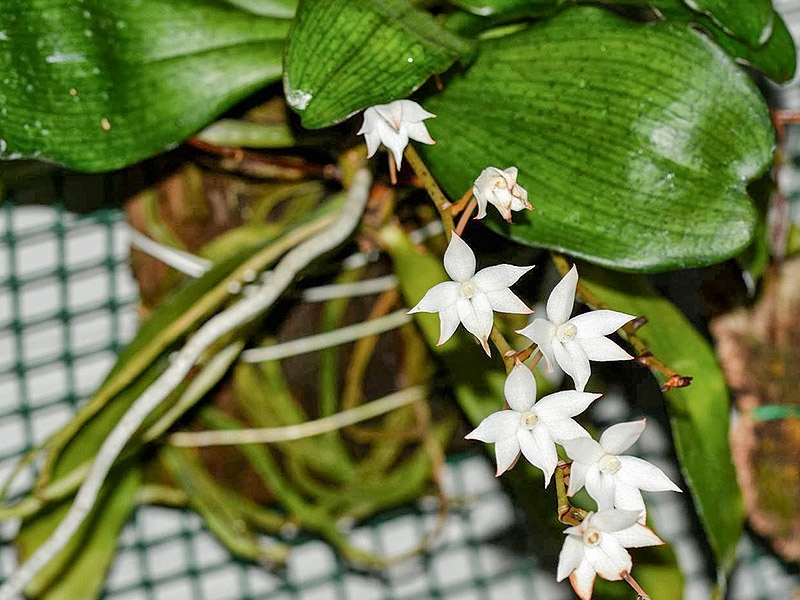
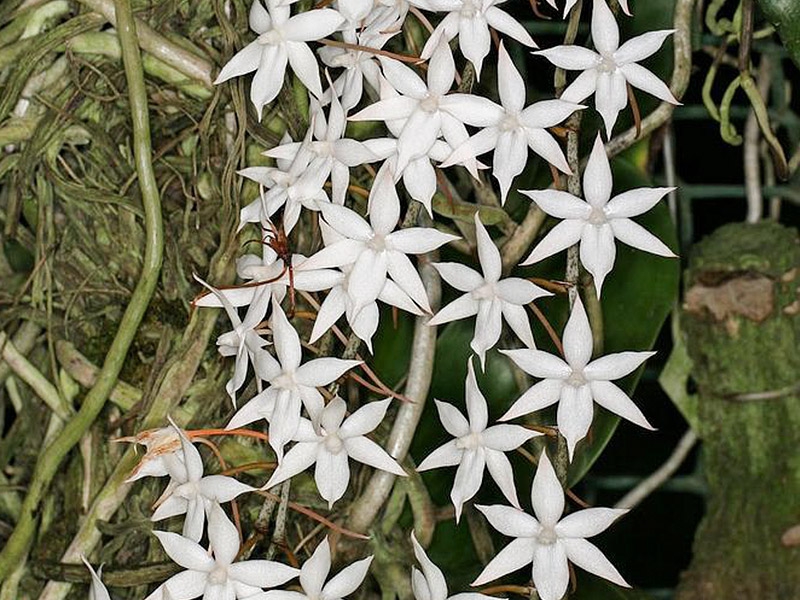
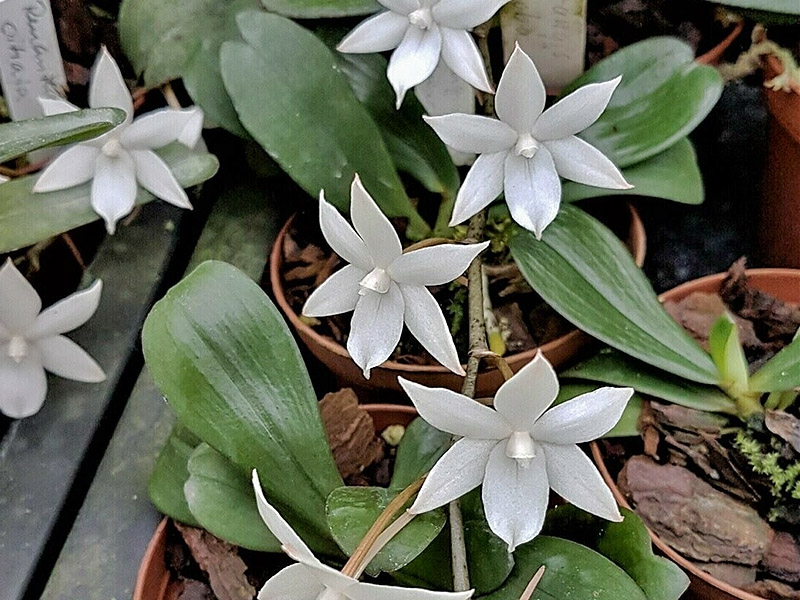
Growth Characteristics Biloba Aerangis biloba is a plant belonging to the Orchidaceae family and is native primarily to the tropical regions of Africa. It is an epiphytic plant that grows attached to trees and prefers bright, indirect light. It thrives in humid environments and enjoys good air circulation. Propagation Methods Biloba can be propagated mainly through seeds or division. Since seed propagation takes a long time and requires careful initial care, division is the preferred method. When dividing, care must be taken not to damage the roots, and it is important to separate from healthy specimens. Cultivation Methods - Lighting: Grow in a well-lit location, but avoid direct sunlight. - Temperature: The optimal temperature is 20-25°C during the day and 15-18°C at night. - Humidity: It is recommended to maintain a relative humidity of 50-70%. - Watering: Water regularly to prevent the roots from drying out, and check the condition of the roots frequently. 5. Fertilizer: It is recommended to use fertilizer specifically designed for orchids regularly. Use in the Garden BilobaBiloba is primarily cultivated in greenhouses or indoor environments and is used to appreciate its colorful flowers. Due to its small size, it does not take up much space, making it suitable for decorating indoor gardens. Important Pests and Diseases & Control Methods - Diseases: Fungal diseases and root rot may occur. To prevent this, ensure good ventilation and avoid excessive moisture. - Pests: Aphids and scale insects may appear. These pests must be removed early to prevent their spread. Inspect the plant frequently, and if a colony is found, wash it immediately or use an appropriate insecticide. It is important to faithfully follow the basic principles of care, observe the plant's condition periodically, and take timely action.
Plant Type
Plant Family
Orchid family
Height
40cm
Spread
Colors
white
Bloom Period
August to October
Water Needs
commonly
Exposure
semi-shaded area
Freezing Resistance
-5°C
Irides Odorata
Aerides odorata
Phalaenopsis
Phalaenopsis japonica