English
한국어
English
Español
中文
हिंदी
Home
News
Community
Dictionary
English
한국어
English
Español
中文
हिंदी
View list
Horse chestnut tree
Aesculus turbinata
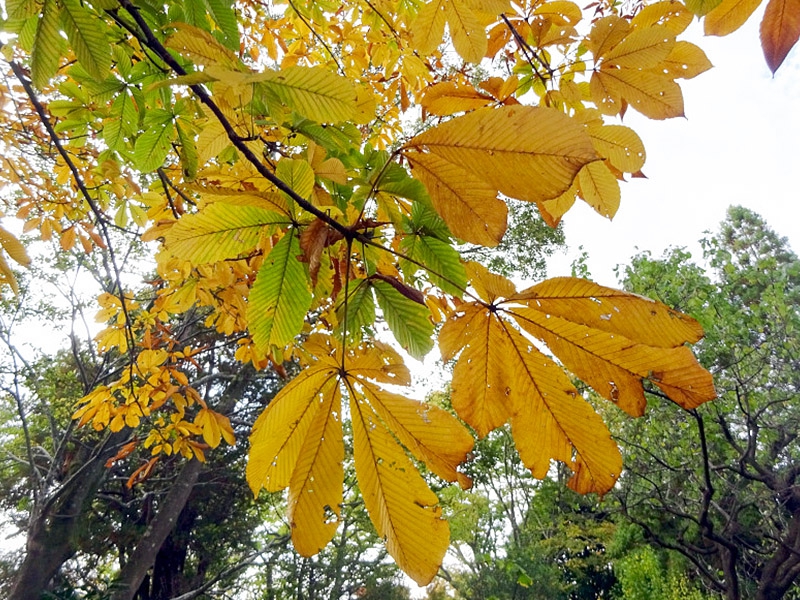
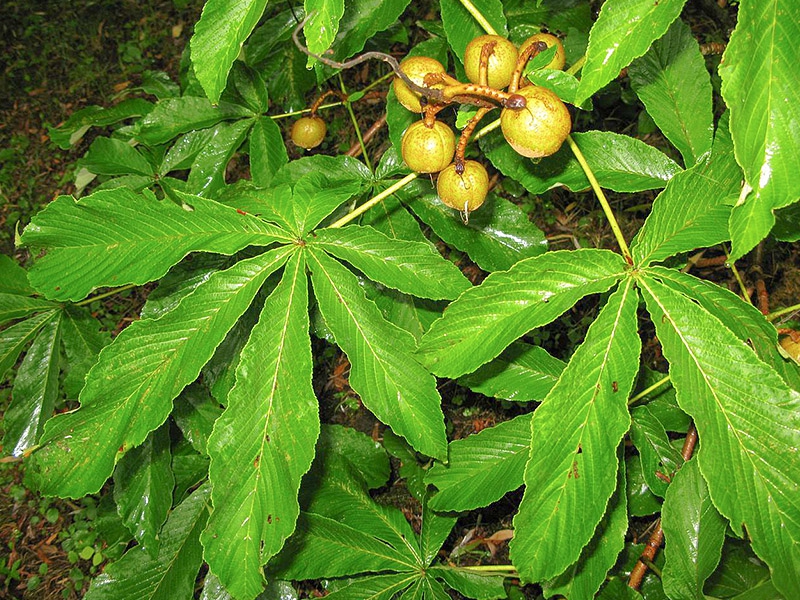
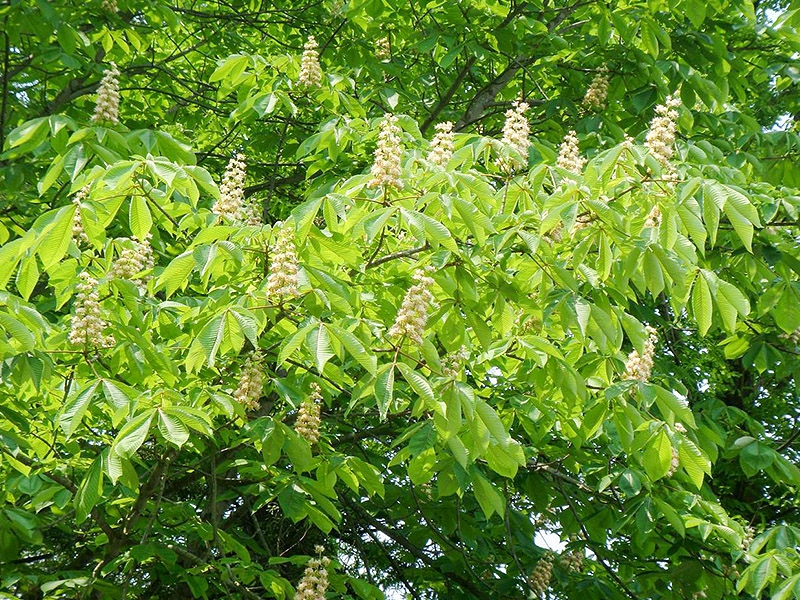
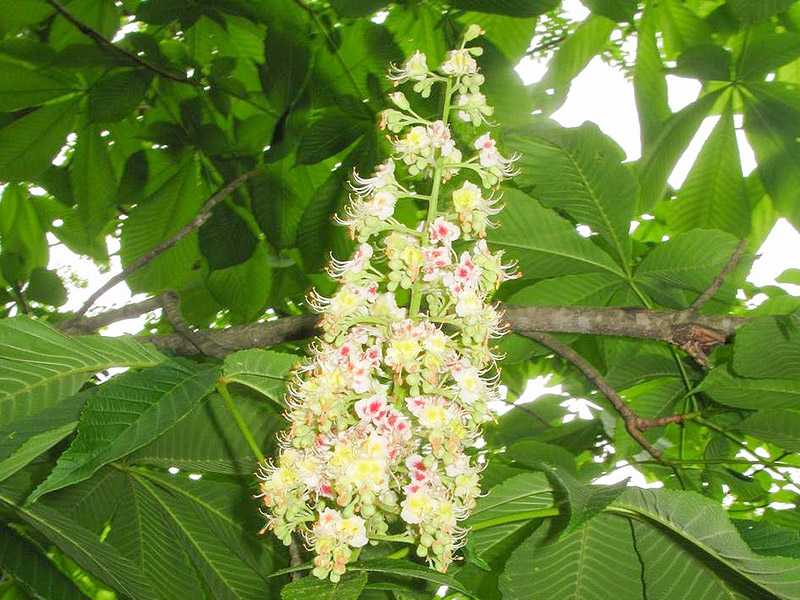
Horse chestnut turbinata is a deciduous tree native to East Asia, including Korea. It possesses the following characteristics regarding growth, propagation, cultivation, garden uses, major pests and diseases, and control methods. - Growth Characteristics: - Horse chestnut turbinata primarily grows deep in the mountains or near water, requiring high humidity and a moderate amount of sunlight. - Mature trees typically grow up to 20 to 30 meters tall. They feature broad, round leaves and bloom with fairly large white flowers in the spring. - Propagation Methods: - It is mainly propagated by seeds; mature seeds are collected in the autumn and sown. - To increase germination rates in the spring, seeds can be stored in a refrigerator during the winter and sown in early spring. - Cultivation Methods: - It thrives in well-drained soil and exhibits healthier growth in partial shade rather than excessive direct sunlight. - While sufficient watering is required in the early stages, the tree is relatively resistant to drought once it matures. - Use in the Garden: - As a large tree with a beautiful shape, it provides shade in the garden and is widely used as a landscaping tree. - In autumn, the fruit and fall foliage provide an attractive landscape. - Major Pests and Control Methods: - The main disease is leaf blight, which can be prevented by creating an environment with good ventilation and airflow. - Pests include butterfly larvae; upon early detection, they can be removed by hand or treated with appropriate insecticides. - Regular pruning and maintaining a clean surrounding environment help prevent pests and diseases. Horse Chestnut (Aesculus turbinata) is a tree that can maintain a healthy and beautiful appearance for a long time if properly cared for.
Plant Type
Plant Family
Horse chestnut family
Height
20~30cm
Spread
Colors
white
Bloom Period
June
Water Needs
commonly
Exposure
Sunny
Freezing Resistance
-20°C
Aeschynomene Fluitans
Aeschynomene fluitans
Pale yellow horse chestnut 'Erythroblastos'
Aesculus × neglecta 'Erythroblastos'