English
한국어
English
Español
中文
हिंदी
Home
News
Community
Dictionary
English
한국어
English
Español
中文
हिंदी
View list
Pale yellow horse chestnut 'Erythroblastos'
Aesculus
×
neglect
'Erythroblastos'
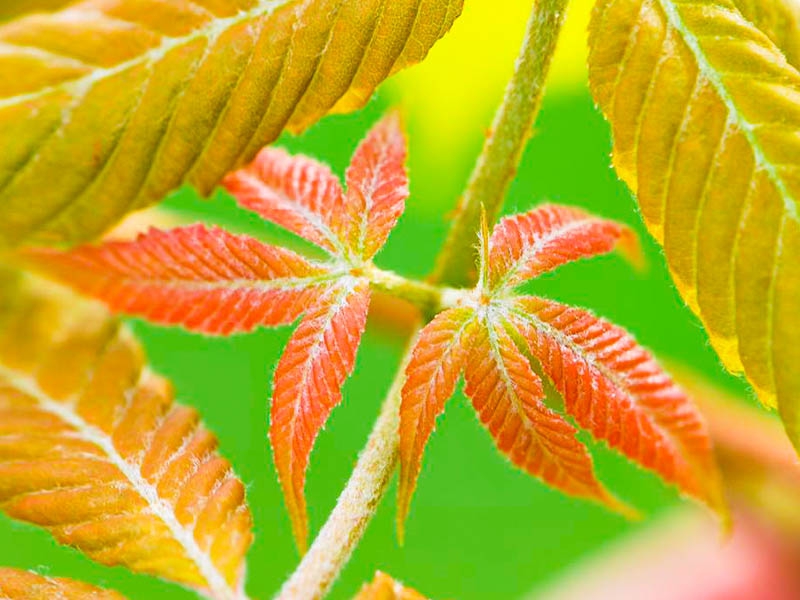
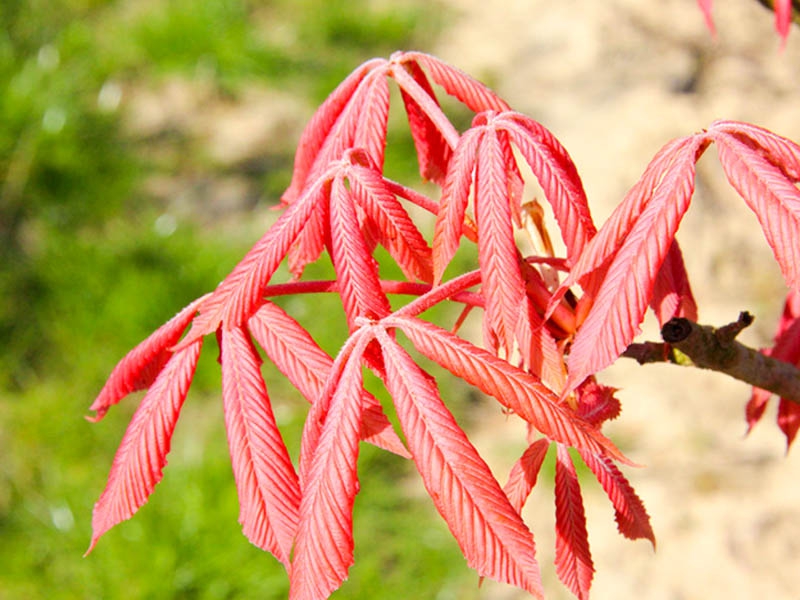
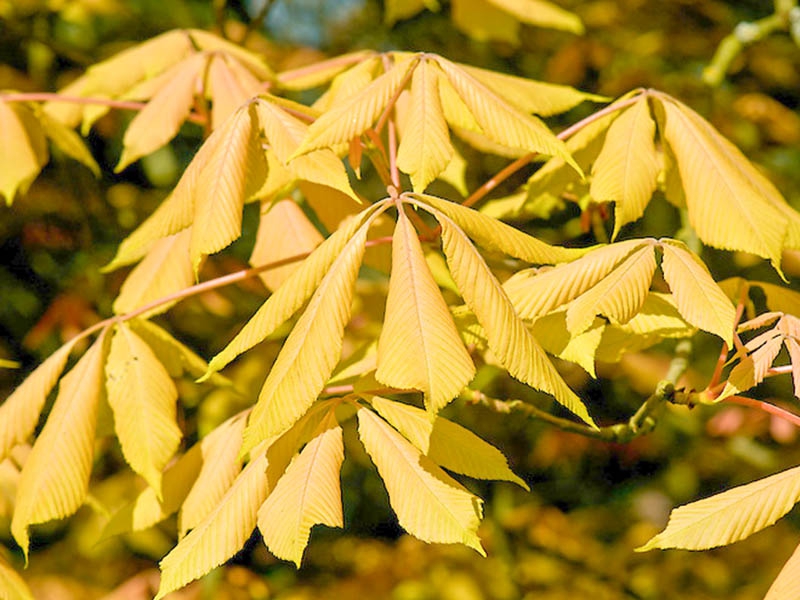
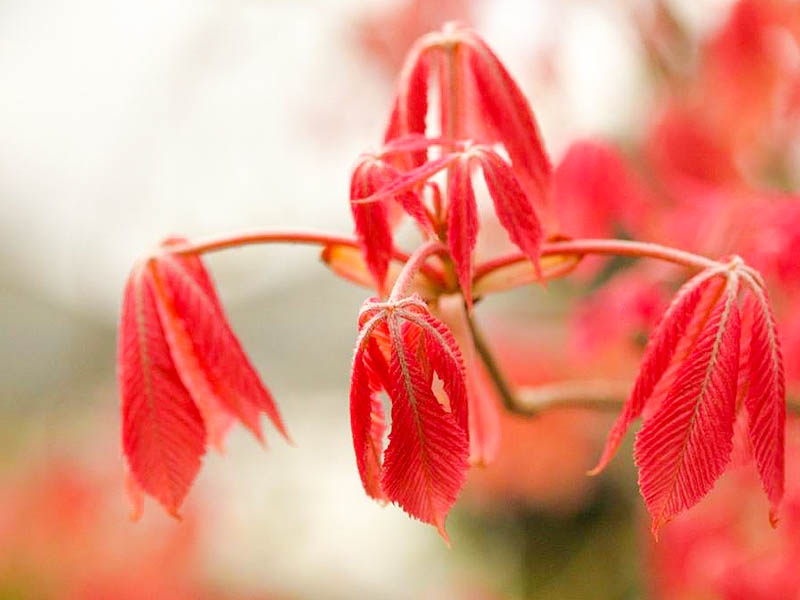
The pale yellow horse chestnut tree 'Erythroblastos' (Aesculus × neglecta 'Erythroblastos') is a tree characterized by its distinctive pale yellow new leaves. The following provides information on the main characteristics and cultivation of this plant. - Growth Characteristics: - Leaves: They emerge in pale yellow in the spring and gradually turn green. - Size: Mature trees grow to a height of approximately 10–15 meters. - Flowering: White flowers bloom profusely, mainly in May, and are arranged in a conical inflorescence. - Propagation Methods: - Propagation is primarily by seed. Mature seeds are collected in the autumn, stored indoors during the winter, and sown in the spring. - Cuttings and grafting are also possible, but seed propagation is more common. - Cultivation Methods: - Soil: It prefers fertile, well-drained soil. Soil with a pH of slightly acidic to neutral is suitable. - Sunlight: It thrives in sunny locations but can also adapt to partial shade. - Watering: Avoid overwatering; it is important to provide sufficient water, especially during the initial planting stage. - Use in Gardens: - Due to its large size and majestic appearance, it is suitable as a centerpiece in urban parks or large-scale gardens. - It has high landscape value due to its eye-catching, colorful leaves and flowers in the spring. - Major Pests and Diseases & Control Methods: - Aphids: They suck sap from the leaves, which can hinder growth; they can be controlled using soap solution or commercial insecticides. - Leaf Blight: Brown spots may appear on the leaves under hot and humid conditions. This can be prevented by ensuring proper ventilation and improving drainage; in severe cases, antimicrobial agents can be used. - It is important to observe the tree regularly to detect and control pests and diseases at an early stage. By following these characteristics and management methods, you can grow the pale yellow horse chestnut 'Erythroblastos' healthily.
Plant Type
Plant Family
Sapindaceae
Height
12~15m
Spread
12~15m
Colors
red
Bloom Period
May to August
Water Needs
commonly
Exposure
Sunny
Freezing Resistance
-30°C
Horse chestnut tree
Aesculus turbinata
Red-flowered horse chestnut 'Brioti'
Aesculus × carnea 'Briotii'