English
한국어
English
Español
中文
हिंदी
Home
News
Community
Dictionary
English
한국어
English
Español
中文
हिंदी
View list
lilac
Syringa vulgaris
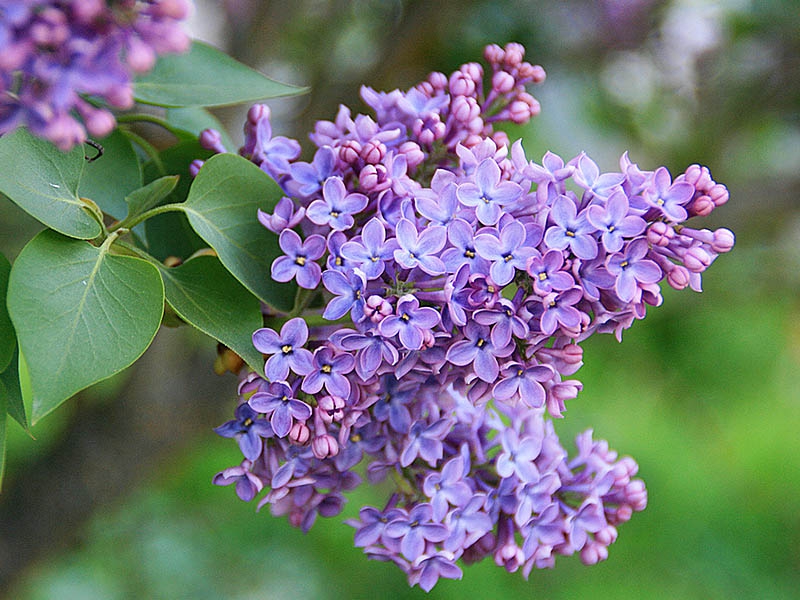
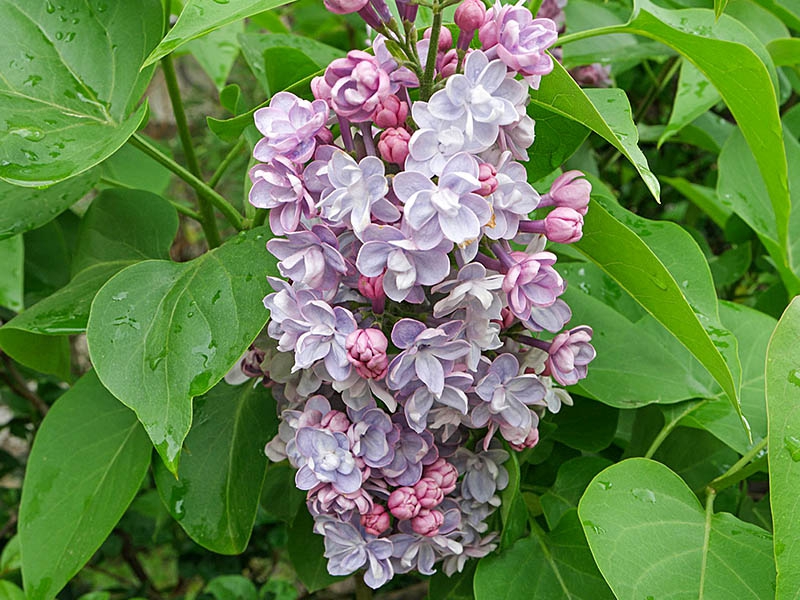
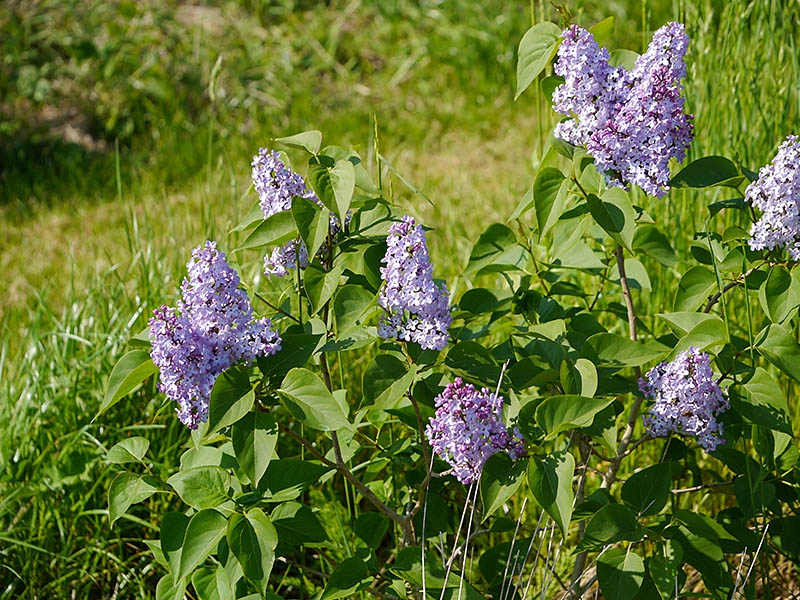
Syringa vulgaris has the following growth characteristics and cultivation methods. ## Growth Characteristics Syringa vulgaris is a deciduous shrub belonging to the Lamiales order, famous for blooming beautiful flowers primarily in the spring. This plant has a strong fragrance and generally grows to a height of 2 to 5 meters. It prefers sunny locations and thrives best in well-drained soil. It is highly cold-hardy and can withstand cold winters. ## Propagation Methods Syringa vulgaris can be propagated by seeds or cuttings. Cuttings are best taken in spring or early summer; new roots will grow if you cut a leafless stem and place it in water or plant it in the ground. Branching (splitting the clump) can also be used, and in this case, it is appropriate to perform it in early spring. ## Cultivation Methods Since lilacs require a lot of sunlight, it is recommended to plant them in a sunny location. The plant prefers a neutral to slightly alkaline soil pH and thrives in well-drained soil. Water thoroughly during the growing season, but avoid overwatering. During dry periods, provide supplemental watering, always ensuring good drainage. Pruning after the flowers have faded can promote healthier growth. ## Use in the Garden Lilac vulgaris is widely used as a landscaping plant, either planted alone or alongside other shrubs. It is excellent for planting as a hedge or boundary plant, and is also a superb ornamental plant, offering the pleasure of vibrant flowers in the spring. ## Major Pests and Control Methods Major pests include aphids, spider mites, and moths. Aphids can cause leaf discoloration and inhibit growth, so control them using calcium soap water or appropriate insecticides. Spider mites often inhabit the undersides of leaves, so regular watering or the use of specialized insecticides is recommended. Red spot disease can leave red spots on the leaves; in this case, remove the diseased leaves and control the condition using an appropriate fungicide. For an environmentally safe approach, it is important to prevent pests and diseases by maintaining the natural ecosystem along with using eco-friendly pesticides.
Plant Type
Plant Family
Oleaceae
Height
5m
Spread
Colors
white, purple
Bloom Period
April~May
Water Needs
commonly
Exposure
Sunny
Freezing Resistance
-40°C
Spiraea
Syringa villosa subsp. wolfii
Korean dogwood
Syringa reticulata var. amurensis