English
한국어
English
Español
中文
हिंदी
Home
News
Community
Dictionary
English
한국어
English
Español
中文
हिंदी
View list
Horse chestnut tree
Aesculus parviflora
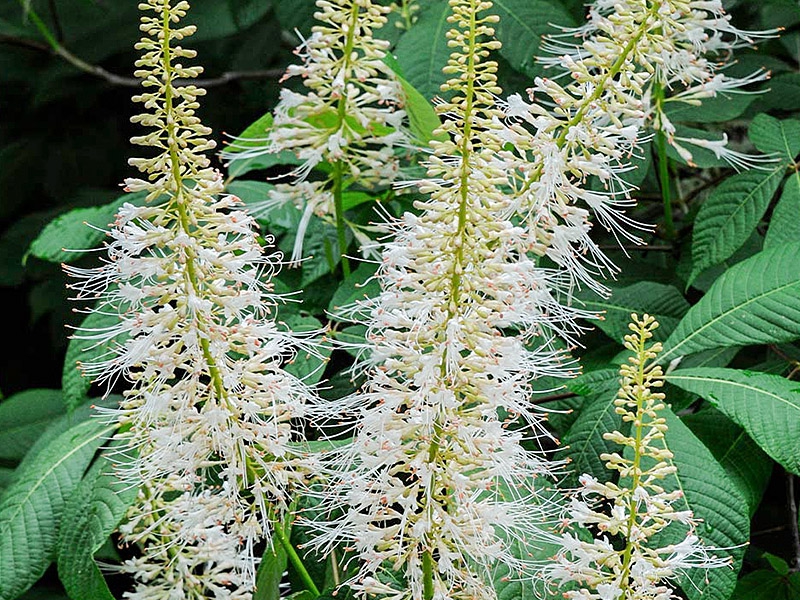
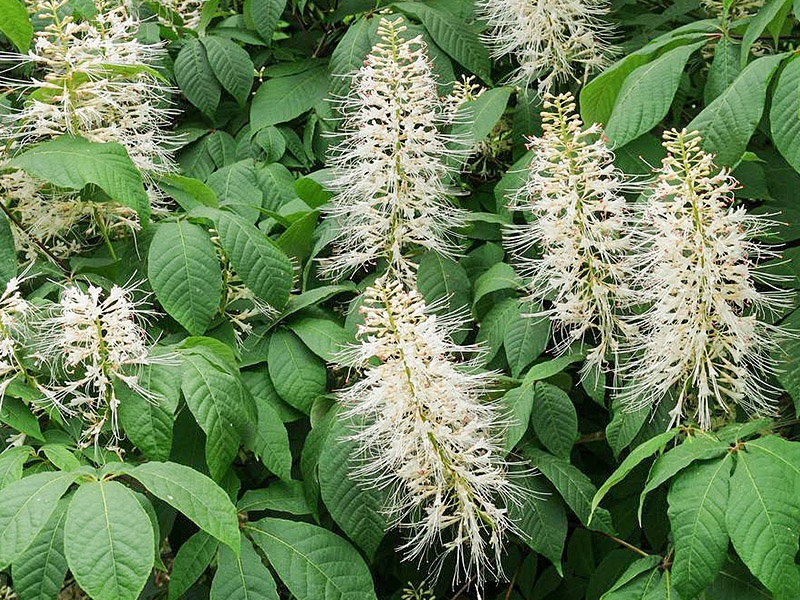
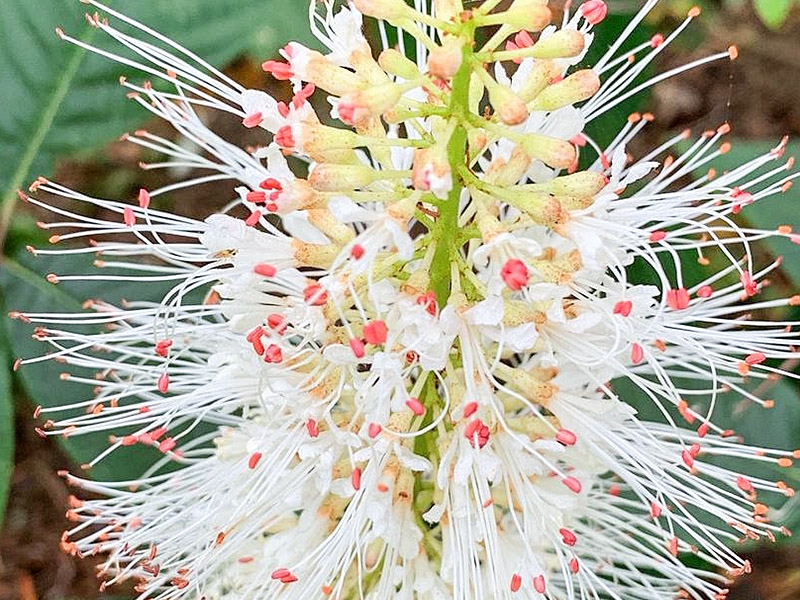
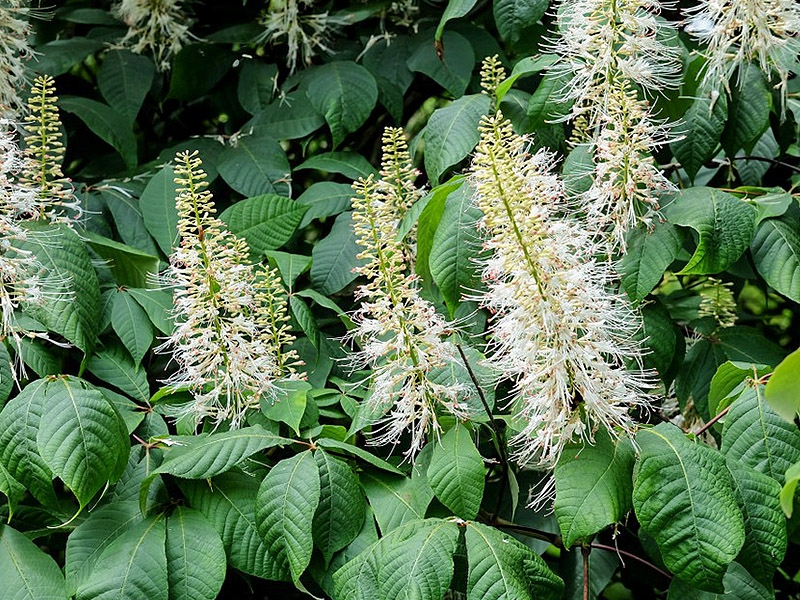
Horse chestnut (Aesculus parviflora) is an attractive shrub with the following characteristics: Growth Characteristics - Growing Environment: It prefers partial shade to full sun environments and thrives in well-drained soil. - Size: It generally grows to a height of 3 to 4 meters and spreads widely to a width of 3 to 5 meters. - Flowers: Small white flowers bloom in the summer; the inflorescence is long and bottle-brush shaped. - Leaves: It has palm-shaped compound leaves with several small leaflets. Propagation Methods - Seed Propagation: Collect seeds from mature fruit and sow them. It is best to sow seeds immediately after they mature, or they can be refrigerated during the winter and sown in the spring. - Cutting Propagation: It can be propagated by taking semi-hardwood cuttings in the summer. Select clean and healthy cuttings and plant them in the propagation medium. Cultivation Methods - Water Management: Ensure good drainage and cultivate in a well-drained location. Provide sufficient water during dry periods. - Soil Management: It prefers acidic to slightly acidic soil. Prepare soil rich in organic matter. - Pruning: Remove diseased or damaged branches, and prune in winter or early spring to maintain its shape. Uses in the Garden - Border Plant: Its spreading nature allows it to be used as a border plant. - Ornamental: It is popular as an ornamental plant due to its showy summer flowers and beautiful autumn leaf colors. - Natural Garden: It blends well with a natural garden style. Important Pests and Control Methods - Pests and Diseases: It is generally resistant to pests and diseases, but fungal diseases such as leaf blight or various pests may occasionally occur. - Control Methods: - Prevention: Focus on preventing diseases by managing proper drainage and ensuring good air circulation. - Chemicals: If problems arise, use standard pesticides (fungicides or insecticides). For eco-friendly control, consider using appropriate natural enemies or harvesting by hand. Horse chestnut (Aesculus falviflora) is a beautiful tree that offers diverse landscapes and blends harmoniously with other plants. With regular care and a suitable environment, it will grow healthily.
Plant Type
Plant Family
Sapindaceae
Height
2.4~3.6m
Spread
2.4~4.5m
Colors
white
Bloom Period
June~July
Water Needs
commonly
Exposure
semi-shaded area
Freezing Resistance
-30°C
California horse chestnut
Aesculus californica
Horse chestnut
Aesculus hippocastanum