English
한국어
English
Español
中文
हिंदी
Home
News
Community
Dictionary
English
한국어
English
Español
中文
हिंदी
View list
Horse chestnut
Aesculus hippocastanum
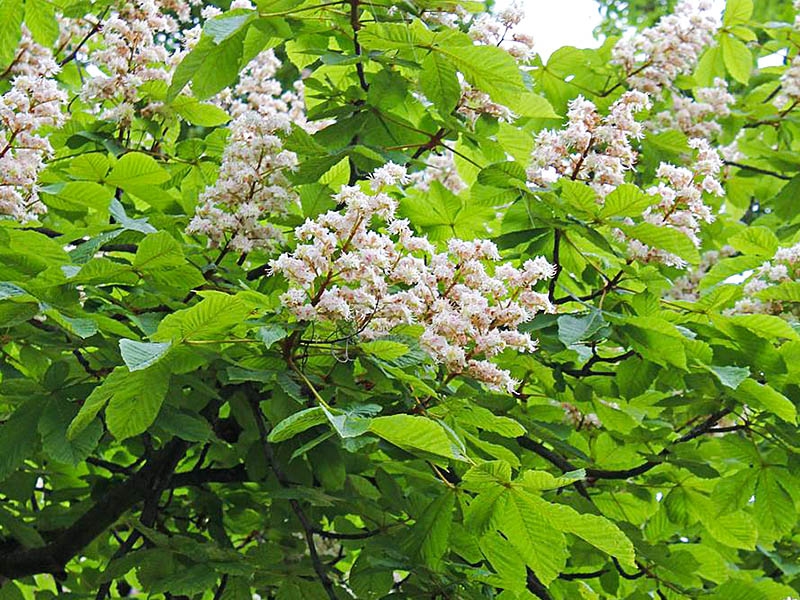
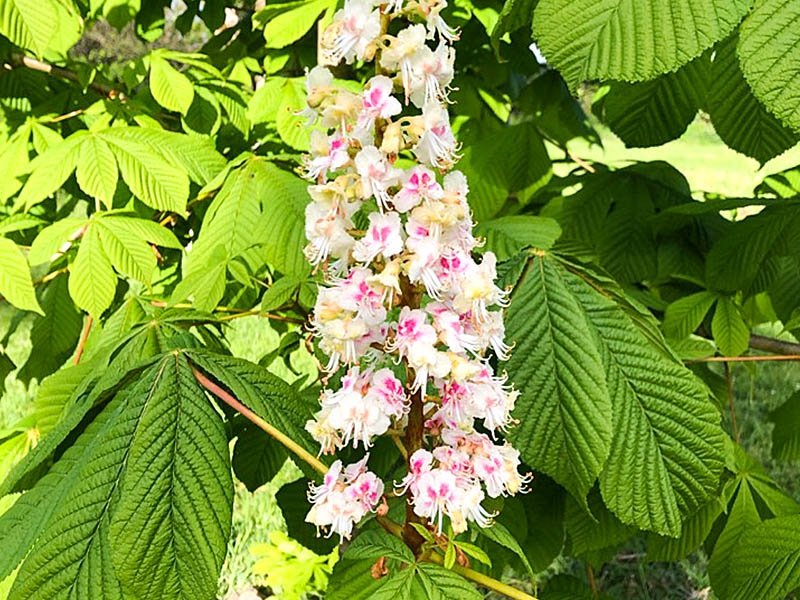
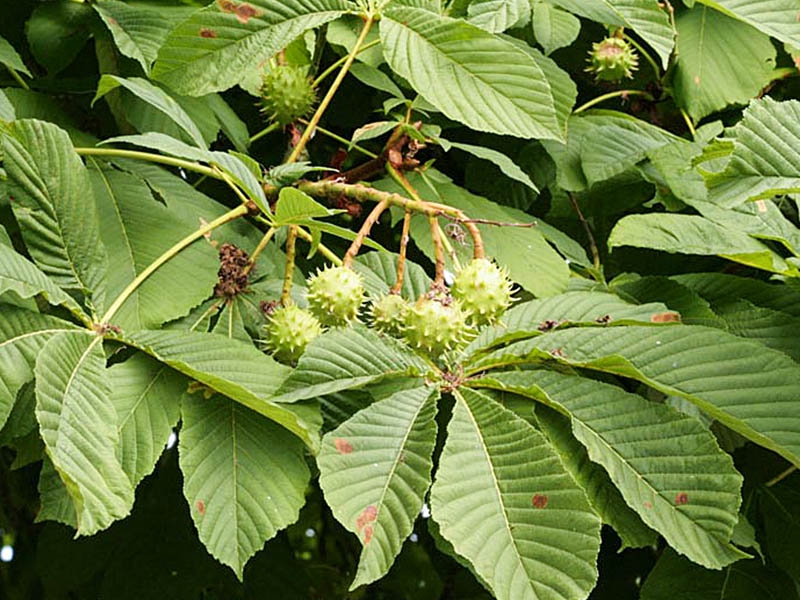
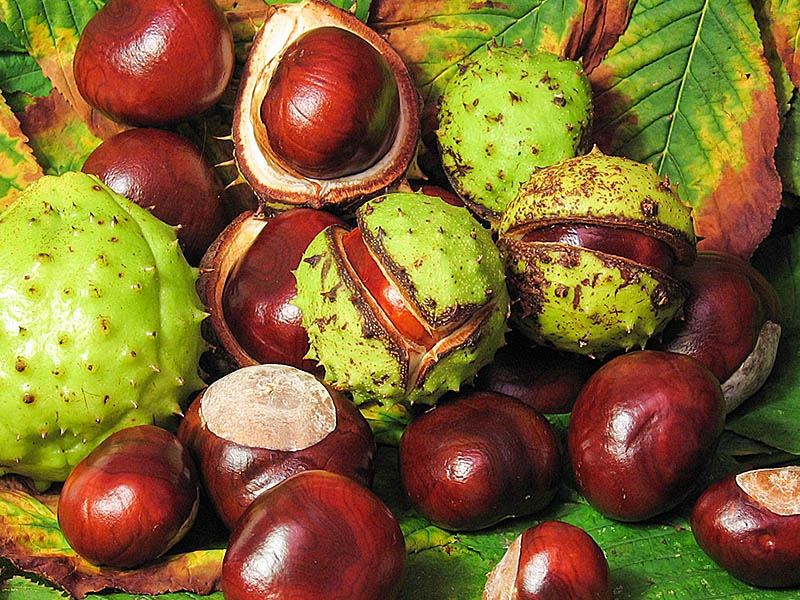
Horse chestnut (Aesculus hippocastanum) is a deciduous tall tree, also commonly known as 'Marronnier'. This plant is native to Europe. Growth Characteristics - Height: Mature trees grow up to 20–30 meters. - Leaves: Palm-shaped compound leaves composed of 5–7 leaflets. - Flowers: White or pink flowers bloom from May to July and are located in long conical inflorescences. - Fruit: The large, walnut-shaped fruit is surrounded by a spiny shell and ripens in the autumn. Propagation Methods - Seeds: In the wild, it reproduces by seeds. Seeds fall to the ground in the autumn and germinate after overwintering. - Transplanting: Young trees can also be propagated by cuttings or grafting. Cultivation Methods - Soil: It thrives in fertile, well-drained soil. It is recommended to maintain an appropriate acidity level (pH 6.0–7.0). - Sunlight: It thrives in locations with ample sunlight and can tolerate partial shade. - Watering: Water regularly during dry periods. Special attention should be paid to water supply for young trees. Uses in the Garden - Ornamental: Due to its large size and beautiful flowers, it is popular as an ornamental plant in gardens and parks. - Provides Shade: Its broad leaves provide good shade. Important Pests and Control Methods - Leaf Blight: Caused by fungi, it causes brown spots on the leaves. To minimize this problem, ensure good ventilation and remove infected leaves. - Moth Larvae: The larvae of this moth can cause damage by gnawing on the leaves. In some cases, appropriate insecticides can be used for control. - Fungal Diseases: These can occur due to excessive moisture and lack of ventilation. Manage the plant well and use fungicides if necessary. The horse chestnut tree is relatively easy to care for, but periodic maintenance is required to prevent pests and diseases. Considering these characteristics, it can be effectively utilized in the garden.
Plant Type
Plant Family
Sapindaceae
Height
15~27m
Spread
12~18m
Colors
white, pink
Bloom Period
April to August
Water Needs
commonly
Exposure
Sunny
Freezing Resistance
-30°C
Horse chestnut tree
Aesculus parviflora
Horse chestnut
Aesculus flava